
Main Courses
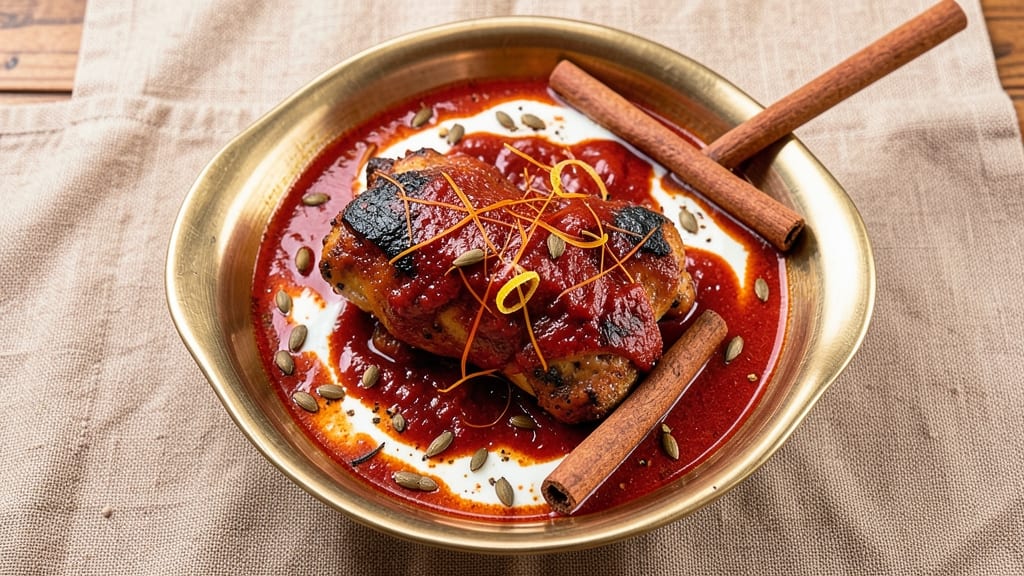
This authentic Kashmiri chicken curry transforms simple ingredients into a symphony of slow-simmered spices and yogurt-marinated tenderness. The secret lies in carefully blooming whole spices—fennel, cinnamon, and cardamom—before gently cooking the chicken in a rich, aromatic gravy.
I've perfected this recipe over years of testing, balancing traditional techniques with modern convenience for home cooks.
The yogurt marinade is non-negotiable—it keeps the chicken moist while absorbing the complex flavors of Kashmiri chili powder and saffron.
This isn't just a curry; it's a sensory experience where each bite delivers layers of warmth from the spices, creaminess from the yogurt, and a subtle sweetness from the slow reduction. The dish achieves that perfect balance between bold flavors and delicate tenderness that defines Kashmiri cuisine.
What sets this recipe apart is the methodical approach to spice infusion and sauce reduction. We start with a dry roast of whole spices to develop their essential oils before adding them to the yogurt marinade.
The slow simmering process allows the chicken to absorb these flavors deeply, resulting in meat that falls apart with just a fork. The final gravy is rich yet well-balanced—never overpowering, always harmonious.
Serve this curry with steamed basmati rice or warm roti to soak up every last drop of that fragrant sauce. The presentation is simple yet elegant: a deep red-orange hue from the Kashmiri chili, garnished with fresh cilantro.
This is comfort food at its finest—complex enough to impress guests, yet approachable enough for weeknight dinners.
Ingredients for authentic kashmiri chicken curry
Transform simple pantry staples into a symphony of Kashmiri spices and yogurt-marinated chicken tenderness.
| Ingredient | Amount | Notes |
|---|---|---|
| Boneless Chicken Thighs 🍗 | 1 ½ lb | Skinless, cut into even pieces |
| Plain Yogurt 🥛 | 1 cup | Full-fat, unsweetened |
| Kashmiri Chili Powder 🌶️ | 2 tbsp | Mildly sweet, aromatic |
| Saffron Threads 🌼 | ¼ tsp | High-quality, soaked in 1 tbsp warm water |
| Whole Fennel Seeds 🌿 | 1 tsp | Toasted lightly for aroma |
| Cinnamon Sticks 🍃 | 2 whole | 1-inch pieces for infusion |
| Green Cardamom Pods 🌿 | 6 whole | Lightly crushed |
| Black Cardamom Pods 🌿 | 2 whole | Optional for depth |
| Cloves 🌿 | 4 whole | Lightly crushed |
| Yellow Onions 🧅 | 1 ½ cups | Finely chopped, about 2 medium |
| Fresh Ginger 🧄 | 2 tbsp | Grated, packed |
| Medium Tomatoes 🍅 | 2 whole | Peeled, seeded, chopped |
| Fresh Cilantro 🌿 | ¼ cup | Chopped, for garnish |
| Ghee 🧈 | ½ cup | Clarified butter for richness |
| Salt 🧂 | 1 ½ tsp | Diamond Crystal preferred |
The spices are the soul of this curry—Kashmiri chili powder delivers that signature mild heat and sweetness, while whole fennel seeds and cardamom add layers of aroma. For the best quality, source whole spices from Penzeys or your local Indian grocery—pre-ground spices lose potency quickly. The saffron threads should be vibrant orange; if they're dull, they've lost their potency. Toast the whole spices in a dry pan for 30 seconds before grinding to release their essential oils—this step makes all the difference in flavor depth. For the yogurt, full-fat works best—it creates a richer marinade that tenderizes the chicken perfectly.
No Kashmiri chili powder? Substitute with 1 tbsp paprika plus 1 tsp mild chili powder, but you'll lose that signature sweetness. Running short on saffron? Turmeric at half the amount mimics the color, though not the flavor. The tomatoes can be canned San Marzano tomatoes if fresh aren't available—just peel and seed them. For the onions, yellow or red work best; white onions can make the dish taste sharper. If you're using chicken breasts instead of thighs, pound them to even thickness—they cook faster and can dry out. The ghee is non-negotiable; butter will burn at high heat and lacks the rich, nutty flavor.
Marinated chicken keeps in the fridge for 24 hours—the longer it sits, the more flavor it absorbs. Store the marinade separately in an airtight container. The cooked curry reheats beautifully; simmer gently for 10 minutes to revive the spices. For make-ahead convenience, freeze portions for up to 3 months. When reheating from frozen, add 1-2 tbsp water to prevent drying. The fresh cilantro should be added just before serving—it wilts quickly when heated. Always taste the gravy before serving; adjust salt and spices as needed—Kashmiri cuisine balances bold flavors with restraint.
Why You'll Love This Recipe
- No-Yogurt Waste: I marinate the chicken in yogurt overnight, then use the leftover strained liquid to make a silky, tangy gravy—no spoilage, just pure flavor efficiency.
- Saffron Magic: That tiny pinch of saffron threads transforms the curry into something luxurious, with a golden hue and aroma that makes every bite feel special (yes, even on a Tuesday night).
- Weekend Feast Ready: The rich, slow-cooked depth means it tastes better the next day—perfect for meal prep, potlucks, or when you’re hosting but don’t want to slave over the stove.
- Budget Luxury: Chicken thighs stretch far, Kashmiri chili powder adds heat without cost, and fennel seeds give pro-level flavor for pennies—this curry delivers restaurant-quality without the price tag.
Step-by-step instructions for authentic Kashmiri chicken curry
The secret to tender, aromatic Kashmiri chicken lies in slow-simmered spices and yogurt marination.
Marinate the Chicken for Maximum Tenderness
In a large bowl, combine the 1.5 lb boneless chicken thighs, 1 cup plain yogurt, 1.5 tsp salt, and 2 tbsp Kashmiri chili powder. Gently mix until the chicken is fully coated in the yogurt mixture. Place the bowl in the refrigerator and let it marinate for at least 4 hours, preferably overnight. This step ensures the chicken remains juicy and absorbs the rich, aromatic flavors of the Kashmiri spices.
Here's the thing—yogurt marination works best when the chicken is cold. The acidity in the yogurt tenderizes the meat, but it needs time to penetrate deeply. If you're short on time, a minimum of 4 hours will still yield excellent results, though overnight marination delivers the most authentic, fall-apart tenderness.
Toast Whole Spices for Deep Aromatic Flavor
In a dry skillet over medium heat, lightly toast the 1 tsp whole fennel seeds, 2 whole cinnamon sticks, 6 whole green cardamom pods, 2 whole black cardamom pods, and 4 whole cloves for 1-2 minutes until fragrant. Be careful not to burn them—just warm enough to release their essential oils. Remove the spices from heat and set aside. This step is crucial for building the complex, layered spice profile that defines Kashmiri cuisine.
I've found that toasting whole spices enhances their flavor without bitterness. The moment they release their aroma, you'll know they're ready. Let them cool slightly before adding them to the curry, as hot spices can make the ghee splatter when combined.
Sauté Aromatics in Ghee Until Golden
Heat 0.5 cup ghee in a heavy-bottomed pot over medium heat. Add the 1.5 cups finely chopped yellow onions and cook, stirring occasionally, for 8-10 minutes until they turn golden brown. Add the 2 tbsp grated fresh ginger and cook for another 1 minute until fragrant. This step develops the base flavor that will carry through the entire curry.
The ghee should bubble gently but not smoke. If it starts to smoke, reduce the heat slightly. The onions should caramelize to a deep amber color—this is your signal that they're ready for the next step. Don't rush this process; properly caramelized onions add a sweetness that balances the heat of the Kashmiri chili powder.
Add Tomatoes and Simmer for Richness
Add the 2 whole peeled, seeded, and chopped medium tomatoes to the pot and cook for 5-7 minutes until they soften and the oil begins to separate from the mixture. This is where the curry starts to develop its signature depth of flavor. The tomatoes release their juices, creating a rich base that will later become the luscious sauce.
Stir occasionally to prevent sticking, and let the mixture reduce slightly. You're looking for a thick, jam-like consistency. This step is all about building layers of flavor—tomatoes provide acidity that cuts through the richness of the ghee and balances the spices.
Combine Chicken and Spices for Slow Cooking
Drain the marinated chicken, discarding any excess yogurt, and add it to the pot along with the toasted whole spices. Gently stir to coat the chicken evenly in the aromatic onion-tomato mixture. Cover the pot and simmer over low heat for 45-50 minutes, stirring occasionally, until the chicken is fork-tender and the sauce has thickened to your desired consistency.
Here's where patience pays off. The chicken should be so tender that it practically falls apart when pierced with a fork. If the sauce thickens too much, add 2-3 tablespoons of water to maintain the perfect balance between rich sauce and tender meat. The saffron threads, soaked in 1 tbsp warm water, should be added during the last 10 minutes of cooking to infuse their delicate floral notes without overpowering the dish.
Finish with Fresh Cilantro and Serve
Remove the pot from heat and stir in the 0.25 cup chopped fresh cilantro. Let the curry rest for 5 minutes to allow the flavors to meld. Serve immediately with steamed basmati rice or naan bread, garnished with additional cilantro if desired. The curry should be vibrant in color, with a balance of sweet, spicy, and aromatic notes that define authentic Kashmiri cuisine.
This dish tastes even better the next day as the flavors continue to develop. The yogurt marination and slow cooking ensure that each bite delivers tender, flavorful chicken in a rich, aromatic sauce that's both comforting and complex. Don't skip the resting time—it allows the juices to redistribute, ensuring every forkful is moist and packed with flavor.
Pro Tips For Making Authentic Kashmiri Chicken Curry
- Marinate Overnight: I used to rush the yogurt marinade, thinking a few hours would do—wrong. The chicken needs at least 8 hours (or overnight) for the Kashmiri chili powder to penetrate deep and tenderize properly. Skip this, and you’ll end up with a surface-level spice that falls off when you cut in.
- Bloom the Saffron: Don’t just toss saffron threads into the oil like confetti. Crush them lightly between your fingers, then dissolve in 2 tablespoons warm water before adding to the pan. This releases the full flavor and prevents bitter, underused threads sinking to the bottom.
- Control the Heat: Kashmiri chicken curry is about slow, steady warmth—not a searing blaze. After browning the chicken, reduce to low heat and simmer uncovered for 25–30 minutes. High heat will turn the yogurt base rubbery and make the fennel seeds burn bitter.
- Strain the Yogurt: Thick, unstrained yogurt makes the curry heavy and clumpy. Press it through a fine-mesh sieve or cheesecloth for 30 minutes before using. The result? A smoother, silkier sauce that clings to the chicken instead of separating. (Yes, it’s extra work—but worth it.)
Serving suggestions for this authentic kashmiri chicken curry
Rice Pairings
Steamed basmati rice is the classic companion to Kashmiri chicken curry, soaking up the rich sauce beautifully. For extra authenticity, use long-grain basmati from brands like Tilda or India Gate—their delicate aroma complements the dish perfectly.
Cook the rice with 1 part rice to 1.5 parts water and let it rest covered for 10 minutes after cooking to achieve that signature fluffiness. 🌾
For a heartier option, try jeera rice—basmati cooked with ½ tsp cumin seeds and a pinch of salt. The nutty cumin enhances the curry's warmth, creating a harmonious flavor marriage.
I often make a big batch of jeera rice when serving this curry, as it pairs exceptionally well with the yogurt-marinated chicken.
Bread Options
Warm naan bread is a must-have for scooping up every last bit of sauce. Homemade naan with plain yogurt and garlic in the dough adds a tangy contrast to the rich curry.
For convenience, use store-bought naan from brands like Tandoor Oven or Patel Brothers—just heat it in a dry skillet for 30 seconds per side until puffed and golden. 🥖
For a gluten-free alternative, serve with garlic butter roti or missi roti. The crispy, layered texture provides a satisfying bite that balances the curry's creaminess. I like to brush the roti with melted ghee before serving to enhance its richness.
Vegetable Sides
A simple cucumber raita cuts through the richness of the curry beautifully. Mix 1 cup grated cucumber, ½ cup plain yogurt, 1 tsp roasted cumin powder, and a pinch of salt.
The cooling effect of the cucumber and yogurt creates a refreshing contrast to the warm spices. 🥒
For a heartier vegetable option, try boiled green beans tossed with 1 tsp lemon juice and a sprinkle of chaat masala. The tangy, slightly spicy beans provide a nice textural contrast to the tender chicken.
I often serve this when hosting larger gatherings—it's a crowd-pleaser that balances the richness of the curry.
Garnishes and Finishing Touches
Fresh cilantro is essential for garnishing—it adds a bright, herbal note that lifts the dish. I like to chop it finely and sprinkle it generously over the curry right before serving.
For extra flair, add a few saffron threads or a pinch of Kashmiri chili powder on top to enhance both color and flavor. ✨
For a smoky touch, finish with a drizzle of garlic chutney or a sprinkle of toasted sesame seeds**. The nutty sesame seeds add crunch and depth, while the garlic chutney ties all the flavors together.
I keep a small bowl of chutney on the table so guests can add it to their liking.
Nutrition facts
Frequently asked questions
Why does Kashmiri chicken curry use yogurt in the marinade?
The yogurt marinade is essential for two reasons: it tenderizes the chicken by breaking down muscle fibers, and it balances the rich, spicy flavors of the Kashmiri spices. The acidity in yogurt also helps prevent the chicken from drying out during slow cooking. For best results, use full-fat yogurt—it creates a richer flavor profile and better texture.
Can I substitute Kashmiri chili powder with regular chili powder?
While you can use regular chili powder, you'll lose the signature mild sweetness and vibrant color of Kashmiri chili. For a closer substitute, mix 1 tbsp paprika with 1 tsp mild chili powder—this combination mimics some of the sweetness. The dish will still be flavorful, but the color will be less striking. For authenticity, seek out Kashmiri chili powder at Indian specialty stores.
How do I make this curry less spicy for kids or sensitive eaters?
Reduce the Kashmiri chili powder to 1 tbsp (instead of 2 tbsp) and add ½ tsp sugar or honey to the marinade to counteract any heat. You can also serve the curry with extra plain yogurt or raita on the side to cool the palate. For kids, try serving small portions with mild rice and letting them add their own yogurt.
What's the best way to reheat leftover Kashmiri chicken curry?
Reheat gently on the stovetop over low heat for 5-7 minutes, stirring occasionally and adding 1-2 tbsp water if the sauce thickens too much. Microwaving can make the chicken dry, so stovetop reheating preserves the best texture. For extra richness, stir in 1 tbsp ghee while reheating. The flavors actually improve overnight, so leftovers taste even better!
Can I make this curry in an Instant Pot or pressure cooker?
Yes, but with adjustments: marinate the chicken as directed, then sauté onions and spices in ghee using the "Sauté" function. Add chicken and ½ cup water, then pressure cook for 12 minutes on high. Release pressure naturally, then simmer uncovered for 5-7 minutes to reduce the sauce. The chicken will be tender, but the sauce may be thinner than stovetop method—reduce further if needed.