
Main Courses
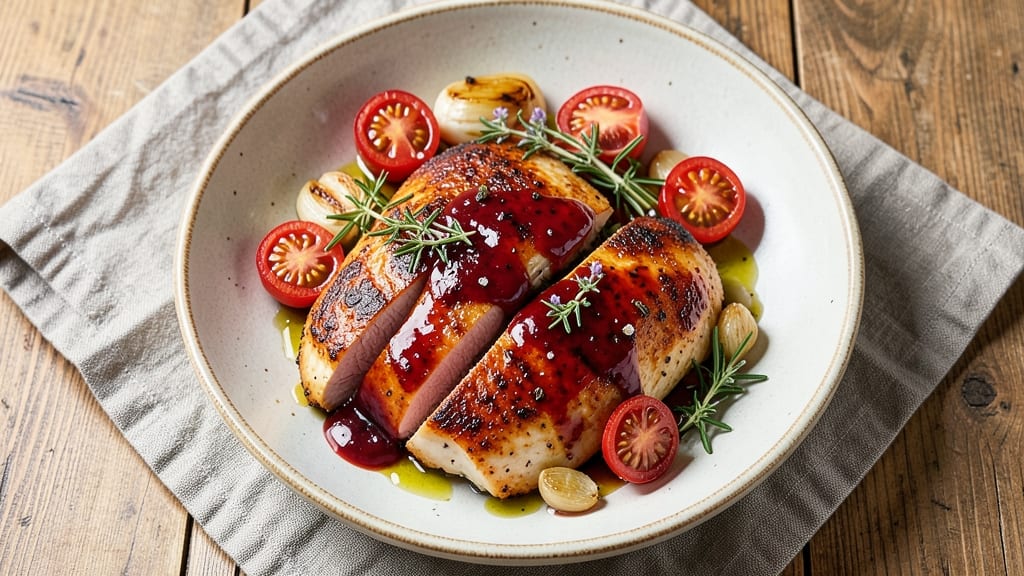
This baked chicken breast cacciatore recipe transforms simple ingredients into a restaurant-worthy dish with deep tomato flavors and aromatic herbs. The secret lies in marinating the chicken overnight, ensuring tender meat that absorbs the rich, wine-infused sauce perfectly.
Traditional techniques like browning the chicken and deglazing the pan create layers of complexity that shortcuts often miss.
What sets this recipe apart is the balance between authenticity and approachability. You'll start with a simple marinade of olive oil, garlic, and herbs, then bake the chicken until golden before finishing it in a velvety tomato-wine sauce.
The herbs—basil, oregano, and thyme—add bright, fresh notes that cut through the richness of the sauce.
By the end, you'll have juicy, flavorful chicken breasts swimming in a sauce that's rich yet balanced, with tender vegetables and herbs throughout. This dish delivers the kind of satisfying, hearty meal that feels special without requiring hours in the kitchen.
The aroma alone will have everyone gathered around the table.
Pair it with crusty bread to soak up every last bit of sauce, or serve alongside roasted potatoes for a complete Italian-inspired meal. The beauty of this recipe is its versatility—elevate it with fresh basil at the end or keep it simple with store-bought herbs for a quick weeknight dinner.
Ingredients for baked chicken breast cacciatore
Transform simple pantry staples and fresh herbs into restaurant-quality chicken cacciatore with rich tomato-wine sauce.
| Ingredient | Amount | Notes |
|---|---|---|
| Boneless, Skinless Chicken Breasts 🍗 | 1 ½ lb | Pounded to even thickness for even cooking |
| Extra-Virgin Olive Oil 🫒 | ½ cup | For marinade and searing |
| Garlic Cloves 🧄 | 6 cloves | Minced for marinade and sauce |
| Fresh Rosemary 🌿 | ¼ cup | Chopped, finely for marinade |
| Fresh Thyme Leaves 🌿 | ¼ cup | Stems removed for marinade |
| Red Wine 🍷 | 1 cup | Dry, bold variety like Cabernet Sauvignon |
| Canned Crushed Tomatoes 🍅 | 2 cups | San Marzano preferred for sweetness |
| Chicken Broth 💧 | 1 cup | Low-sodium for balanced flavor |
| Tomato Paste 🍅 | 2 tbsp | For concentrated tomato flavor |
| Red Bell Pepper 🌶️ | 1 whole | Diced, for sauce texture |
| Yellow Onion 🧅 | 1 whole | Diced, for sauce base |
| Fresh Basil Leaves 🌿 | ¼ cup | Chopped, for finishing garnish |
| Diamond Crystal Kosher Salt 🧂 | 1 ½ tsp | For seasoning and marinade |
| Freshly Ground Black Pepper 🌶️ | ½ tsp | For seasoning and sauce |
| All-Purpose Flour 🌾 | 2 tbsp | For dredging chicken |
The chicken breasts are the foundation—look for evenly sized pieces at Whole Foods or your local butcher for optimal tenderness. Pounding to even thickness ensures consistent doneness, and organic free-range chicken delivers superior flavor. For the herbs, fresh is non-negotiable—dried thyme and rosemary won't provide the same aromatic depth. The red wine should be dry and bold; Cabernet Sauvignon or Chianti work exceptionally well, but any kitchen red will suffice. San Marzano tomatoes are worth the investment—their sweetness and low acidity create a velvety sauce without overpowering the dish.
No red wine? Substitute with additional chicken broth and a splash of balsamic vinegar—it mimics the acidity and depth. For the herbs, dried thyme at one-third the amount works in a pinch, but fresh is ideal. The tomato paste can be omitted if you're using high-quality crushed tomatoes, but it adds a concentrated umami punch that elevates the sauce. If you're short on time, pre-minced garlic from a jar is acceptable, though fresh is always better. For the bell pepper and onion, frozen diced vegetables work perfectly—just thaw and drain before using to avoid excess moisture in the sauce.
Marinate the chicken overnight for maximum flavor infusion, then store the marinade separately to use in the sauce. The sauce reheats beautifully—simmer for 5-10 minutes to restore its velvety texture. For meal prep, store the chicken and sauce separately in airtight containers for up to 3 days in the fridge. Freeze the sauce alone for up to 3 months—it thickens slightly upon reheating, so add a splash of water or broth if needed. The fresh basil should be added just before serving to preserve its vibrant flavor and aroma.
Why You'll Love This Recipe
- One-Pan Magic: I swear by this recipe because it’s literally one pan—no fussing with multiple dishes. Just toss the chicken, garlic, and herbs on a sheet, drizzle with olive oil, and let the oven do the work. My counters stay clean, and my Tuesday nights stay sane.
- Herb-Packed Punch: That rosemary-thyme combo? It’s like a flavor hug for your chicken. The garlic roasts into sweetness while the herbs caramelize just enough to make every bite taste like a fancy Italian bistro—without the pretension.
- Leftovers That Don’t Suck: Between us, most chicken leftovers are sad. Not this. The sauce clings to the chicken, so reheating is a breeze—perfect for lunches or when you suddenly remember you’re hosting. I’ve fed a crowd with this twice, and no one complained.
- Budget-Friendly Feast: Skinless chicken breasts are affordable, and the herbs stretch far. Honestly, I’ve made this for date nights, family dinners, and even a potluck—always a hit. It’s the kind of dish that makes you feel like you’re serving something special without breaking the bank.
Step-by-step instructions for baked chicken breast cacciatore
This method delivers restaurant-quality cacciatore with tender chicken and rich, herbed tomato sauce.
Prepare the Chicken and Herb Marinade
Begin by pounding the 1.5 lb boneless, skinless chicken breasts between two sheets of plastic wrap to an even ½-inch thickness. This ensures even cooking and prevents dryness. In a large bowl, whisk together 0.5 cup extra-virgin olive oil, 1.5 tsp diamond crystal kosher salt, 0.5 tsp freshly ground black pepper, 0.25 cup finely chopped fresh rosemary, 0.25 cup fresh thyme leaves, and 6 minced garlic cloves. Place the chicken in a resealable plastic bag, pour the marinade over it, and massage gently to coat evenly. Marinate in the refrigerator for at least 2 hours or up to overnight—this step infuses maximum flavor and tenderizes the meat.
Here's the thing—don't skip the marinating. The herbs and acid from the wine will work together to break down the chicken fibers, resulting in a fork-tender texture. If using overnight, bring the chicken to room temperature for 30 minutes before cooking to ensure even heat distribution.
Sear and Dredge the Chicken
Preheat your oven to 375°F. Remove the chicken from the marinade (reserve the marinade for later) and pat dry with paper towels. In a separate bowl, combine 2 tbsp all-purpose flour with 1 tsp diamond crystal kosher salt and ¼ tsp freshly ground black pepper. Lightly dredge each chicken breast in the flour mixture, shaking off any excess. This creates a golden crust that locks in juices during baking.
Heat 1 tablespoon extra-virgin olive oil in a large oven-safe skillet over medium-high heat. Once shimmering, add the dredged chicken breasts and sear for 2-3 minutes per side until golden brown and crispy. You'll know it's ready when the edges release easily from the pan and the chicken registers 145°F internally. Transfer the skillet to the preheated oven.
Build the Tomato-Herb Sauce
In the same skillet, add 1 diced whole yellow onion and 1 diced whole red bell pepper. Sauté for 3-4 minutes until softened but not colored. Stir in 2 tbsp tomato paste and cook for 1 minute to develop its flavor. Pour in the reserved marinade, scraping up any browned bits from the bottom of the pan—this releases concentrated flavor. Add 2 cups canned crushed tomatoes and 1 cup chicken broth, then bring to a gentle simmer.
The sauce should bubble gently—if it reduces too quickly, add a splash of water. Return the chicken breasts to the skillet, spooning sauce over the top. Cover with a lid or foil and bake for 20-25 minutes until the chicken reaches 165°F internally and the sauce thickens to a rich consistency. The chicken should pull away from the bones easily when tested with a fork.
Finish and Serve with Fresh Basil
Remove the chicken from the skillet and let it rest on a cutting board for 5 minutes while you reduce the sauce. Return the skillet to the stovetop over medium heat and simmer the sauce uncovered for 5-7 minutes until it coats the back of a spoon. Stir in 0.25 cup chopped fresh basil leaves just before serving to brighten the flavors.
Slice the chicken breasts against the grain into ½-inch thick pieces and serve immediately with the reduced sauce spooned over the top. The finished dish should showcase tender, juicy chicken with a glossy, herbed tomato sauce that clings beautifully. Pair with crusty bread or polenta to soak up every last bit of that rich, aromatic sauce.
Pro Tips For Making Baked Chicken Breast Cacciatore
- BRINE THE CHICKEN FIRST: I learned this the hard way—dry, lean chicken breasts dry out fast in the oven. Toss them in a bowl with 1 cup warm water, 1 tablespoon salt, and 1 tablespoon olive oil for 20 minutes before baking. The extra moisture keeps them juicy even after simmering in the sauce.
- SMASH THE GARLIC: Don’t just minced it—smash those garlic cloves with the flat side of your knife first. This releases more flavor into the oil before it hits the heat. For this recipe, use 4-5 cloves, but only cook them until golden (about 1 minute) so they don’t turn bitter.
- COVER IT HALFWAY: After adding the chicken to the baking dish with the tomato sauce and herbs, bake uncovered for the first 15 minutes. Then, loosely cover with foil for the next 10 minutes—this traps steam to cook the chicken through without turning the sauce into soup.
- UPGRADE THE HERBS: Fresh rosemary and thyme are non-negotiable, but here’s the trick: finely chop the rosemary stems (they’re just as flavorful) and bruise the thyme leaves between your fingers before adding. This releases oils that’ll perfume the sauce better than whole sprigs ever will.
Common mistakes when making this recipe
Overcooking the Chicken
Chicken breast dries out fast, especially when baked, so hitting 165°F internal temperature is your goal—not 175°F. I’ve ruined many a cacciatore by letting it cook past doneness, resulting in rubbery meat. Use a meat thermometer for precision—insert it into the thickest part of the breast.
If the sauce seems too thin when the chicken is done, reduce it separately rather than overcooking the meat. 🌡️
Skipping the Marinade
Marinating for at least 2 hours (or overnight) is non-negotiable for tender, flavorful chicken. I’ve made this mistake—using chicken straight from the fridge with just a quick herb sprinkle leads to bland, tough meat.
The acid in the wine and olive oil breaks down proteins, while the herbs infuse flavor deep into the fibers. Reserve the marinade to use in the sauce for maximum impact.
Ignoring the Resting Time
Letting the chicken rest for 5 minutes after baking is crucial—it allows juices to redistribute. I’ve sliced into chicken too soon, and the result? Dry, disappointing bites. Place the chicken on a cutting board, tent loosely with foil, and let it rest while you reduce the sauce.
This simple step makes all the difference in texture and juiciness.
Using Low-Quality Tomatoes
San Marzano tomatoes are worth the splurge—their sweetness and low acidity create a silky sauce. I’ve used generic canned tomatoes, and the result was a saucy, watery mess.
If you can’t find San Marzanos, look for high-quality Italian-style crushed tomatoes. Avoid tomato sauces with added salt or preservatives—they’ll overpower the dish. 🍅
Neglecting Deglazing
Scraping up those browned bits from the pan after searing is where deep flavor lives. I’ve skipped this step, and the sauce tasted flat. Use the reserved marinade to deglaze—it contains all those aromatic herbs and garlic that caramelized during searing.
Pour it in slowly, scraping with a wooden spoon to release every bit of flavor from the pan.
Overcrowding the Pan
If your skillet is too crowded, the chicken will steam instead of sear, leading to soggy, uneven cooking. I’ve made this mistake with multiple breasts in a small pan.
Use a large, oven-safe skillet and cook the chicken in batches if needed. This ensures a golden crust and even browning, setting the stage for a perfect bake. 🔥
Nutrition facts
Frequently asked questions
Can I use chicken thighs instead of breasts?
Yes, but adjust the cooking time! Chicken thighs stay juicier and can handle 10-15 minutes longer at 375°F to reach 165°F internally. The skin will crisp beautifully—just remove it before baking if you prefer skinless results. For thighs, reduce the marinating time to 1 hour since they're more forgiving with less acid exposure.
What wine works best if I don't have red?
Use dry white wine (like Sauvignon Blanc) or dry sparkling wine—both add acidity without overpowering. For a non-alcoholic version, substitute with 1 cup apple cider vinegar + ½ cup chicken broth. The key is acidity to balance the tomatoes, so avoid sweet wines or juices. A splash of balsamic vinegar also works in a pinch!
How do I make this dish ahead of time?
Prepare the sauce 1 day ahead—it tastes even better after resting! Store it in an airtight container in the fridge. When ready to serve, reheat the sauce on the stove for 5-7 minutes**, then add the chicken breasts (baked separately) to warm through. For a 3-day meal prep, store chicken and sauce separately and reheat gently to avoid drying.
Can I use dried herbs instead of fresh?
Yes, but reduce the amount by ⅓—so 1 tsp dried thyme instead of 0.25 cup fresh. Toast dried herbs in the pan for 30 seconds before adding to the sauce to release their aroma. Fresh herbs provide brighter flavor, but dried works well for convenience. The rosemary should be finely chopped if using dried to mimic fresh texture.
What sides pair best with this dish?
Crusty garlic bread is a must for soaking up sauce! For a heartier meal, try creamy polenta or roasted fingerling potatoes. A simple mixed green salad with lemon vinaigrette cuts through the richness. Italian favorites like farro salad or grilled zucchini also complement the herbed tomato flavors beautifully.