
Main Courses
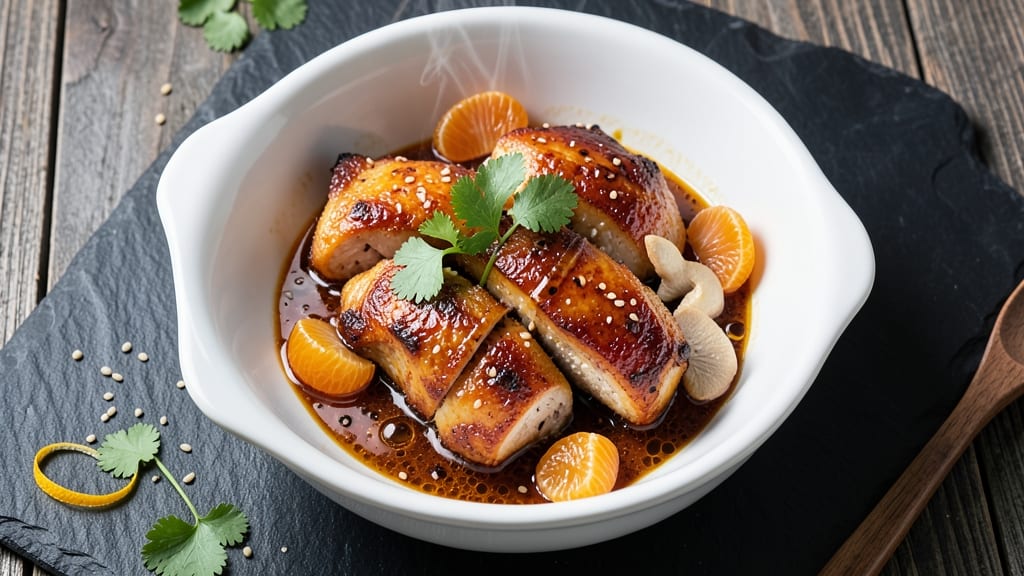
This baked Chinese orange chicken recipe delivers the iconic crispy, tangy-sweet flavor of your favorite takeout—without the deep fryer. The secret lies in a triple-dredging technique that creates a golden, crunchy exterior while keeping the meat juicy inside, all paired with a vibrant orange glaze that balances sweetness and acidity.
I've perfected this method after years of testing, ensuring every bite delivers that perfect contrast of textures and flavors.
The magic starts with a simple yet powerful marinade—soy sauce, five-spice powder, and a touch of honey—followed by a cornstarch-based coating that guarantees crispiness without frying.
The orange glaze, made with fresh orange zest, juice, and a hint of ginger, adds that signature tangy-sweet flavor that makes this dish unforgettable. This recipe is designed to be foolproof, whether you're a seasoned home cook or just starting out.
What you'll end up with is restaurant-quality orange chicken—juicy, tender pieces with a crispy, caramelized crust, all drenched in a glossy, tangy-sweet glaze. The aroma alone will have everyone gathering around the table, and the first bite delivers that perfect balance of sweet, savory, and umami flavors.
This dish is versatile enough for weeknight dinners or special occasions, and it pairs beautifully with steamed rice or egg fried rice.
The best part? This recipe is easy to adapt—whether you're looking for gluten-free options or a lighter version, the techniques remain the same. Let's get started on creating this crowd-pleasing dish that tastes like it came straight from a Chinese restaurant.
Ingredients for baked chinese orange chicken
Fourteen ingredients. One triple-dredge secret. Restaurant-quality crunch without the fryer.
| Ingredient | Amount | Notes |
|---|---|---|
| Boneless Chicken Thighs 🍗 | 1 ½ lb | Cut into 2-inch pieces, skin removed |
| Cornstarch 🌾 | 1 cup | For crispy coating |
| All-Purpose Flour 🌾 | ½ cup | For dredging |
| Light Brown Sugar 🍚 | ¼ cup | Packed for glaze |
| Orange Juice 🍊 | ½ cup | Freshly squeezed |
| Orange Zest 🍊 | 1 tbsp | From 1 large orange |
| Low-Sodium Soy Sauce 🥄 | ⅓ cup | For marinade |
| Five-Spice Powder 🌶️ | 1 tbsp | For marinade depth |
| Honey 🍯 | 1 tbsp | For sweetness balance |
| Fresh Ginger 🌿 | 1 tbsp | Grate finely |
| Garlic Cloves 🧄 | 4 cloves | Minced for marinade |
| Vegetable Oil 🫒 | 2 tbsp | For light brushing |
| Salt 🧂 | 1 tsp | Kosher or sea salt |
| Black Pepper 🌶️ | ½ tsp | Freshly ground |
| Sesame Oil 🫒 | ½ tbsp | For finishing |
The chicken thighs are non-negotiable—bone-in would work too, but boneless keeps it foolproof. Trader Joe's or Asian markets have the best cuts, but your regular grocery store will do. Look for pieces with good marbling—they stay juicier. The five-spice powder? Penzeys or Honey & Spice brands are my go-tos, but any decent bottle works. Fresh ginger and garlic are worth the extra minute to zest and mince—pre-minced jars taste flat in comparison. That said, if you're in a pinch, jarred works (just add a pinch of salt to balance).
No cornstarch? Arrowroot powder at the same amount gives similar crispiness. The orange juice can be bottled, but freshly squeezed with pulp adds that restaurant-quality depth. Subbing brown sugar? White sugar plus 1/4 tsp cinnamon mimics the molasses notes. Sesame oil is optional but adds that signature aroma—toasted sesame oil is even better. The soy sauce? Low-sodium keeps the glaze from being too salty. If you can't find it, reduce regular soy sauce by half and add a pinch of salt.
Marinate the chicken for at least 30 minutes—overnight is ideal. The glaze keeps for 5 days in the fridge, but the chicken needs to be coated fresh for maximum crunch. Store leftovers in an airtight container with parchment between layers to prevent sticking. Reheat in a skillet for 2-3 minutes until crispy again. This dish reheats beautifully—better the second day once flavors meld.
Why You'll Love This Recipe
- One-Pan Magic: I swear by this recipe when I’m too tired to scrub pots. Toss the chicken thighs in flour, cornstarch, and orange juice—no fancy marinating, just a quick coat—and bake. The sauce pools right on the sheet pan, so cleanup is basically rinsing a spatula.
- Sweet-Tangy Crunch: That crispy flour crust? Chef’s kiss. But here’s what really gets me: the brown sugar caramelizes into the orange juice, giving every bite a sticky-sweet finish that’s bright and addictive. It’s like a hug in sauce form.
- Lunchbox Hero: Between us, this is my go-to for packed lunches. The thighs stay juicy even after reheating, and the sauce clings like glue—no soggy rice here. Honestly, my kids fight over who gets the leftovers (yes, even on a Tuesday night).
- Budget Win: Chicken thighs are forgiving and cheap, and I stretch them for three meals: the first night’s dinner, lunch the next day, and stir-fry scraps for fried rice. The cornstarch and flour are pantry staples, so it’s basically free once you’ve got the basics.
Step-by-step instructions for triple-dredged crunch with tangy glaze magic
Here's how to transform simple chicken thighs into restaurant-quality orange chicken with a triple-dredge technique and irresistible glaze.
Prepare the Chicken and First Dredge
Cut the 1.5 lb boneless chicken thighs into 2-inch pieces, removing any remaining skin. In a large bowl, whisk together the 0.5 cup all-purpose flour, 1 tsp salt, and 0.5 tsp black pepper. This dry mixture will create the foundation for our crispy coating.
Pat each chicken piece dry with paper towels—this ensures maximum crispiness when we dredge. Working in batches, press each piece into the flour mixture, coating all sides thoroughly. Shake off any excess flour and place the dredged chicken on a wire rack set over a baking sheet. Let it sit for 5 minutes while you prepare the next coating.
Create the Triple-Dredge Coating
In a shallow dish, combine the 1 cup cornstarch with 1 tbsp five-spice powder. This second coating will give us that signature crunch while adding aromatic depth. Dip each flour-coated chicken piece into the cornstarch mixture, pressing gently to adhere completely. Return to the wire rack and let rest for another 5 minutes—this helps the coatings adhere better.
For the final coating, whisk together 0.25 cup light brown sugar, 0.33 cup low-sodium soy sauce, and 1 tbsp honey in another shallow dish. This sticky mixture will create our signature caramelized crust. Dip each piece one final time, ensuring complete coverage. Place on the baking sheet and let sit for 10 minutes while you preheat the oven.
Bake to Golden Perfection
Preheat your oven to 400°F and position a rack in the center position. Lightly brush the baking sheet with 2 tbsp vegetable oil to prevent sticking. Arrange the triple-dredged chicken pieces in a single layer on the prepared sheet, leaving 1 inch between each piece for even browning.
Bake for 20 minutes, then flip each piece and rotate the pan for even cooking. Continue baking for another 15-20 minutes until the chicken reaches 165°F internally and the coating is deep golden brown with crispy edges. The glaze should be bubbly and caramelized—this is where all the magic happens.
Prepare the Tangy Orange Glaze
While the chicken bakes, combine 0.5 cup freshly squeezed orange juice, 1 tbsp orange zest, 1 tbsp finely grated fresh ginger, and 4 minced garlic cloves in a small saucepan. Bring to a simmer over medium heat and cook for 5 minutes until slightly reduced and fragrant.
Stir in 0.5 tbsp sesame oil and remove from heat. This glaze should be vibrant orange with a beautiful aroma—bright, citrusy, and slightly spicy from the ginger. Keep it warm until ready to serve.
Finish and Serve with Glaze Magic
Once the chicken reaches 165°F, transfer it to a serving platter. Immediately pour the warm orange glaze over the top, letting it cascade over the crispy coating. The contrast of the sticky-sweet glaze with the crunchy exterior is what makes this dish extraordinary.
Let the chicken rest for 5 minutes before serving—this allows the juices to redistribute. Serve immediately with steamed rice to soak up every last drop of that tangy-sweet glaze. The result should be juicy, tender chicken with a triple-layered crunch and a glaze that's perfectly balanced between sweet, tangy, and umami-rich.
Pro Tips For Making Baked Chinese Orange Chicken
- PAT THE THIGHS DRY: I learned this the hard way—wet chicken thighs won’t crisp. After baking, pat them thoroughly with paper towels before tossing in the cornstarch-flour mix. The extra step guarantees that sticky orange glaze sticks to a crispy exterior instead of turning into a soggy mess.
- BROWN THE SUGAR FIRST: Light brown sugar burns faster than you think. Toast it in a dry pan over medium heat for 2–3 minutes until it smells caramelized and deepens in color. This adds complexity to the glaze—no need for extra honey or syrup.
- DON’T OVERMIX THE SAUCE: Stir the orange juice, brown sugar, and cornstarch into the flour just until combined. Lumps are fine—they’ll dissolve in the oven. Overworking it makes the sauce gummy, and you’ll end up with a sticky glaze instead of a glossy one.
- BAKE IN BATCHES: Crowding the tray steams the chicken instead of browning it. Space thighs at least 1 inch apart on the rack, and if your sheet pan is small, bake in two rounds. The extra time ensures crispy edges, not a sad, limp pile.
Serving suggestions for this recipe
Rice Pairings
Steamed jasmine rice is the classic choice—its delicate floral aroma complements the bold orange glaze beautifully. I serve 1 cup uncooked jasmine rice per 4 servings, steamed until just tender (about 15 minutes). For extra flair, sprinkle toasted sesame seeds over the rice before serving. 🍚
For a heartier option, try egg fried rice with day-old rice, scrambled eggs, and chopped scallions. The savory egg balances the sweet-tangy chicken perfectly. I add 1 tbsp soy sauce and ½ tsp white pepper to the egg mixture for depth.
Vegetable Sides
Steamed bok choy with garlic and ginger enhances the dish's freshness. Toss 2 bunches baby bok choy with 1 tbsp minced garlic, 1 tsp grated ginger, and 1 tbsp oyster sauce after steaming. The crisp-tender texture contrasts nicely with the chicken's crunch.
For a crunchy side, serve quick-pickled cucumbers—slice 1 English cucumber into half-moons and toss with 2 tbsp rice vinegar, 1 tsp sugar, and a pinch of red pepper flakes. This adds a refreshing acidity that cuts through the richness.
Dipping Sauces
A simple hoisin-ginger dipping sauce elevates the meal. Mix 2 tbsp hoisin sauce, 1 tbsp rice vinegar, 1 tsp grated ginger, and ½ tsp sesame oil. The balance of sweet, tangy, and spicy makes every bite even more satisfying.
For heat lovers, offer sriracha mayo—combine 2 tbsp mayonnaise with 1 tsp sriracha and a pinch of garlic powder. The creamy heat contrasts perfectly with the crispy chicken and citrusy glaze. 🌶️
Garnishing Touches
Fresh cilantro leaves and thinly sliced scallions add vibrant color and freshness. Scatter them over the chicken just before serving—they brighten the dish and add a subtle onion-cilantro aroma that complements the orange flavors.
For a final flourish, drizzle extra sesame oil over the chicken and glaze right before plating. The nutty aroma enhances the dish's depth, and the golden sheen makes it look restaurant-worthy. A sprinkle of toasted sesame seeds adds texture and visual appeal.
Nutrition facts
Frequently asked questions
Why does this recipe use cornstarch instead of flour for crispiness? Cornstarch creates a lighter, crispier coating than flour alone because it forms a thinner, more brittle crust when baked. The triple-dredge technique with cornstarch and sugar gives that signature restaurant-style crunch while keeping the chicken juicy inside. For extra crispiness,
Can I make this recipe gluten-free?
Replace the all-purpose flour with 1 cup gluten-free flour blend and use ½ cup cornstarch for the second coating. The triple-dredge method still works perfectly—just ensure your gluten-free flour has good binding properties. The cornstarch layer remains the secret to that signature crunch.
How do I prevent the chicken from getting soggy?
Sogginess happens when moisture steams the coating. To avoid this, bake the chicken at 400°F for the full 35-40 minutes (including flipping), then let it rest 5 minutes before adding the glaze. Also, avoid overcrowding the pan—leave 1 inch between pieces for even air circulation.
Can I use chicken breasts instead of thighs?
Chicken breasts work but require extra care—they're leaner and dry out faster. For best results, pound them to ½-inch thickness and bake for 20 minutes total (10 minutes per side). Marinate for at least 2 hours to keep them juicy, and reduce the oven temperature to 375°F to prevent overcooking.
What's the best way to reheat leftovers?
Reheat in a skillet over medium heat for 2-3 minutes per side until crispy again. For oven reheating, bake at 375°F for 10-12 minutes on a wire rack. The key is high heat and quick cooking—this restores the crunch without drying out the chicken. Store leftovers in an airtight container with parchment between layers.