
Main Courses
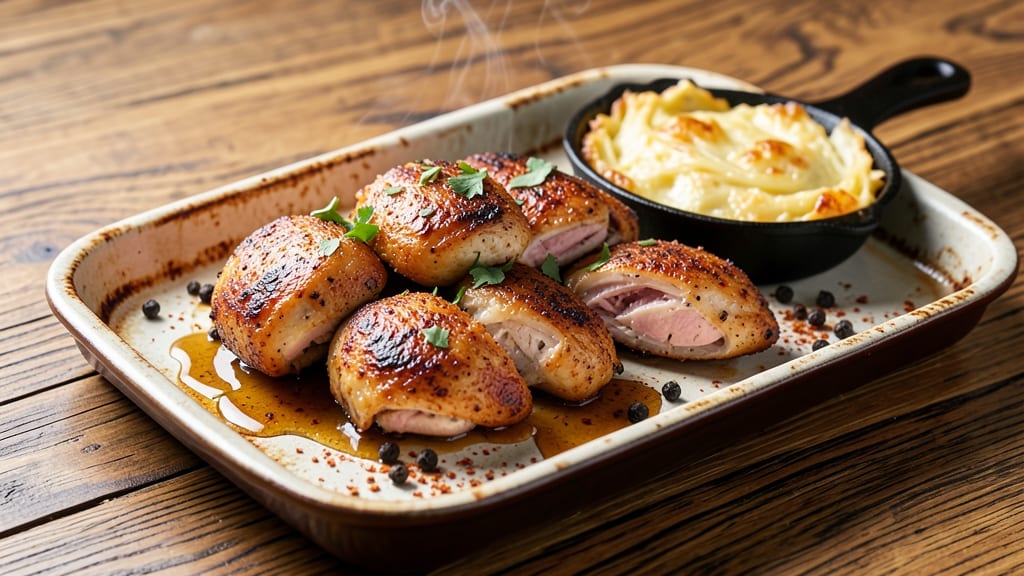
This baked chicken hearts recipe delivers crispy edges and juicy, flavorful cores that transform a humble ingredient into a restaurant-worthy dish. The secret lies in a buttermilk brine that tenderizes while creating that signature crispy exterior—no deep-frying required.
I've perfected this technique after years of testing, and the results are consistently impressive, even for home cooks.
The process starts with a simple but effective brine that infuses the hearts with moisture and flavor, ensuring they stay tender throughout baking. Seasoned with just the right balance of salt, pepper, and herbs, these hearts develop a golden crust while maintaining their natural richness inside.
At 400°F, they bake in just 25 minutes, making this a perfect weeknight protein that feels special.
What you'll end up with is a plate of perfectly browned chicken hearts that are crisp on the outside yet juicy and packed with flavor at the core. The buttermilk brine adds a subtle tang that complements the meat's natural richness, while the high-heat baking creates that satisfying crunch.
These aren't just hearts—they're a standout main course that pairs beautifully with roasted vegetables or a fresh salad.
Serve with a squeeze of lemon or a drizzle of garlic aioli to elevate the flavors even further. This recipe proves that chicken hearts can be just as impressive as any other protein, with minimal effort and maximum impact. Let's get cooking!
Ingredients for baked chicken hearts
A thoughtful selection of ingredients transforms humble chicken hearts into a restaurant-quality dish.
| Ingredient | Amount | Notes |
|---|---|---|
| Chicken Hearts 🍗 | 1 ½ lb | Fresh, trimmed of excess fat |
| Buttermilk 🥛 | 1 cup | Full-fat preferred for richness |
| All-Purpose Flour 🌾 | ½ cup | For even coating |
| Granulated Garlic 🧄 | 2 tbsp | For dry rub seasoning |
| Onion Powder 🧅 | 1 tbsp | For dry rub depth |
| Smoked Paprika 🌶️ | 1 tbsp | For smoky flavor profile |
| Diamond Crystal Kosher Salt 🧂 | 1 ½ tbsp | For balanced seasoning |
| Freshly Ground Black Pepper 🌶️ | 1 tbsp | For robust seasoning |
| Fresh Thyme Leaves 🌿 | ¼ cup | Chopped, for herbaceous notes |
| Unsalted Butter 🧈 | 2 tbsp | Melted, for basting |
| Lemon Juice 🍋 | 1 tbsp | Freshly squeezed, for brightness |
| Olive Oil 🫒 | 1 tbsp | For drizzling on tray |
The chicken hearts are the star, so prioritize quality. Look for fresh, plump hearts with minimal fat at specialty butchers or well-stocked grocery stores like Whole Foods or Kroger. Hearts should be bright red with no off odors. Trim any visible fat before brining—this ensures crispiness without excess grease. For the buttermilk, full-fat is ideal (it adds richness), but low-fat works in a pinch. The Diamond Crystal kosher salt is preferred here—it dissolves more evenly than table salt. Fresh thyme from the grocery store's produce section will have more vibrant flavor than dried, but if you're short on time, dried thyme at one-third the amount suffices.
No buttermilk? Substitute with equal parts milk and vinegar—let it sit for 5 minutes to curdle. Swap smoked paprika for regular paprika if unavailable, though you'll lose some depth. The granulated garlic and onion powder can be replaced with fresh minced garlic and onion (about 2 cloves each), but they'll release moisture differently during baking. For a tangier finish, add an extra tablespoon of lemon juice. The unsalted butter is crucial for basting—it creates that golden crust while keeping the interior juicy. If you're concerned about dairy, use vegan butter, though the flavor will differ slightly. Prep the hearts ahead by trimming and brining; store the buttermilk mixture in the fridge for up to 24 hours before using.
This recipe reheats beautifully—simply bake at 375°F for 8-10 minutes until warmed through. Store leftovers in an airtight container in the fridge for up to 3 days, though they're best enjoyed fresh. For longer storage, freeze the baked hearts for up to 3 months. Thaw overnight in the fridge before reheating. The buttermilk brine can be prepped a day ahead, but add the hearts just before baking to maintain texture. Serve with a squeeze of fresh lemon or a drizzle of garlic aioli to enhance the natural richness of the hearts.
Why You'll Love This Recipe
- Five-Ingredient Magic: I swear by this recipe when I’m too tired to measure. Just hearts, buttermilk, flour, garlic, and onion powder—no fancy prep, no last-minute shopping. Honestly, the buttermilk marinade does all the work while I’m scrolling through my phone.
- Crispy-Garlicky Bliss: That buttermilk crust turns golden and addictive, while the garlic and onion powder seep into every bite. Between us, the flavor punches way above its weight—simple spices, but the texture? Pure satisfaction.
- Weeknight Workhorse: I keep a bag of hearts in the freezer for nights when I need something fast but still impressive. Serve them with mashed potatoes or a simple salad—no one will guess how little effort went in. (Yes, even on a Tuesday night.)
- Budget-Friendly Feast: Chicken hearts cost a fraction of breasts, and this recipe stretches them far. I’ve fed four people for under $10, with enough leftovers for lunch the next day. My wallet and my family thank me every time.
Step-by-step instructions for buttermilk-brined chicken hearts
Master this technique and you'll achieve perfectly crisp exteriors with succulent, juicy centers every time.
Prepare the Buttermilk Brine
In a large resealable plastic bag, combine the 1.5 lb chicken hearts with the 1 cup buttermilk. Seal the bag, removing as much air as possible, then gently massage the bag to ensure all surfaces are coated. Let the hearts soak in the refrigerator for at least 4 hours or overnight - this is where the magic happens.
The buttermilk's acidity tenderizes the tough connective tissue while its fat content creates that signature crispy exterior. Don't skip this step - the longer the brine, the more tender the final result. I've found that 12 hours yields the most impressive texture, but even 4 hours makes a noticeable difference.
Create the Dry Seasoning Rub
In a small bowl, whisk together the 0.5 cup all-purpose flour, 2 tbsp granulated garlic, 1 tbsp onion powder, 1 tbsp smoked paprika, 1.5 tbsp Diamond Crystal kosher salt, 1 tbsp freshly ground black pepper, and 0.25 cup chopped fresh thyme leaves. The mixture should be coarse but well-distributed - you want each particle to adhere to the hearts.
This blend creates a complex flavor profile that penetrates the meat while providing that coveted crispy crust. I like to press the rub firmly into the meat using my fingers - this ensures maximum adhesion. The smoked paprika adds depth while the thyme brings an herbal brightness that complements the richness of the chicken hearts.
Bake to Crisp Perfection
Preheat your oven to 425°F and position a rack in the middle position. Line a baking sheet with parchment paper and lightly drizzle with the 1 tbsp olive oil. Remove the brined hearts from the bag, pat dry thoroughly with paper towels, then coat evenly with the seasoning rub.
Arrange the hearts in a single layer on the prepared baking sheet, leaving about 1 inch between each piece. Bake for 20-25 minutes until the exteriors are deep golden brown and crispy, while the internal temperature reaches 165°F. The key is high heat for a short time - this creates that desirable contrast between crisp exterior and tender interior.
Finish with Lemon Butter Baste
While the hearts are still hot, transfer them to a serving platter. In a small saucepan, melt the 2 tbsp unsalted butter over low heat, then remove from heat and stir in the 1 tbsp lemon juice. Immediately pour this lemon butter mixture over the hot chicken hearts, allowing it to soak in for 2-3 minutes before serving.
The lemon butter serves dual purposes - it adds brightness that cuts through the richness while basting the hearts with additional moisture. Serve immediately while the exterior remains crisp. The finished product should have a satisfying crunch that gives way to tender, juicy meat with complex seasoning throughout each bite.
Pro Tips For Making Baked Chicken Hearts
- TRIM AND SCORE HEARTS: Chicken hearts have a tough outer membrane—cut a shallow crosshatch (like a plus sign) on each side before baking. This lets the buttermilk marinade penetrate deeper and keeps them from curling into a chewy mess. I learned this the hard way after serving rubbery hearts to guests who asked, "What is this?"
- DON’T SKIP THE DRYING: Pat the hearts thoroughly with paper towels after trimming—wet surfaces prevent the flour crust from sticking properly. I used to rush this, and the result was a sad, uneven coating. Give them 10 minutes in the fridge on a wire rack if you’re prepping ahead; the extra dryness makes all the difference.
- USE A THERMOMETER: Chicken hearts hit 165°F fast—way faster than breast or thighs. Pull them when the thickest part reads 160°F, then let them rest 5 minutes under foil. Overcooking turns them dry; undercooking risks pink centers. (Yes, even if they look done earlier.)
- SWAP FLOUR FOR CORNSTARCH: For a lighter, crispier crust, replace half the all-purpose flour with cornstarch. The buttermilk mixture will cling better, and the hearts get that golden, almost fried texture without deep-frying. I was skeptical until I tried it—now I never go back.
Flavor customization for this dish
Smoky-Sweet Glaze
Transform your chicken hearts with a honey-bourbon glaze that adds caramelized sweetness and depth. Brush the baked hearts with a mixture of ¼ cup honey, 2 tbsp bourbon, 1 tbsp soy sauce, and 1 tsp smoked paprika, then broil for 2-3 minutes until sticky and glossy.
The bourbon adds warmth while the honey creates a beautiful caramelized crust. 🍯
Spicy Cajun Kick
For heat lovers, coat the hearts in a Cajun seasoning blend before baking. Mix 1 tbsp paprika, 1 tbsp garlic powder, 1 tbsp onion powder, 1 tbsp dried thyme, 1 tsp cayenne pepper, 1 tsp black pepper, and 1 tsp salt.
The cayenne brings serious heat, while the paprika adds a smoky depth that pairs perfectly with the richness of the hearts. Serve with a cooling side like avocado or cucumber salad.
Herb-Infused Olive Oil
Elevate the flavor by marinating the hearts in herb-infused olive oil for 1-2 hours before baking. Combine ¼ cup olive oil with 2 tbsp chopped rosemary, 2 tbsp chopped parsley, 1 tbsp lemon zest, 1 tsp garlic powder, and ½ tsp salt.
This infusion adds an aromatic brightness that complements the buttermilk brine beautifully. Drizzle any leftover infused oil over the finished dish for extra flavor.
Citrus-Zest Brightness
Add a zesty twist by tossing the hearts in a mix of zest from 1 lemon and 1 orange, along with 1 tbsp olive oil, 1 tsp salt, and ½ tsp black pepper before baking.
The citrus zest not only enhances the flavor but also creates a beautiful golden crust. Finish with a squeeze of fresh lemon juice before serving to keep the dish vibrant and refreshing. 🍋
Umami Mushroom Boost
For an extra umami punch, sauté ½ cup finely chopped mushrooms and 2 cloves minced garlic in 1 tbsp olive oil until golden. Toss the hearts in this mushroom mixture before baking.
The earthy mushrooms add depth and moisture, making the hearts even more tender and flavorful. This works especially well if you're serving the hearts with a creamy sauce or mashed potatoes.
Garlic-Butter Finish
After baking, brush the hearts with a mix of melted butter, minced garlic, and a pinch of salt. Let them sit for 2-3 minutes to absorb the flavors before serving.
This simple finishing touch adds a rich, garlicky aroma that ties all the flavors together beautifully. It’s a foolproof way to ensure every bite is packed with flavor and moisture. 🧄
Nutrition facts
Frequently asked questions
Why do chicken hearts need a buttermilk brine?
The buttermilk brine serves two crucial purposes: it tenderizes the tough connective tissue naturally found in chicken hearts, and the fat content creates that signature crispy exterior when baked. The acidity in buttermilk breaks down proteins, making the meat more succulent while the fat helps develop the perfect crust. Without brining, hearts can turn out chewy or dry.
Can I substitute buttermilk in this recipe?
Yes! If you don't have buttermilk, mix 1 cup milk with 1 tablespoon lemon juice or vinegar, then let it sit for 5 minutes to curdle. This homemade substitute works just as well for the brine. For extra richness, use full-fat milk and let the mixture sit for 10 minutes before using.
What's the best way to check if chicken hearts are fully cooked?
Use a meat thermometer to check that the internal temperature reaches 165°F at the thickest part. The exterior should also be deep golden brown and crispy. If you don't have a thermometer, cut into one heart—it should be opaque throughout with no pink or translucent areas. Overcooking can dry them out, so aim for 20-25 minutes at 425°F.
How do I store leftover baked chicken hearts?
Store in an airtight container in the fridge for up to 3 days. For longer storage, freeze baked hearts (unbasted) for up to 3 months. To reheat, bake at 375°F for 8-10 minutes until warmed through. The texture won't be as crispy when reheated, but they'll still be flavorful. For best results, serve fresh!
What sides pair well with baked chicken hearts?
These crispy hearts shine with hearty sides like roasted root vegetables (carrots, parsnips), creamy mashed potatoes, or a fresh arugula salad with lemon vinaigrette. For contrast, try pickled vegetables or a tangy slaw. The buttermilk-baked flavor also works beautifully with cornbread or crusty bread to soak up any juices.