
Appetizers
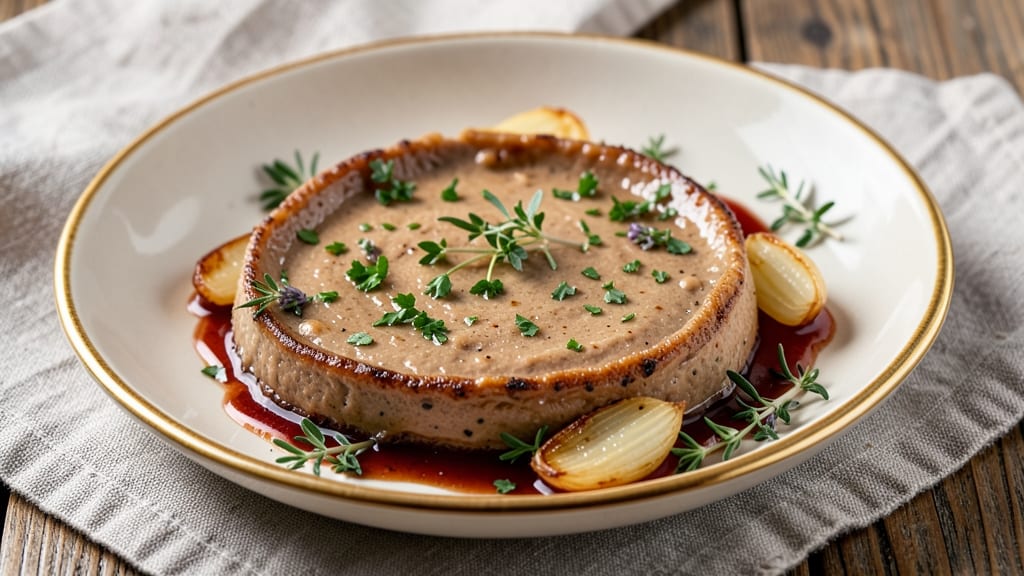
This baked chicken liver pâté recipe delivers the luxurious texture and rich, earthy flavor that makes it a showstopper at any gathering. The secret lies in slow-cooking the livers with aromatic herbs and butter until they become velvety smooth, then finishing them in the oven for a delicate, golden crust.
I’ve perfected this technique over years of testing—balancing richness with freshness so every bite feels indulgent yet refined.
What sets this recipe apart is the silky-smooth consistency achieved through careful blending and baking, paired with a crust of toasted breadcrumbs for texture. Traditional French methods meet modern simplicity here: no fancy equipment, just a food processor, baking dish, and patience.
The result is a pâté that’s elegant enough for holiday appetizers but easy enough for weeknight entertaining.
The earthy depth comes from fresh thyme, parsley, and shallots, while butter and cream add luxurious mouthfeel. Serve it chilled with crusty baguette slices or crackers, drizzled with a touch of high-quality olive oil.
The flavors only deepen over time, making this pâté perfect for making ahead and impressing guests without stress.
Pair it with a crisp white wine like Sauvignon Blanc or a dry sparkling rosé to complement the pâté’s richness. The recipe scales beautifully—double it for parties or halve it for intimate gatherings. Here’s how to create a pâté that tastes like a Michelin-starred appetizer in your own kitchen.
Ingredients for baked chicken liver pate
Fourteen ingredients transform into a velvety pâté that rivals Michelin-starred appetizers.
| Ingredient | Amount | Notes |
|---|---|---|
| Chicken Livers 🍗 | 1 lb | Fresh, trimmed of connective tissue |
| Unsalted Butter 🧈 | ½ cup | Cold, cut into small cubes |
| Heavy Cream 🥛 | ½ cup | Full-fat, cold from refrigerator |
| Fresh Thyme 🌿 | ¼ cup | Leaves only, finely chopped |
| Fresh Parsley 🌿 | ¼ cup | Flat-leaf, finely chopped |
| Shallots 🧅 | 3 whole | Minced, finely chopped |
| Garlic Cloves 🧄 | 2 cloves | Minced, finely chopped |
| Fresh Lemon Juice 🍋 | 1 tbsp | From 1 small lemon |
| Diamond Crystal Kosher Salt 🧂 | ½ tsp | Adjust to taste |
| Freshly Ground Black Pepper 🌶️ | ½ tsp | Freshly cracked |
| Panko Breadcrumbs 🍞 | ¼ cup | Toasted in butter |
| Extra-Virgin Olive Oil 🫒 | 1 tbsp | For finishing |
The chicken livers are the heart of this pâté, so prioritize quality—look for bright red, firm livers at Whole Foods or your local butcher. Trim any connective tissue or bile ducts meticulously, as they can impart bitterness. European-style livers are ideal, but domestic will work if fresh. The butter and cream must be cold—draw them straight from the fridge to prevent premature melting during blending. Fresh herbs elevate the earthy depth; Thyme and parsley should be vibrant, not wilted. Shallots and garlic add complexity, so mince them finely for even distribution throughout the pâté.
No fresh thyme? Dried thyme at one-third the amount works in a pinch, though texture will differ slightly. Substitute heavy cream with half-and-half for a lighter body, but richness will diminish. For a dairy-free option, use coconut cream chilled overnight—it mimics the fat content closely. The panko breadcrumbs should be toasted in butter before topping; Japanese panko offers superior texture, but standard panko suffices. If you lack panko, crusty bread toasted and pulverized in a food processor creates a suitable alternative. Always taste as you blend—adjust salt and pepper to balance the pâté’s richness.
This pâté develops deeper flavor when chilled, so plan ahead. Store it in an airtight container lined with plastic wrap, pressed directly against the surface to prevent a skin from forming. Keeps for 5 days refrigerated or 3 months frozen—portion into small ramekins for elegant serving. Reheat gently in a water bath to maintain its silky texture. The crust of toasted breadcrumbs should be added fresh before serving, as it loses crispness when stored. For presentation, drizzle with high-quality extra-virgin olive oil and serve with crusty baguette slices or crackers.
Why You'll Love This Recipe
- No-Fuss Bake: I swear by this method—just toss the livers in butter and cream, pop them in the oven, and forget about them. No blenders, no straining, no stress. The thyme and parsley wilt right into the mix, so you’re not left with a pile of herbs to chop separately.
- Rich Without Effort: That first bite of creamy, buttery liver with the crisp edges? It’s like a fancy charcuterie board in your mouth, but you made it in 20 minutes. The heavy cream turns it velvety, and the butter adds that deep, savory richness that feels indulgent (but isn’t).
- Party in a Jar: Between us, this is my go-to for holiday appetizers or last-minute gatherings. Slap it in a ramekin, chill it, and serve it with crusty bread or crackers—no one will guess how little work went into it. Honestly, I’ve used it for everything from game day snacks to brunch spread.
- Budget Luxury: Chicken livers are cheap, but they taste like you spent a fortune. A pound goes a long way, and the leftovers? Even better the next day. I’ll be real: my kids don’t love liver, but they devour this—because it’s creamy, herby, and tastes like a treat, not a chore.
Step-by-step instructions for baked chicken liver pâté
Transform rich chicken livers into a velvety pâté with vibrant herb notes and delicate texture.
Prepare the Chicken Livers
Begin by trimming any connective tissue and silver skin from the 1 lb chicken livers using a sharp knife. Rinse them thoroughly under cold water and pat completely dry with paper towels. This step is crucial—any moisture remaining will create steam during cooking, resulting in a watery pâté instead of the silky consistency we're aiming for.
Place the cleaned livers in a bowl and season generously with 0.5 tsp Diamond Crystal kosher salt and 0.5 tsp freshly ground black pepper. Add 1 tbsp fresh lemon juice to brighten the flavor and prevent the livers from becoming overly rich. Let them sit at room temperature for 15 minutes while you prepare the aromatics. This brief resting period ensures even cooking and better flavor integration.
Sauté the Aromatics
In a large skillet, melt 0.25 cup unsalted butter over medium heat. Add the 3 minced shallots and cook for 3-4 minutes until they soften and become translucent. This gentle cooking process prevents the shallots from browning, which would impart bitterness to the pâté. Stir occasionally to ensure even cooking.
Add the 2 minced garlic cloves and cook for an additional 30 seconds until fragrant. Immediately remove the skillet from heat and stir in the 0.25 cup finely chopped fresh thyme and 0.25 cup finely chopped fresh parsley. This step locks in the vibrant herb flavors before they lose their potency from prolonged heat exposure. Let the mixture cool slightly before proceeding.
Assemble and Bake the Pâté
Preheat your oven to 350°F. In a food processor, combine the seasoned chicken livers with the cooled shallot mixture. Pulse until the mixture is finely chopped but still retains some texture—you want a coarse consistency, not a puree. Transfer the mixture to a greased 9-inch round baking dish or similar size.
Spread the liver mixture evenly in the dish, creating a smooth surface. In a small bowl, mix together the 0.5 cup heavy cream and the 0.25 cup toasted panko breadcrumbs. Pour this mixture evenly over the liver preparation, pressing down gently to ensure contact. Bake for 35-40 minutes until the center reaches 160°F on an instant-read thermometer and the top is golden brown.
Finish and Serve
Remove the pâté from the oven and let it rest for 10 minutes before serving. This resting period allows the flavors to meld and the texture to set properly. Drizzle with 1 tbsp extra-virgin olive oil just before serving to enhance the richness and add a touch of brightness.
The finished pâté should have a velvety, almost mousse-like texture with visible herb flecks throughout. Serve it chilled or at room temperature with crusty bread, crackers, or fresh vegetables. The pâté keeps well in the refrigerator for up to 5 days, making it perfect for meal prep or entertaining.
Pro Tips For Making Baked Chicken Liver Pate
- Sear Livers First: Ditch the raw liver-to-oven approach—pat them dry, then sear in a screaming-hot pan with butter for 2-3 minutes per side until browned. This step locks in flavor and prevents that "raw" aftertaste that ruins even the best pâte.
- Trim the Gall Bladders: Those tiny green sacs on the livers? Pop them out before cooking. Left in, they’ll turn bitter and ruin your smooth texture. I learned this the hard way after a batch tasted like a chemistry experiment.
- Simmer the Cream: Reduce the heavy cream by half before mixing it in—this thickens the pâte naturally and cuts down on watery mess. Just warm it in a saucepan until it coats the back of a spoon, then stir it in while still hot.
- Rest Before Blending: Let the baked livers cool for 10 minutes after coming out of the oven. This lets the juices redistribute so your final pâte isn’t greasy or grainy. Trust me, blending warm liver is a recipe for a lumpy disaster.
Serving suggestions for leftovers
Crusty Bread Pairings
This pâté shines with a crusty baguette or sourdough bread—their sturdy crusts hold up perfectly to the silky spread. I recommend slicing the bread ½-inch thick and toasting it lightly with garlic butter (melt 2 tbsp butter with 1 minced garlic clove) for extra flavor.
For a rustic touch, serve with water crackers or baguette slices cut into triangles. 🥖
Fresh Vegetable Accompaniments
Balance the richness with crisp, fresh vegetables like radishes, cherry tomatoes, or endive leaves. Thinly sliced cucumber sprinkled with flaky sea salt and lemon zest adds a refreshing contrast.
For a more substantial bite, serve with roasted fingerling potatoes or asparagus spears—their earthy tones complement the pâté’s deep flavor.
Cheese and Charcuterie Boards
Elevate your serving with a charcuterie board featuring aged cheddar, brie, and provolone alongside the pâté. Add sliced salami, cornichons, and walnuts for texture. I love pairing it with dry sherry or Port wine to cut through the richness.
For a lighter option, include goat cheese and fig jam—the tangy sweetness balances the pâté beautifully.
Wine and Beverage Pairings
A dry Riesling or Sauvignon Blanc is ideal—their bright acidity cleanses the palate between bites. For red wine lovers, a light Pinot Noir works well. Sparkling options like Prosecco or dry cider add a festive touch.
Serve with iced herbal tea (mint or chamomile) for a non-alcoholic pairing that enhances the herbal notes in the pâté.
Presentation Tips
For an elegant touch, serve the pâté in ramekins or small ceramic bowls with a drizzle of extra-virgin olive oil and a sprinkle of fresh parsley. Use edible flowers or microgreens as garnishes for a restaurant-worthy presentation.
Chill the pâté for at least 2 hours before serving to let flavors meld—this makes it easier to pipe or spoon onto plates for a refined look.
Make-Ahead Serving
This pâté tastes even better the next day, so prepare it a day ahead for gatherings. Store it in an airtight container pressed directly against the surface to prevent skin formation.
Reheat gently in a water bath (place the container in a pot of simmering water for 10-15 minutes) to maintain its silky texture. Add fresh toasted breadcrumbs just before serving to keep them crisp. 💫
Nutrition facts
Frequently asked questions
Why do chicken livers need to be trimmed before cooking?
Trimming the connective tissue and silver skin is essential because these parts can become tough and bitter when cooked. The clean livers blend into a silky texture, while any remaining connective tissue would create a grainy, unpleasant mouthfeel. Take your time with this step—it makes all the difference in the final pâté's luxurious consistency.
Can I substitute duck or pork livers for chicken livers?
Yes, but flavor and texture will change. Duck livers are richer and slightly gamey, requiring more lemon juice and salt to balance. Pork livers are milder but can be slightly sweeter. For a true chicken liver pâté, stick with the original recipe, but