
Main Courses
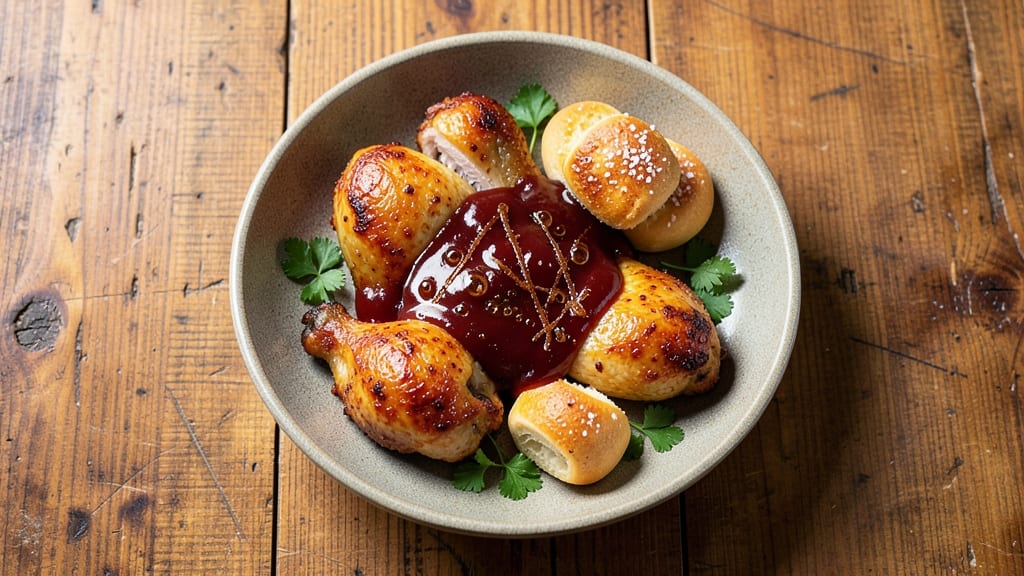
This baked chicken with ketchup recipe transforms simple weeknight dinner into something unexpectedly special. The ketchup glaze—sweet, tangy, and slightly sticky—becomes the star, caramelizing into a glossy finish that clings perfectly to each bite.
What makes it work is the balance of heat, sugar, and acid, creating a sauce that's rich enough to stand alone but harmonious with the chicken's natural flavor.
The secret lies in baking the chicken at a high temperature—425°F—so the glaze sets into a glossy, slightly crispy crust while keeping the meat juicy inside.
You'll start with a simple marinade of ketchup, mustard, and a touch of brown sugar, then let it bake until the edges are golden and the chicken reaches 165°F internally. The result? A dish that's restaurant-worthy but requires minimal effort, with a sauce that's impossible to resist.
This recipe delivers perfectly tender chicken thighs or breasts, each piece glazed in that addictive ketchup mixture that's both sweet and tangy. The glaze isn't just for show—it penetrates the meat, infusing it with flavor while creating a caramelized crust that adds texture.
It's the kind of dish that disappears quickly, leaving your table clean and your guests asking for seconds.
Pair it with classic sides like creamy mashed potatoes or roasted vegetables to round out the meal. The ketchup glaze works especially well with crispy roasted potatoes or buttery corn, balancing the richness of the chicken.
Ready in under 45 minutes, this recipe proves that simple ingredients can create something truly memorable.
Ingredients for baked chicken with ketchup
Sweet-tangy glaze meets juicy chicken—just these 12 ingredients transform a simple dinner into something unforgettable.
| Ingredient | Amount | Notes |
|---|---|---|
| Boneless Chicken Thighs 🍗 | 1 ½ lb | Skin-on preferred for crispiness |
| Ketchup 🍅 | ¾ cup | High-quality, not low-sodium |
| Yellow Mustard 🍯 | 2 tbsp | Dijon works too |
| Brown Sugar 🍚 | 2 tbsp | Light or dark variety |
| Apple Cider Vinegar 🍏 | 1 tbsp | For tangy balance |
| Garlic Powder 🧄 | 1 tsp | Freshly ground preferred |
| Onion Powder 🧅 | 1 tsp | For depth of flavor |
| Smoked Paprika 🌶️ | ½ tsp | Adds subtle smokiness |
| Salt 🧂 | 1 tsp | Kosher or sea salt |
| Black Pepper 🌶️ | ½ tsp | Freshly ground preferred |
| Olive Oil 🫒 | 1 tbsp | For greasing baking dish |
| Fresh Parsley 🌿 | ¼ cup | Chopped, for garnish |
The chicken thighs are key here—skin-on gives that perfect crispy edge while staying juicy inside. Trader Joe's or Costco often have the best deals on bone-in, skin-on thighs. If you must use breasts, pound them to even thickness so they cook uniformly. The ketchup makes all the difference: Heinz or Hunt's work perfectly, but avoid anything with artificial colors. For extra richness, add a splash of molasses to the glaze mix—just 1 teaspoon does the trick.
No Dijon mustard? Yellow mustard plus a pinch of sugar works in a pinch. Running short on vinegar? Lemon juice at the same amount keeps the tang. The brown sugar can be swapped for white, but light brown adds subtle molasses notes. Need more heat? Add a pinch of cayenne to the glaze. For a smoother finish, blend the glaze ingredients in a food processor for 10 seconds—it emulsifies beautifully. The glaze should coat the back of a spoon but still drip slowly—thicker than you'd think!
Prep the chicken and glaze ahead—it actually tastes better the next day as flavors meld. Store leftovers in an airtight container for 3-4 days in the fridge, or freeze for up to 3 months. Reheat gently in the oven at 350°F until warmed through. The glaze reheats beautifully, so don't skip this step—it's even more concentrated after chilling. For extra crispiness, broil for 2-3 minutes at the end, watching closely to avoid burning.
Why You'll Love This Recipe
- Five-Ingredient Magic: I swear by this combo—ketchup, mustard, and vinegar might sound odd, but together they create this perfect tangy-sweet glaze that sticks to the chicken like it’s meant to. The brown sugar caramelizes just enough to give it that irresistible crispy edge without burning.
- Weeknight Unfussy: No chopping, no fussing, no waiting for marinades. Toss the thighs in the sauce, pop them in the oven, and forget about them while you fold laundry or watch a show. Between us, that’s my kind of dinner.
- Leftover Goldmine: This recipe actually tastes better the next day—yes, really. The glaze thickens slightly, the chicken stays juicy, and suddenly you’ve got a whole new meal for lunches or a quick sandwich. I’ve fed my kids this cold for three days straight, and they’ve never complained.
- Budget Crowd-Pleaser: Boneless thighs are cheap, pantry staples do the work, and one sheet pan handles it all. I’ve served this to 10 people at a potluck and had zero leftovers—because everyone wants seconds. Honestly, it’s my go-to for any gathering where I don’t want to break the bank.
Step-by-step instructions for baked chicken with ketchup
This method delivers perfectly glazed, juicy chicken thighs with a sweet-tangy coating that stays sticky and delicious.
Prepare the Sweet-Tangy Glaze
In a medium bowl, combine the 0.75 cup ketchup, 2 tablespoons yellow mustard, 2 tablespoons brown sugar, 1 tablespoon apple cider vinegar, 1 teaspoon garlic powder, 1 teaspoon onion powder, 0.5 teaspoon smoked paprika, 1 teaspoon salt, and 0.5 teaspoon black pepper. Whisk vigorously until the sugar dissolves completely and the mixture is smooth. This glaze should be thick but pourable - if it's too stiff, add 1 teaspoon of water to loosen it. The tangy-sweet balance comes from the vinegar cutting through the richness of the ketchup and mustard.
Taste the mixture and adjust seasoning if needed - you might want to add a pinch more salt or sugar depending on your preference. This glaze will caramelize beautifully during baking, creating that signature sticky texture that makes every bite irresistible. Let the mixture sit at room temperature while you prepare the chicken.
Season and Prep the Chicken Thighs
Pat the 1.5 lb boneless chicken thighs completely dry with paper towels - this is crucial for achieving crispy edges. The skin-on version will give you extra crispiness, but even skinless thighs will develop a nice texture. Place them in a bowl and season generously with additional 1 teaspoon salt and 0.5 teaspoon black pepper on both sides. I like to press the seasoning into the meat so it adheres well.
Arrange the seasoned chicken thighs in a single layer on a baking sheet lined with parchment paper. This prevents them from steaming and keeps them crispy. If your thighs are large, you might need to use two baking sheets. Let them sit at room temperature for 15-20 minutes before baking - this ensures even cooking throughout.
Bake the Chicken to Juicy Perfection
Preheat your oven to 375°F. Once hot, brush each chicken thigh generously with the prepared glaze, coating all sides thoroughly. Place the baking sheet in the middle rack of the oven and bake for 30-35 minutes, until the internal temperature reaches 165°F and the edges are golden brown with caramelized glaze. I recommend checking the temperature with a meat thermometer for accuracy.
About halfway through baking (15-18 minutes in), brush the chicken with additional glaze to ensure maximum stickiness. The glaze should bubble and darken as it caramelizes. If you notice the glaze is burning before the chicken is done, tent the baking sheet loosely with aluminum foil to protect it while allowing the chicken to finish cooking.
Rest and Garnish for Presentation
Remove the chicken from the oven and let it rest on the baking sheet for 5 minutes before serving. This resting period allows the juices to redistribute, preventing them from running out when you cut into the meat. During this time, transfer any remaining glaze from the baking sheet to a small saucepan and simmer gently for 2-3 minutes to thicken it slightly if desired.
Garnish each serving with chopped 0.25 cup fresh parsley and drizzle with any remaining glaze from the pan. The parsley adds a fresh contrast to the rich, sweet-tangy flavors. Serve immediately with roasted vegetables, mashed potatoes, or crusty bread to soak up that delicious glaze. The chicken should be juicy inside with a crispy, caramelized exterior that clings to every bite.
Pro Tips For Making Baked Chicken With Ketchup
- Pat the thighs dry: Wet chicken skin won’t crisp—no matter how much you bake it. After rinsing, grab paper towels and really work the surface, especially around the bone. I used to skip this and end up with soggy, sticky skin that just absorbed the sauce instead of caramelizing.
- Mix the sauce first: Combine ketchup, mustard, brown sugar, and vinegar in a bowl before brushing it on. The sugar dissolves better and the vinegar blends evenly—no clumpy bits clinging to the chicken. I learned this the hard way when I brushed undiluted ketchup and ended up with a sticky mess that dripped everywhere.
- Bake at 400°F, not 375°: Higher heat means faster browning and a thicker glaze. Start at 400°F for the first 15 minutes, then drop to 375°F to finish cooking. The initial burst of heat locks in moisture while the sauce caramelizes properly—no more dry, overcooked edges.
- Add a splash of water: Pour 2 tablespoons of water into the baking dish before adding the chicken. The steam keeps the sauce from burning while it cooks, and the extra liquid helps create a glossy, sticky finish. Sounds weird, but it works—my sauce used to turn rubbery until I tried this.
Serving suggestions for this recipe
Classic Side Pairings
Creamy mashed potatoes are the ultimate match—their buttery richness balances the tangy-sweet glaze beautifully. I like to make mine with garlic roasted potatoes for extra depth, or add a touch of sour cream for a restaurant-style finish.
For a lighter option, roasted Brussels sprouts with a sprinkle of bacon bits add crunch and contrast. 🥔
Corn on the cob works surprisingly well too—grill it until charred, then brush with a little honey butter to complement the ketchup flavors. If you're serving a crowd, garlic bread lets guests soak up every last bit of that sticky glaze. For a fresh twist, toss a simple green salad with apple slices and walnuts to cut through the richness.
Bread and Starch Options
Crusty dinner rolls or sourdough bread are perfect for mopping up the glaze—just warm them in the oven for 5 minutes at 350°F so they stay soft. I also love cheesy grits with a swirl of sharp cheddar and a pinch of cayenne for a Southern-inspired pairing. For a heartier option, roasted sweet potatoes with brown sugar and cinnamon add natural sweetness that harmonizes with the ketchup.
Vegetable Sides
Roasted carrots with thyme and honey caramelize perfectly alongside the chicken, adding natural sweetness. Green beans sautéed with garlic and lemon zest provide a bright, tangy contrast. For a one-pan meal, toss zucchini and bell peppers with Italian seasoning and roast them alongside the chicken—they’ll absorb the glaze’s flavors without overpowering the dish. 🌽
Dipping Sauces
Serve with a small bowl of honey mustard (mix 2 tbsp honey with 1 tbsp Dijon mustard) for extra dipping fun. A spicy mayo (mayo + 1 tsp sriracha + 1 tsp lime juice) adds heat to balance the sweetness.
For a creamy option, ranch dressing or blue cheese dressing pairs surprisingly well with the glaze’s tangy notes.
Presentation Tips
Arrange the chicken on a wooden board or slate platter for a rustic touch, then drizzle extra glaze artistically over the top. Garnish with chopped parsley and toasted sesame seeds for a pop of color.
For a festive look, serve with mini corn muffins or cornbread on the side—guests will love the interactive element of dipping. 🍽️
Nutrition facts
Frequently asked questions
Can I use chicken breasts instead of thighs?
Yes, but you'll need to adjust the cooking time and method. Chicken breasts cook faster and can dry out more easily, so pound them to an even 1-inch thickness and bake at 350°F for 20-25 minutes instead of 375°F. Brush with glaze only halfway through to prevent over-browning. For extra juiciness, add a splash of chicken broth to the baking dish.
Why is my ketchup glaze too runny?
The glaze needs to be thick enough to cling but pourable—if it's too thin, the sugar didn't dissolve properly or you added too much liquid. Simmer the glaze in a small saucepan for 3-5 minutes to reduce it, or whisk in 1 teaspoon cornstarch mixed with 1 tablespoon water until thickened. For next time, let the glaze sit at room temperature for 10 minutes before using to help the sugar dissolve.
How do I make this recipe spicier?
Add ½ teaspoon cayenne pepper or 1 teaspoon hot sauce directly to the glaze for immediate heat. For smoky spice, increase smoked paprika to 1 teaspoon. If you like complexity, mix ½ teaspoon chipotle powder into the glaze. Balance the heat with a pinch more brown sugar to maintain the sweet-tangy contrast.
Can I prepare this ahead of time?
The glaze actually improves overnight. Marinate the chicken in the glaze for 4-6 hours or overnight in the fridge, then bake as directed. For make-ahead meals, assemble the chicken and glaze, refrigerate for 1-2 days, then bake straight from the fridge (add 5-10 minutes to the cooking time). The flavors meld beautifully, and the glaze becomes even stickier.
What's the best way to reheat leftovers?
Reheat gently to preserve moisture and prevent drying. Place leftovers in an oven-safe dish, cover loosely with foil, and warm at 300°F for 10-15 minutes until reaching 165°F internally. For extra glaze shine, drizzle a little water over the chicken before reheating and cover tightly. Avoid microwaving—it makes the glaze rubbery. Store leftovers in an airtight container for 3-4 days.