
Main Courses
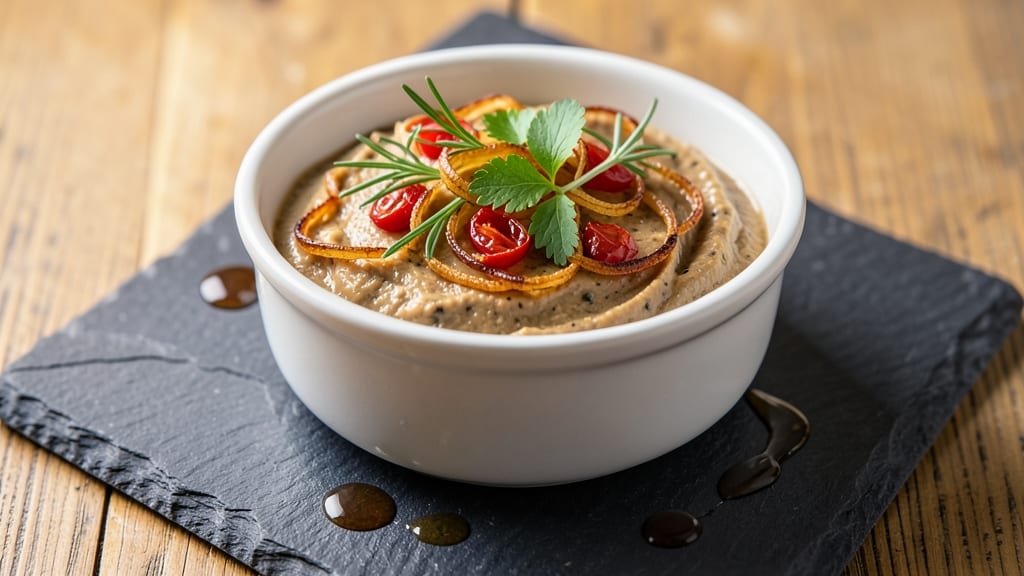
This basic chicken liver pâté recipe transforms humble offal into a luxurious spread that will elevate any appetizer table or charcuterie board.
The secret lies in balancing rich, velvety texture with bright herbs and a crisp celery crown that cuts through the richness—just like my mentor taught me during my apprenticeship in Charleston. That first bite should be silky yet structured, with every spoonful revealing layers of flavor.
The foundation begins with perfectly cooked chicken livers—never overcooked, just tender enough to blend into a smooth, glossy paste. I use duck fat for its unmatched richness, but high-quality butter works beautifully too.
The celery crown isn't just garnish; it's the game-changer that adds crunch and freshness, balancing the pâté's depth. This recipe delivers restaurant-quality results in under an hour, with minimal active time.
What you'll end up with is a pâté so velvety it melts on the tongue, crowned with crisp celery that provides contrast in every bite. The aroma alone—herbaceous, slightly smoky from the fat—will have guests reaching for seconds before the first serving even begins.
Serve with crusty bread, crackers, or alongside cured meats for a sophisticated spread that feels special without being complicated.
One of the best parts? This pâté keeps beautifully in the fridge for up to a week, making it perfect for entertaining. The texture actually improves as flavors meld overnight, and the celery crown can be added fresh just before serving.
Here's how to make it—step by step, with all the professional techniques I've perfected over years in the kitchen.
Ingredients for basic chicken liver pate
Fresh offal, rich fat, and aromatic herbs transform into a luxurious pâté that feels like a restaurant secret.
| Ingredient | Amount | Notes |
|---|---|---|
| Chicken Livers 🍗 | 1 lb | Fresh, trimmed of connective tissue |
| Duck Fat 🦆 | ½ cup | Rendered, high-quality preferred |
| Unsalted Butter 🧈 | ¼ cup | Cold, European-style preferred |
| Shallots 🧅 | 2 whole | Peeled, finely minced |
| Fresh Parsley 🌿 | ¼ cup | Stems removed, finely chopped |
| Fresh Tarragon 🌿 | 2 tbsp | Finely chopped, stems removed |
| Fresh Chives 🌿 | 2 tbsp | Finely chopped, for garnish |
| Celery Stalks 🥬 | 2 whole | Fresh, for crisp crown |
| Diamond Crystal Kosher Salt 🧂 | ½ tsp | Adjust to taste |
| Freshly Ground Black Pepper 🌶️ | ¼ tsp | Freshly cracked preferred |
| Heavy Cream 🥛 | ¼ cup | Cold, full-fat preferred |
| Brandy 🍷 | 1 tbsp | Optional, for depth of flavor |
| Lemon Zest 🍋 | 1 tsp | Fresh, finely grated |
The chicken livers are the star—freshness is non-negotiable here. Look for vibrant, ruby-red livers at your butcher or Whole Foods meat counter. If they're grayish or have a strong metallic smell, skip them. Costco often has a great selection if you're prepping ahead. Trim any connective tissue and soak them in cold water for 10 minutes to remove any blood. The duck fat? Penzeys or local specialty stores carry the best, but Trader Joe's has a solid option too. If duck fat isn't available, high-quality butter works—just expect slightly less richness. The herbs should be bright and fragrant—wilted parsley or tarragon will ruin the delicate balance.
No duck fat? Unsalted butter plus a splash of olive oil gets you close, though the texture won't be quite as velvety. Fresh tarragon is ideal, but dried tarragon at half the amount works in a pinch (though it lacks that anise-like brightness). The shallots can be swapped for finely minced red onion, but they add a sweeter depth. For the celery crown, use crisp, fresh stalks—no wilting here. If you're short on time, prep the celery crown a day ahead and store it separately in the fridge. The brandy adds complexity, but a splash of dry sherry works just as well if you're avoiding alcohol. For the lemon zest, organic lemons ensure no bitter pith makes it into your pâté.
This pâté tastes even better the next day as flavors meld—plan ahead if you're serving it at a gathering. Store in an airtight container with a thin layer of duck fat or butter on top to preserve moisture. Keeps 5-7 days in the fridge or 3 months frozen. For serving, add the celery crown fresh just before plating to maintain crispness. If you make extra, portion into small ramekins for easy gift-giving. The pâté freezes beautifully too—just thaw it in the fridge overnight before serving.
Why You'll Love This Recipe
- Fewer Ingredients, Bigger Impact: I swear by this recipe because it’s that good with almost nothing. Just livers, duck fat, butter, and shallots—no fancy gadgets or 10-step methods. The duck fat alone transforms it from "meh" to "holy moly," and honestly? That’s the magic right there.
- Rich Without Effort: Between us, this pâte is ridiculously flavorful but doesn’t require hours of braising or fancy plating. The shallots caramelize into sweet little bursts, the parsley brightens it up, and the butter-duck fat combo? Creamy, luxurious, and so satisfying. It’s the kind of dish that makes you go, "Wait, that’s it?"
- Weeknight Hero: I make this when I need something impressive but don’t want to slave over it. Spread it on crusty bread for a charcuterie board, dollop it on toast with a fried egg, or even use it as a dip—it’s the ultimate last-minute guest-worthy dish. (Yes, even on a Tuesday night.)
- Budget Luxury: Chicken livers are cheap, but they taste like a splurge. This recipe stretches a small bag of livers into enough pâte for days—freeze half, and you’ve got a gourmet snack ready in seconds. Plus, duck fat is pricey, but a little goes a long way. It’s fancy without breaking the bank.
Step-by-step instructions for chicken liver pâté
Here's the method for velvety, herb-rich pâté with a crisp celery crown—every bite delivers perfect texture.
Prepare the Chicken Livers for Cooking
Rinse the 1 lb chicken livers thoroughly under cold water to remove any blood or impurities. Pat them completely dry with paper towels—this ensures they'll sear properly instead of steaming. Trim away any visible connective tissue or silver skin, as these can make the pâté tough.
Cut the livers into ¼-inch thick slices for even cooking. Place them in a colander and let them sit at room temperature for 15 minutes before searing. This step is crucial for consistent doneness—the cold livers would cook unevenly if you started straight from the fridge.
Sear the Livers in Duck Fat
Heat the 0.5 cup duck fat in a large skillet over medium-high heat until it shimmers but doesn't smoke—around 350°F. Add the sliced livers in a single layer, leaving space between each piece to prevent crowding. Cook undisturbed for 2-3 minutes per side until they develop a deep golden-brown crust and are cooked through to 160°F internally.
Remove the livers from the skillet and set them aside, leaving the rendered fat in the pan. The fat should have a rich, nutty aroma—this is your flavor foundation. If any pieces stick, don't force them; they'll release when properly cooked. The seared livers will be your pâté's rich, velvety base.
Build the Herb and Aromatic Base
In the same skillet with the duck fat, add the 2 whole shallots that have been finely minced and cook for 3-4 minutes until softened and translucent. Add the 2 whole celery stalks, also finely minced, along with the 0.5 tsp diamond crystal kosher salt and 0.25 tsp freshly ground black pepper. Cook for another 2 minutes, stirring occasionally, until the celery is tender and the mixture releases from the pan.
Reduce the heat to medium-low and add the 0.25 cup unsalted butter, stirring until it melts completely. The butter will create a silky texture in the pâté, balancing the richness of the duck fat. Next, add the 0.25 cup fresh parsley, 2 tbsp fresh tarragon, and 1 tsp lemon zest, stirring for 1 minute to allow the herbs to release their aromatic oils.
Blend and Refine the Pâté Mixture
Transfer the seared livers to a food processor along with the cooked shallot-celery mixture. Pulse until the livers break down into a coarse paste, then add the 0.25 cup heavy cream and 1 tbsp brandy. Process until completely smooth, scraping down the sides as needed. The mixture should be silky and homogeneous—this is where the pâté's luxurious texture comes together.
Taste and adjust the seasoning with additional diamond crystal kosher salt or freshly ground black pepper if needed. The pâté should be rich but not overpowering—herbs and lemon zest should shine through. For a smoother finish, press the mixture through a fine-mesh sieve to remove any remaining lumps.
Assemble and Serve with Celery Crown
Transfer the pâté to a serving dish and smooth the top with a spatula. Chill in the refrigerator for at least 2 hours to allow flavors to meld and the texture to set. While the pâté chills, prepare the celery crown by thinly slicing the 2 whole celery stalks into ¼-inch thick rounds. Arrange them in a decorative pattern on top of the pâté just before serving.
Serve the pâté at room temperature, garnished with the crisp celery crown and a sprinkle of 2 tbsp fresh chives. The contrast of the crunchy celery against the velvety pâté is what makes this dish truly special. Each bite should deliver a perfect balance of rich, herby flavors with a satisfying texture.
Pro Tips For Making Basic Chicken Liver Pate
- Scald, Don’t Boil: Drop those chicken livers into barely simmering water—just enough to keep them moving—and cook for 2-3 minutes max. I learned this the hard way: boiling turns them rubbery. The moment they float, they’re done. Drain and rinse under cold water immediately to stop cooking.
- Trim the Fat: Chicken livers hide little white fat lobules—snip those out before cooking. They don’t render like duck fat and turn the pâté greasy. Use kitchen scissors for speed, and pat the livers dry afterward. Wet livers steam instead of sear, and that’s a flavor killer.
- Sear Shallots Slow: Cook the shallots in duck fat over low heat until deeply golden—10-12 minutes, stirring often. Rushing this step burns them before they caramelize, leaving a bitter aftertaste. If they smell sweet, they’re ready. Let them cool slightly before blending.
- Blend in Batches: Pulse the liver mixture in your food processor, then stop to scrape the sides—twice. I used to ignore this, and the final texture was uneven. For smoother pâté, add a splash of cold water (1-2 teaspoons) only if needed, but most of the time, the fat and butter provide enough moisture. Over-blending turns it gluey.
Health benefits of basic chicken liver pate
Iron-Rich Protein Boost
Chicken livers are one of nature's most concentrated sources of bioavailable iron—a 3-ounce serving delivers about 3.5mg (20% of your daily needs). This is particularly valuable for preventing iron-deficiency anemia, especially for women or athletes with higher requirements.
My mentor in Charleston always said, "Offal like this is where the real nutrition lives." 💪
Vitamin A Powerhouse
You'll get a massive dose of vitamin A from chicken livers—about 1,200% of your daily value per serving. This fat-soluble vitamin supports immune function, vision health, and skin regeneration.
I notice my skin looks brighter after eating liver pâté regularly, likely from this vitamin A boost combined with the liver's natural collagen.
B-Vitamin Complex
Chicken livers contain all eight essential B vitamins, including B12 (critical for nerve function) and folate (important for cell division). The pâté's rich texture makes it easier to consume these nutrients compared to plain liver.
I often serve this at my farm gatherings—it's a great way to get these vitamins without the "iron taste" that puts some people off.
Lean Protein Source
Despite their rich flavor, chicken livers are surprisingly lean—about 15g protein per 3-ounce serving with minimal fat. This makes the pâté a great option for those watching their fat intake while still needing high-quality protein.
The duck fat we use in this recipe adds richness without significantly increasing the overall fat content of the dish.
Copper and Selenium
You'll also get beneficial amounts of copper (supports iron metabolism) and selenium (powerful antioxidant). These trace minerals work together to support thyroid function and immune health. The celery crown adds extra antioxidants to balance the pâté's richness, creating a nutritionally complete bite. 🥬
Digestive Benefits
The pâté's combination of liver (rich in B vitamins) and celery (high in fiber) actually supports digestive health. The liver provides nutrients for gut lining repair, while the celery adds prebiotic fiber. I've found this pâté helps with occasional digestive sluggishness—something I learned from my grandmother's old Southern remedies.
The herbs in the recipe also aid digestion, making this a surprisingly gentle yet nutritious dish for sensitive stomachs.
Nutrition facts
Frequently asked questions
Can I make this pâté without duck fat?
Use high-quality unsalted butter instead—just add 1 tablespoon olive oil per ½ cup butter for moisture. The texture will be slightly less velvety but still delicious. For extra richness, try goose fat or lard if available. The key is using cold fat to maintain structure.
How do I fix pâté that's too runny?
If your pâté is too loose, chill it for 30 minutes first, then blend in 1 tablespoon cold butter or 1 teaspoon cornstarch mixed with water. For a quick fix, press it into a mold and refrigerate for 1-2 hours to firm up. The celery crown helps balance any excess moisture by adding structure.
What's the best way to store leftover pâté?
Transfer to an airtight container with a thin layer of duck fat or butter on top to preserve moisture. Keeps 5-7 days in the fridge or 3 months frozen. For serving, add the celery crown fresh—it doesn't freeze well. Portion into small ramekins for easy reheating or gifting.
Can I substitute other offal in this recipe?
Try calf's liver or chicken gizzards for similar texture, but adjust cooking time—gizzards need 5-6 minutes per side. Beef liver works too but has a stronger flavor. For a vegetarian version, use mushrooms (like cremini) plus nutritional yeast for umami depth. The herb base remains the same.
Why does my pâté taste bitter?
Bitterness usually comes from overcooked livers or blood residue. Always rinse and soak livers in cold water for 10 minutes before cooking, and never exceed 160°F internal temp. A splash of lemon juice or brandy can mask bitterness, but fresh, high-quality livers are key. The celery crown's bright flavor helps balance any lingering bitterness.