
Main Courses
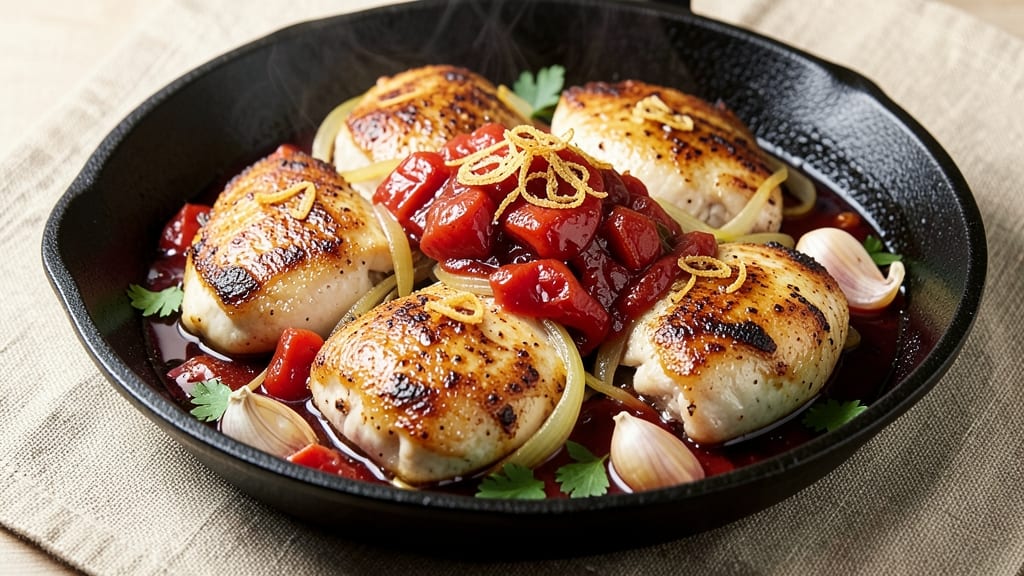
Betty Crocker’s classic chicken cacciatore delivers that restaurant-quality comfort of tender chicken swimming in a rich, herb-infused tomato sauce. I first perfected this version after years of adapting Italian techniques for home kitchens—keeping the bold flavors but simplifying the steps for weeknight dinners.
The secret lies in browning the chicken properly and letting the sauce simmer low and slow, developing depth without burning.
This recipe transforms simple pantry staples into a dish that feels like a family feast, with just five key ingredients doing the heavy lifting.
You’ll need boneless chicken thighs (they stay juicier than breasts), canned tomatoes for convenience without sacrificing flavor, and a blend of Italian herbs that’s easy to find.
The garlic and onions form the aromatic base, while red wine adds that signature tang—don’t skip it, even if you use just a splash.
By the time you’re done, you’ll have golden-brown chicken with crisp edges and tender, fork-flaky meat, all nestled in a sauce that’s velvety yet bright from the tomatoes.
The herbs release their aroma as it simmers, filling your kitchen with that warm, inviting scent that makes every bite taste like a hug. It’s the kind of dish that tastes even better the next day, perfect for meal prep or feeding a crowd.
Serve it over creamy polenta or crusty bread to soak up every last drop of that rich sauce. For extra flair, garnish with fresh basil or grated Parmesan—though honestly, it’s delicious just as is. Let’s get cooking!
Ingredients for betty crocker chicken cacciatore
Pantry staples that transform into restaurant-quality chicken cacciatore with just five key ingredients doing the heavy lifting.
| Ingredient | Amount | Notes |
|---|---|---|
| Boneless Chicken Thighs 🍗 | 1 ½ lb | Skin-on for crispiness, cut into even pieces |
| Canned San Marzano Tomatoes 🍅 | 2 cups | Crushed by hand, no salt added |
| Italian Seasoning Blend 🌿 | 2 tbsp | Dried oregano, basil, thyme, marjoram |
| Yellow Onion 🧅 | 1 whole | Diced, about 1 cup |
| Garlic Cloves 🧄 | 4 cloves | Minced, not pre-minced jar |
| Dry Red Wine 🍷 | ½ cup | Bold variety like Cabernet Sauvignon |
| Extra-Virgin Olive Oil 🫒 | 2 tbsp | For browning chicken, fruity variety |
| Chicken Broth 💧 | ½ cup | Low-sodium preferred |
| Fresh Basil Leaves 🌿 | ¼ cup | Chopped, for garnish (optional) |
| Salt 🧂 | 1 ½ tsp | Diamond Crystal kosher salt |
| Black Pepper 🌶️ | ½ tsp | Freshly cracked |
| Red Wine Vinegar 🍋 | 1 tsp | Brightens the sauce |
| Parmesan Cheese 🧀 | ¼ cup | Freshly grated, for serving |
The chicken thighs make all the difference here—skin-on for crispy edges, bone-in for juiciness. Trader Joe's or Whole Foods often carry pre-cut bone-in thighs, but if you're buying whole, look for pieces with good marbling. I always season mine with salt and pepper right after browning—Diamond Crystal kosher is my go-to, but any fine sea salt works. The San Marzano tomatoes are worth the splurge (or grab a high-quality store brand like Muir Glen), as their sweetness balances the acidity perfectly. For the Italian seasoning blend, Penzeys has a great pre-mixed version, but you can DIY with equal parts dried oregano, basil, thyme, and marjoram.
No red wine? Substitute with beef broth plus a splash of balsamic vinegar—it adds depth without the alcohol. Fresh basil is ideal, but dried basil at one-third the amount works in a pinch. The onions and garlic are non-negotiable for that aromatic base, but if you're short on time, sauté 1 tbsp onion powder and 1 tsp garlic powder instead. For a quicker version, use low-sodium chicken bouillon powder instead of broth. The Parmesan can be swapped for Pecorino Romano if you prefer a sharper bite, but stick with freshly grated—pre-shredded has anti-caking agents that ruin the texture.
This dish tastes even better the next day—make extra for lunches. Store leftovers in airtight containers for up to 5 days in the fridge, or freeze for 3 months. To reheat, warm gently on the stove with a splash of broth or water. The sauce thickens as it cools, so adding a little liquid when reheating keeps it silky. For meal prep, portion into individual containers with a sprinkle of Parmesan on top—microwave-safe containers work best to avoid soggy garnishes.
Why You'll Love This Recipe
- One-Pan Magic: That’s right—just one skillet, minimal chopping, and you’re golden. The onions caramelize while you slice the chicken, and the San Marzano tomatoes take over the rest. No fancy techniques, no last-minute grocery runs. Honestly, I’ve made this on nights when I forgot to eat lunch.
- Garlic Bomb: Between us, the garlic and Italian seasoning blend turn this into something ridiculously flavorful without effort. The San Marzano tomatoes add that sweet, tangy depth, and the chicken thighs stay juicy—no dry, sad bites here. It’s the kind of dish where the first bite makes you pause mid-spoonful.
- Leftovers I Actually Want: This recipe doubles perfectly, and the flavor gets even better the next day. I’ll be real: my lunchbox gets packed with it, and my coworkers ask for seconds. The sauce thickens just enough to cling to the chicken, so it’s not just “reheated dinner”—it’s a meal that holds up.
- Budget-Friendly Feast: Chicken thighs are forgiving and cheap, and canned tomatoes keep costs low without sacrificing taste. You’re not sacrificing flavor for savings—this is the kind of dish that makes you wonder why you ever ordered takeout. Plus, it feeds four for under $15. Not bad.
Step-by-step instructions for chicken cacciatore
Here's the method that transforms simple ingredients into a rich, herb-infused tomato sauce with tender chicken.
Prepare the Chicken and Build the Base
Pat the 1.5 lb boneless chicken thighs dry with paper towels—this ensures a proper sear. Season both sides generously with 1.5 tsp salt and 0.5 tsp black pepper, pressing the seasoning into the meat so it adheres well. Heat 2 tbsp extra-virgin olive oil in a large Dutch oven over medium-high heat until shimmering.
Add the chicken thighs in a single layer, letting them cook undisturbed for 5-6 minutes until golden brown on one side. Flip carefully and cook another 5-6 minutes until the second side is also golden. The chicken will finish cooking later in the sauce, so don't worry about full doneness at this stage. Remove the chicken and set aside on a plate.
Develop the Flavor Foundation
In the same Dutch oven, reduce heat to medium and add the diced 1 whole yellow onion. Cook for 5-6 minutes until softened and translucent, stirring occasionally. Add the 4 minced garlic cloves and cook for 30 seconds until fragrant—don't let it brown or it'll turn bitter.
Pour in the 0.5 cup dry red wine, scraping up any browned bits from the bottom of the pan. Let it simmer for 2-3 minutes until reduced by about half. This deglazing step captures all the flavor that would otherwise stick to your pan. Stir in the 2 tbsp Italian seasoning blend and cook for 30 seconds to toast the herbs slightly.
Simmer the Tomato Sauce
Add the 2 cups crushed canned San Marzano tomatoes, 0.5 cup chicken broth, and 1 tsp red wine vinegar to the Dutch oven. Stir well to combine, then return the chicken thighs to the pot. Bring the mixture to a gentle simmer over medium-low heat, then reduce heat to maintain a bare bubble at the surface.
Cover partially and let it cook for 30-35 minutes. The sauce should reduce slightly and deepen in color. You'll know it's ready when the chicken is tender and easily pulls apart with a fork. If the sauce gets too thick before the chicken is done, add a splash of water or broth to loosen it.
Finish and Serve
Remove the chicken from the sauce and transfer to a serving platter. Skim any excess fat from the surface of the sauce if desired, then stir in the 0.25 cup chopped fresh basil leaves. Taste and adjust seasoning with additional salt or pepper if needed.
Return the chicken to the sauce and let it warm through for 2-3 minutes. Serve immediately over pasta, crusty bread, or mashed potatoes, garnished with the 0.25 cup freshly grated Parmesan cheese. The sauce should be rich, slightly sweet, and perfectly balanced with acidity from the tomatoes and vinegar.
Pro Tips For Making Betty Crocker Chicken Cacciatore
- SEAR THE THIGHS FIRST: The recipe might say to toss the chicken in the sauce right away, but trust me—browning those thighs in a hot pan for 4-5 minutes first makes a real difference. The Maillard reaction adds depth, and the sauce won’t taste like it’s just simmering tomatoes. Use about 2 tablespoons of oil in a large skillet and don’t crowd the pan—give them space to crisp.
- CHOP ONIONS SMALL: I used to follow the recipe’s vague “diced onion” instruction and end up with big chunks that never fully soften. For cacciatore, aim for ¼-inch pieces—small enough to disappear into the sauce but big enough to add texture. If you’re impatient like me, pulse them in a food processor for a second, then chop the largest pieces by hand.
- CRUSH TOMATOES BY HAND: The recipe calls for canned San Marzano tomatoes, but don’t just dump them whole into the pot. Crush them with your fingers or the flat of a knife before adding—this releases their juices and blends the flavors faster. It’s a little extra work, but it turns a simple tomato sauce into something richer and more cohesive.
- LET THE SAUCE REDUCE: After the chicken is cooked, resist the urge to rush the simmering. Let the sauce reduce uncovered for 10-15 minutes on medium-low heat—this concentrates the flavors and thickens the sauce naturally. If it gets too thick, add a splash of water or a spoon of the reserved tomato liquid, but don’t overdo it. Patience here is what separates good cacciatore from great.
Serving suggestions for this betty crocker chicken cacciatore
Polenta Perfection
Creamy polenta is my go-to base for this dish—it soaks up the rich tomato sauce beautifully while adding a comforting texture. I use 1 cup stone-ground polenta cooked in 4 cups chicken broth until thick and creamy (about 20 minutes on low heat).
Stir in 2 tbsp butter and ¼ cup grated Parmesan at the end for extra richness. For a shortcut, pre-cooked polenta from Trader Joe's reheats perfectly in the microwave. 💫
Crusty Bread Basket
Nothing beats warm, crusty bread for sopping up that velvety sauce. I love ciabatta or focaccia from the bakery section—look for loaves with a thick, airy crumb. Tear it into chunks and serve on the side, or toast slices in the oven until golden for extra crunch.
For a quick fix, Italian breadsticks from the freezer aisle work in a pinch. 🥖
Pasta Pairings
If you're serving this over pasta, I recommend fettuccine or penne—their shapes hold up well to the sauce. Cook 8 oz pasta al dente (about 1 minute less than package instructions), then toss with a splash of the cacciatore sauce before serving.
For a lighter option, use whole wheat spaghetti from Barilla. Avoid delicate noodles like angel hair—they'll turn mushy.
Garnish Game-Changers
Fresh basil and Parmesan are musts, but don't stop there. A sprinkle of toasted pine nuts adds crunch and nutty depth, while crispy fried shallots bring a gourmet touch. For heat lovers, a few drops of hot honey drizzled on top elevates the dish to restaurant level.
I also love finishing with flaky sea salt like Maldon—it enhances all the flavors. 🌿
Side Dish Balance
Round out the meal with a simple green salad—toss arugula and cherry tomatoes with lemon vinaigrette to cut through the richness. For a heartier option, serve with roasted Brussels sprouts—toss halved sprouts with olive oil, salt, and pepper, then roast at 400°F for 20 minutes.
The caramelized edges pair perfectly with the tomato sauce. 🥗
Make-Ahead Magic
This dish tastes even better the next day, so I always make extra for leftovers. Store in airtight containers with the sauce and chicken separate—reheat the sauce first, then add the chicken to warm through.
Serve over pre-cooked polenta or pasta straight from the fridge for a quick lunch. For a complete meal prep, package portions with a side of bread or salad in one container for grab-and-go convenience. ⏰
Nutrition facts
Frequently asked questions
Can I use chicken breasts instead of thighs?
Chicken thighs are ideal because they stay juicy and flavorful during the long simmer. If you must use breasts, cut them into 1-inch pieces and cook them separately for 3-4 minutes less than the thighs to avoid drying out. Add them to the sauce only in the last 10 minutes of cooking.
What if I don’t have red wine?
Use ½ cup beef broth plus 1 tsp balsamic vinegar as a substitute. The vinegar mimics the acidity and depth of wine. For extra richness, add ½ tsp soy sauce—it enhances the umami flavor without altering the dish's character.
How do I fix a sauce that’s too thick?
Thin the sauce gradually with warm water or broth, 1 tablespoon at a time, while stirring constantly. Avoid adding too much at once—it should coat the back of a spoon but still be smooth. For a quicker fix, whisk in 1 tbsp cornstarch mixed with 2 tbsp water and simmer for 1-2 minutes.
Can I make this dish in a slow cooker?
Brown the chicken and sauté the onions/garlic in a skillet first, then transfer everything to the slow cooker. Add the remaining ingredients and cook on Low for 6-7 hours or High for 3-4 hours. The chicken will be fork-tender, and the sauce will develop deeper flavor. Stir in fresh basil at the end.
Why does my chicken cacciatore taste bland?
Blandness usually means the sauce needs more acidity or salt. Boost flavor by adding 1 extra tsp red wine vinegar or lemon juice and adjust salt to taste. Let the sauce reduce uncovered for 5-10 minutes to concentrate flavors. For depth, stir in ½ tsp smoked paprika or a pinch of red pepper flakes.