
Main Courses
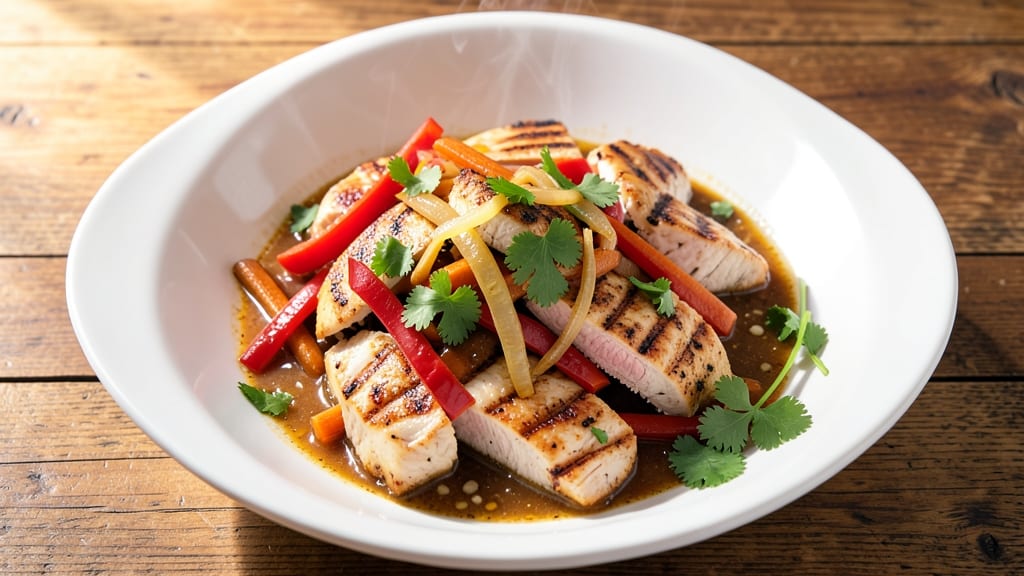
Betty Crocker's chicken stir fry recipe delivers the perfect balance of crisp-tender bites and bold flavors in just 20 minutes—a game-changer for busy weeknights. I’ve adapted this classic technique to create a version that’s foolproof yet packed with restaurant-quality depth, using simple pantry staples and minimal prep.
The secret lies in the sauce: a tangy, slightly sweet blend that caramelizes just enough to coat every piece of chicken and vegetable.
What makes this recipe stand out is its versatility—it works as a quick weeknight dinner or a crowd-pleasing meal prep solution. The chicken stays juicy and tender while the vegetables achieve that signature wok-fried crispness, all thanks to a high-heat sear in the pan.
This isn’t your average stir fry; it’s a restaurant-worthy dish that still feels effortless, with a sauce so balanced it’ll have everyone asking for seconds.
By the time you’re done, you’ll have a plate of golden-brown chicken, vibrant stir-fried vegetables, and a glossy sauce that ties everything together.
The aroma alone will have your family gathered at the table, and the first bite delivers that perfect harmony of textures—crisp edges, tender meat, and a sauce that clings just right.
Ready in under 20 minutes, this is the kind of meal that turns a rushed evening into a satisfying dinner.
For those who prefer lighter options, swap the oil for a nonstick spray or use gluten-free tamari in the sauce. The recipe scales easily, too—double the ingredients for leftovers that taste just as fresh the next day. Let’s get cooking!
Ingredients for betty crocker chicken stir fry
Pantry staples and fresh produce transform into restaurant-quality chicken stir fry in minutes.
| Ingredient | Amount | Notes |
|---|---|---|
| Boneless Skinless Chicken Breast 🍗 | 1 ½ lb | Cut into 1-inch bite-sized pieces |
| Yellow Onion 🧅 | 1 whole | Thinly sliced, about 1 cup |
| Red Bell Pepper 🍅 | 1 whole | Thinly sliced, about 1 cup |
| Carrots 🥕 | 2 medium | Julienned or thinly sliced |
| Garlic Cloves 🧄 | 4 cloves | Minced, fresh preferred |
| Vegetable Oil 🫒 | 2 tbsp | High smoke point preferred |
| Low Sodium Soy Sauce 🥢 | ½ cup | Or tamari for gluten-free |
| Honey 🍯 | 1 tbsp | Pure, not imitation |
| Rice Vinegar 🍶 | 1 tbsp | White or seasoned |
| Sesame Oil 🫒 | ½ tbsp | Toasted, for finishing |
| Toasted Sesame Seeds 🌾 | 1 tbsp | For garnish |
| Diamond Crystal Kosher Salt 🧂 | ½ tsp | Adjust to taste |
| Ground Black Pepper 🌶️ | ¼ tsp | Freshly ground |
| Cornstarch 🌾 | 1 tbsp | For tenderizing chicken |
The chicken breast cutlets should be uniform in size—1-inch pieces ensure even cooking. Costco or Walmart typically carry pre-cut boneless skinless chicken breasts, but if buying whole, trim excess fat and pound to even thickness. For the vegetables, Trader Joe's offers pre-julienned carrots and bell peppers, saving time. Fresh garlic cloves are non-negotiable here—their aroma forms the flavor base. Penzeys or local markets often carry high-quality garlic with vibrant skins, a good indicator of freshness.
No soy sauce? Coconut aminos work beautifully as a 1:1 substitute. Running low on honey? Maple syrup provides similar sweetness, though with a distinct flavor profile. The sesame oil should be toasted—Kikkoman or La Choy are reliable brands. For a gluten-free option, tamari replaces soy sauce perfectly. The cornstarch is crucial—toss the chicken pieces in it before cooking to achieve that signature crisp-tender texture. If you're meal prepping, double the sauce ingredients and store separately to maintain freshness.
Store the cooked stir fry in airtight containers for up to 4 days in the refrigerator. The sauce separates slightly when chilled—simply stir before reheating. For freezing, portion into single servings and freeze for up to 3 months. Reheat in a skillet over medium heat with a splash of water to restore crispiness. The sesame seeds and oil should be added fresh when serving to preserve their aroma. This dish reheats beautifully—often tastes even better the second day as flavors meld.
Why You'll Love This Recipe
- 20-Minute Magic: I swear by this one—slice the chicken, chop the veggies, toss in the Betty Crocker sauce packet, and stir. That’s it. No fancy techniques, just a sheet pan and 15 minutes of actual work.
- Sweet-Savory Balance: The caramelized onions and bell peppers play off the garlic so well—it’s got that umami punch without tasting like a takeout knockoff. Honestly, my picky husband asks for seconds.
- Lunchbox Hero: Between us, this is my go-to for meal prep. The chicken stays tender, the veggies hold up, and I pack it with rice in jars. My kid brings it back with the sauce packet—no complaints.
- Budget Win: Skinless chicken breasts stretch further than you’d think, and the sauce packet cuts costs without sacrificing flavor. Not the prettiest, but the taste makes up for it—and my wallet thanks me.
Step-by-step instructions for Betty Crocker's chicken stir fry
Here's the method for creating crisp-tender chicken bites with vibrant vegetables in record time.
Prepare the Chicken for Maximum Tenderness
Cut the 1.5 lb boneless skinless chicken breast into 1-inch bite-sized pieces, working quickly to maintain even size. Place the chicken pieces in a medium bowl and sprinkle evenly with the 1 tbsp cornstarch. Toss gently with your hands or a silicone spatula until each piece is lightly but thoroughly coated - this creates a protective barrier that locks in juices during cooking.
In a separate small bowl, whisk together the 0.5 cup low sodium soy sauce, 1 tbsp honey, and 1 tbsp rice vinegar. This marinade will infuse the chicken with flavor while preventing it from drying out. Let the chicken marinate for 10 minutes at room temperature while you prep the remaining ingredients - this brief resting period ensures even cooking and maximum tenderness when we sear the pieces.
Sear the Chicken Until Golden Brown
Heat 1 tbsp vegetable oil in a large skillet over medium-high heat until shimmering. Working in batches to avoid crowding, add the marinated chicken pieces and cook undisturbed for 2-3 minutes per side until golden brown and cooked through to an internal temperature of 165°F. The cornstarch coating will create a crisp exterior while keeping the interior juicy.
Remove the chicken from the skillet and set aside on a plate. Here's the thing - don't clean the skillet yet. Those precious browned bits contain concentrated flavor that will form the base of our stir fry sauce. Reduce heat to medium and add the remaining 1 tbsp vegetable oil to the same skillet.
Cook the Vegetables to Perfect Al Dente
Add the 1 cup thinly sliced yellow onion, 1 cup thinly sliced red bell pepper, and 2 medium julienned carrots to the skillet. Stir-fry for 4-5 minutes until the vegetables begin to soften but still maintain their vibrant color and slight crispness - you want them al dente with just a hint of resistance when pierced with a fork.
Add the 4 cloves minced garlic to the skillet and cook for an additional 30 seconds until fragrant. This is where the flavors really start to meld together. Immediately pour in the sauce from the chicken marinade, scraping up all those delicious browned bits from the bottom of the pan with a wooden spoon. The sauce should bubble gently and coat the vegetables evenly.
Combine and Finish with Signature Flavors
Return the cooked chicken to the skillet and stir to combine with the vegetables and sauce. Cook for an additional 2 minutes until everything is heated through and the sauce has thickened slightly. The chicken should be piping hot with a glossy sheen from the sauce.
Remove the skillet from heat and stir in the 0.5 tbsp sesame oil. This final touch adds depth of flavor and a subtle nutty aroma. Taste and adjust seasoning if needed, adding a pinch more diamond crystal kosher salt or a crack of ground black pepper to balance the flavors. The dish should be perfectly seasoned with a harmonious blend of sweet, savory, and slightly tangy notes.
Serve Immediately with Garnish
Transfer the stir fry to serving plates and garnish each portion with 1 tbsp toasted sesame seeds. The seeds add both visual appeal and a delightful crunch contrast to the tender chicken and vegetables. Serve immediately while hot - this dish is best enjoyed fresh from the skillet when the textures and flavors are at their peak.
Real talk: if you find the sauce is too thick after serving, simply stir in 1-2 tablespoons of hot water or chicken broth to reach your desired consistency. The stir fry should be vibrant, colorful, and packed with contrasting textures - crisp vegetables, tender chicken, and that perfect glossy sauce that clings to every bite.
Pro Tips For Making Betty Crocker Chicken Stir Fry
- CUT CHICKEN SMALL: The Betty Crocker recipe calls for boneless breasts, but I learned the hard way—thick slices turn rubbery. Dice them into 1-inch cubes before cooking. Smaller pieces cook faster and soak up the sauce better, so you won’t end up with dry chicken at the end.
- SWEAT ONIONS FIRST: Don’t just toss everything in raw. Start by cooking the onion and garlic in oil for 3-4 minutes until soft and translucent. This builds flavor and prevents your stir-fry from tasting like a sad, watery soup.
- SKIP THE CROWDING: The recipe might say to cook all the chicken at once, but resist. Cook in batches—2-3 minutes per batch—so the chicken stays juicy instead of steaming in its own moisture. Overcrowding is the fastest way to ruin tender chicken.
- ADD CARROTS LAST: Carrots take longer to cook, so slice them thin (¼-inch) and toss them in only in the final 2 minutes of stir-frying. If you add them early, they’ll turn to mush while the chicken and peppers stay undercooked.
Wine and beer pairings for this dish
Crisp White Wine
A dry Riesling from Germany or Washington State cuts through the stir fry's richness with its bright acidity and citrus notes. I always reach for a Dr. Loosen Blue Slate—its crisp finish cleanses your palate between bites of sweet-and-savory chicken.
The slight mineral undertones complement the soy sauce's umami depth, making each sip feel refreshing. 🍷
Light Lager Balance
For beer lovers, a Japanese lager like Asahi Super Dry or Sapporo provides the perfect lightness to match the dish's crisp textures. The subtle malt sweetness harmonizes with the honey in the sauce, while its effervescence mirrors the stir fry's vibrant energy.
Avoid heavy IPAs—they'll overpower the delicate balance of flavors. 🍺
Sauvignon Blanc Twist
If you prefer whites with a bit more character, a New Zealand Sauvignon Blanc (like Kim Crawford) adds herbal notes that echo the garlic and sesame in the stir fry.
Its zesty acidity brightens the dish, while the grapefruit undertones provide a surprising but welcome contrast to the soy sauce's saltiness. Chill it to 45°F for optimal balance. 🍇
Asian-Inspired Pairings
For a more authentic pairing, try a Chinese Shaoxing wine (like Yangling)—its nutty, earthy profile mirrors the sesame and soy flavors. If you can't find Shaoxing, a dry Riesling works as a close substitute.
The wine's depth enhances the stir fry's umami without competing. Serve slightly cooler than room temperature for the best experience. 🍶
Non-Alcoholic Option
Don't overlook sparkling yuzu soda—it delivers the same refreshing acidity as wine without alcohol. Brands like Yuzu Zinger (from Trader Joe's) offer a citrusy, effervescent alternative that pairs beautifully with the dish's sweet-and-savory profile. Garnish with a lime wedge for an extra zing. 🍋
Serving Temperature Tips
Wine should be served chilled but not ice-cold—around 45-50°F for whites and lagers. Beer should be 38-42°F to preserve its crispness. I always use an ice bucket with a towel to chill bottles quickly without over-chilling.
The right temperature makes all the difference in highlighting the stir fry's flavors. ✨
Nutrition facts
Frequently asked questions
Can I use chicken thighs instead of breasts for this recipe?
Chicken thighs work beautifully and stay juicier during cooking. Use bone-in, skin-on thighs for even more flavor—just trim the fat and cut into 1-inch pieces. You may need 1.25 lbs instead of 1.5 lbs since thighs are denser. Skip the cornstarch coating as it's less necessary for thighs.
How do I prevent the chicken from drying out?
The cornstarch coating and 10-minute marinade are key! Keep the chicken pieces uniform in size and avoid overcrowding the pan. Cook in batches if needed, and always use medium-high heat to sear quickly. For extra insurance, add 1 tbsp water or broth to the skillet when combining everything at the end.
Can I make this recipe ahead of time?
Yes, but with a few adjustments. Store components separately: cooked chicken, vegetables, and sauce in airtight containers. Reheat chicken and veggies in a skillet with 1 tbsp oil for 3-4 minutes, then add the sauce. The texture won't be as crisp, but the flavors will still shine. For best results, serve within 2 days of cooking.
What vegetables can I substitute if I don't have bell peppers?
Try snap peas, broccoli florets, or mushrooms for a different texture. Broccoli adds a nice crunch, while mushrooms absorb the sauce beautifully. For color, swap in 1 cup thinly sliced zucchini or green beans. Just adjust cooking time—mushrooms take 2 minutes less than bell peppers.
Is there a way to make this gluten-free?
Easy! Replace soy sauce with tamari or coconut aminos, and use cornstarch-free flour if needed for thickening. Check all ingredients—some brands of rice vinegar may contain wheat. The recipe maintains all its crisp-tender qualities while being completely safe for gluten-sensitive diners.