
Main Courses
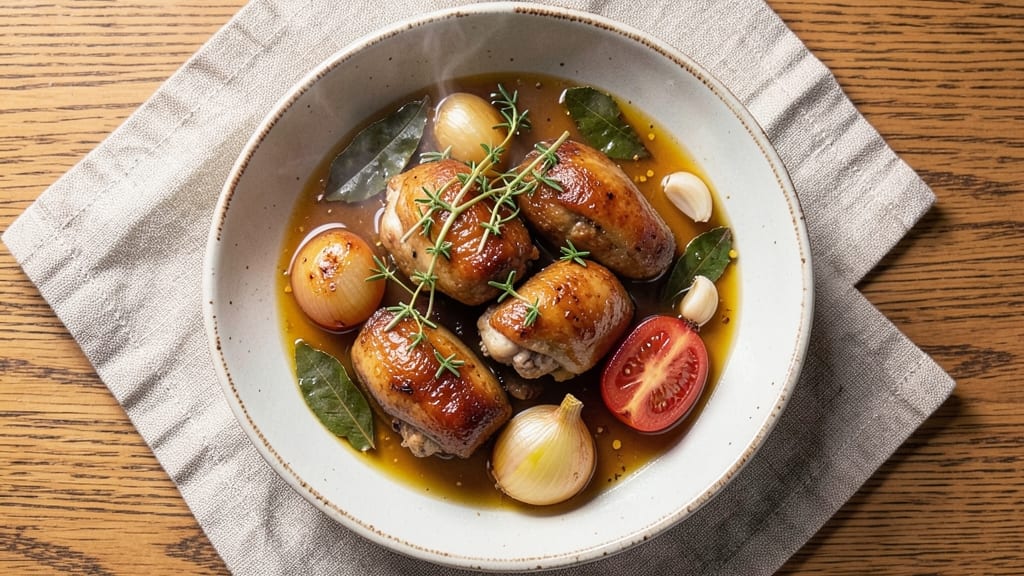
Boiled chicken gizzards might sound intimidating, but this recipe transforms them into silky-tender bites with a rich, herb-infused broth that rivals any restaurant dish. As someone who practices nose-to-tail cooking, I’ve perfected a method that ensures gizzards cook evenly without becoming rubbery—no matter how busy your kitchen gets.
The secret lies in proper preparation and a slow simmer with aromatic vegetables.
This method starts with thorough cleaning and a light brine to keep the gizzards moist, then simmers them gently in a flavorful broth of onions, garlic, and herbs until they’re fork-tender.
Unlike other recipes that rely on quick cooking, this approach ensures the meat stays tender while absorbing the broth’s deep, savory flavors. It’s a technique I’ve refined over years of working with offal at The Smoky Pig, where we never waste a single part of the animal.
By the end, you’ll have gizzards that melt in your mouth and a broth so rich it deserves its own bowl. The herbs—thyme, bay leaves, and parsley—infuse the liquid with bright, earthy notes that cut through the richness.
Serve the gizzards with crusty bread to soak up every last drop, or pair them with roasted potatoes for a hearty meal. This is comfort food at its finest, made better with a little extra effort.
The best part? This recipe scales effortlessly, whether you’re feeding a family or prepping for a meal prep week. The broth freezes beautifully, too, so you can enjoy this dish anytime you crave something nostalgic and satisfying. Let’s get started—your taste buds will thank you.
Ingredients for boiled chicken gizzard
Fresh gizzards, aromatic herbs, and a simple brine transform tough offal into restaurant-quality bites.
| Ingredient | Amount | Notes |
|---|---|---|
| Chicken Gizzards 🍗 | 1 ½ lb | Fresh, cleaned and trimmed |
| Large Yellow Onions 🧅 | 1 whole | Chopped into even pieces |
| Garlic Cloves 🧄 | 6 cloves | Peeled, smashed lightly |
| Fresh Thyme Sprigs 🌿 | 4 sprigs | Or 1 tbsp dried thyme |
| Bay Leaves 🍃 | 2 whole | Fresh if available |
| Fresh Parsley Stems 🌿 | 4 stems | Or 1 tbsp dried parsley |
| Carrots 🥕 | 2 medium | Whole, scrubbed clean |
| Celery Stalks 🥬 | 2 whole | Chopped into 2-inch pieces |
| Kosher Salt 🧂 | 2 tbsp | For brining and seasoning |
| Black Peppercorns 🌶️ | 1 tsp | Coarsely crushed |
| Apple Cider Vinegar 🍎 | ¼ cup | For brining solution |
| Cold Water 💧 | 4 cups | For brining gizzards |
| Crusty Bread 🍞 | 1 loaf | For serving (optional) |
The gizzards are the star here—look for bright red, firm ones at your butcher or grocery store’s meat counter. Costco or Whole Foods usually carry them, often pre-cleaned. If you're buying whole, soak them in cold water for 30 minutes to remove any blood or impurities. The herbs matter too—fresh thyme and parsley make all the difference, but dried works in a pinch. For the brine, use apple cider vinegar—it tenderizes better than lemon juice and adds depth. If you can't find gizzards, chicken livers work too, but they cook much faster.
No fresh herbs? Dried thyme and parsley at half the amount still work—just crush them between your palms to release the oils. Short on vinegar? White wine or even lemon juice in a pinch. The carrots and celery are just for broth flavor—skip them if you're only making broth. For the crusty bread, a baguette or sourdough from the bakery section does the trick. If you're meal prepping, double the herbs—they'll mellow out in storage. And trust me, don't skip the brining step. It's what makes these gizzards melt in your mouth.
The broth keeps for 5 days in the fridge or 3 months frozen—portion it into containers for easy reheating. Gizzards reheat beautifully—just warm them gently in the broth. For extra richness, strain and reduce the broth before freezing. The crusty bread? Toast it fresh before serving—it soaks up the broth like a dream. Leftovers? Toss them in a salad or over mashed potatoes for a protein boost.
Why You'll Love This Recipe
- Pantry-to-Pot Speed: I swear by this recipe when I’m starving but too tired to fuss—just gizzards, onions, and garlic simmering until tender. No chopping, no stress, and honestly? That’s my kind of magic.
- Umami Bomb: The thyme and bay leaves turn these gizzards into something rich and savory—like a hug in bite form. Between us, the onions caramelize just enough to add that sweet, deep flavor without extra work.
- Leftovers That Shine: Boiled gizzards reheat like a dream—toss them in rice, wrap them in tortillas, or serve them cold in salads. My lunchbox never looks the same twice, and neither does my wallet.
- Budget Hero: A whole batch costs less than takeout for two, and you get protein-packed meals for days. I’ll be real: it’s the kind of recipe that makes grocery day feel like a win, not a chore.
Step-by-step instructions for silky-tender boiled chicken gizzards
Here's how to transform tough gizzards into melt-in-your-mouth bites with aromatic broth.
Prepare the Brine for Maximum Tenderness
In a large bowl, combine the 1.5 lb chicken gizzards, the 4 cups cold water, the 2 tbsp kosher salt, and the 0.25 cup apple cider vinegar. The vinegar helps break down connective tissue while the salt penetrates the meat. Stir gently to fully submerge the gizzards, then refrigerate for at least 1 hour (up to 4 hours works best).
I know it seems counterintuitive to soak meat, but this step is what transforms tough gizzards into tender bites. The acidity and salt work together to break down proteins that would otherwise stay chewy. After brining, drain the gizzards and rinse them thoroughly under cold water before proceeding.
Build the Flavor Base with Aromatics
In a large pot with a tight-fitting lid, combine the chopped large yellow onions, the 6 cloves smashed garlic, the 2 medium carrots (cut into 2-inch chunks), and the 2 whole celery stalks (chopped into 2-inch pieces). Add 4 cups fresh cold water to the pot. Bring to a boil over medium-high heat, then immediately reduce to a simmer.
Let the vegetables cook uncovered for 10 minutes to draw out their natural sweetness and develop flavor. This aromatic base will infuse the broth with depth. Meanwhile, prepare the herb bundle by tying together the 4 sprigs fresh thyme, 2 whole bay leaves, and 4 stems fresh parsley with kitchen twine. This keeps the herbs intact and easy to remove later.
Simmer the Gizzards Until Fork-Tender
Add the brined gizzards to the simmering pot along with the herb bundle. Stir gently to combine, then maintain a gentle simmer (small bubbles, not rolling boil) for 45-50 minutes. The key here is patience - gizzards need time to break down their connective tissue.
Here's what to watch for: the gizzards should float to the surface when they're nearly done. They're ready when they easily pull apart with a fork and the broth has reduced slightly but still coats the back of a spoon. If you lift a gizzard and it feels firm, give it another 10 minutes of cooking time.
Finish with Seasoning and Resting
Once the gizzards are tender, remove them from the pot using a slotted spoon and transfer to a serving platter. Discard the herb bundle. To the broth, add the coarsely crushed 1 tsp black peppercorns and stir gently. Let the broth simmer uncovered for an additional 5 minutes to allow the pepper to infuse its aroma.
The gizzards will continue cooking slightly from residual heat, so don't overcook them. Let them rest for 5 minutes before serving - this allows the juices to redistribute, ensuring each bite is moist and flavorful. The final broth should be rich and aromatic with visible herbs suspended in it.
Serve with Crusty Bread
Serve the gizzards immediately with the herb-infused broth ladled over the top. The bread is optional but perfect for soaking up every last drop of that flavorful liquid. Each bite should offer tender, juicy gizzard with layers of onion, garlic, and herb flavors in every mouthful.
For best results, serve this dish while everything is hot. The contrast between the tender gizzards and the warm, aromatic broth creates a truly satisfying meal. Leftovers can be refrigerated for up to 3 days, but the texture is best enjoyed fresh.
Pro Tips For Making Boiled Chicken Gizzard
- BLEACH THE GIZZARDS FIRST: Skip the bleach? You’re fighting an uphill battle. Soak gizzards in 1 cup vinegar or lemon juice with 1 tablespoon baking soda for 30 minutes—this loosens grime and pre-tenders them. Rinse well afterward, or your broth will taste like a science experiment gone wrong.
- SIMMER, DON’T BOIL: High heat turns gizzards rubbery. Once water covers them, lower to a bare simmer—tiny bubbles, maybe 180°F (82°C). I learned this the hard way after serving a batch that felt like chewing on a shoe sole.
- CRUSH GARLIC, DON’T MINCE: Whole cloves hide in the broth; minced burns fast. Smash 6–8 cloves with the flat side of a knife before adding. The flavor infuses deeper, and you won’t spend 10 minutes fishing for them later.
- SAVE THE ONION WATER: Don’t drain those onion-soaked gizzards into the trash. Strain the cooking liquid through a fine mesh, then reduce it by half. Pour it back over the gizzards at the end—the caramelized onion depth makes all the difference. (Yes, even if you’re impatient like me.)
Essential equipment for this dish
Pot Selection Matters
For this recipe, I swear by a heavy-bottomed Dutch oven—like my Le Creuset 6-quart—because it distributes heat evenly and prevents hot spots that can make gizzards cook unevenly.
If you don’t have one, a stainless steel stockpot with a tight-fitting lid works too, but avoid nonstick—it can’t handle the long simmer and may release harmful fumes.
The key is depth: a pot with at least 2 inches of headspace above the gizzards ensures they cook gently without boiling over. 🌡️
Essential Tools for Prep
Start with a sharp chef’s knife (I use my Wüsthof 8-inch) to trim any excess fat or connective tissue from the gizzards—this speeds up cooking and improves texture.
A fine-mesh strainer is a must for rinsing the brined gizzards thoroughly, and a kitchen twine bundle keeps your herbs intact while simmering.
For measuring, grab a liquid measuring cup (for the broth) and a kitchen scale if you want precision with the gizzards—1.5 lbs is ideal for 4 servings.
Temperature Control
You’ll need a thermometer—I recommend the ThermoWorks Dot—to monitor the broth temperature. The gizzards should simmer at 180–190°F (gentle bubbles, not a rolling boil). This low-and-slow approach breaks down connective tissue without drying out the meat.
If your pot lacks a lid thermometer, use the finger test: dip your finger in the broth—it should feel warm, not hot. Overheating = tough gizzards. ⚡
Optional Upgrades
For next-level flavor, invest in a mortar and pestle to crush the black peppercorns fresh—this releases more aroma than pre-ground pepper. A fine-mesh skimmer makes removing the gizzards from the broth effortless without breaking them apart.
And if you’re making this often, a large colander with feet (like the OXO Good Grips) keeps your sink dry while rinsing the gizzards post-brine. Trust me, these small upgrades make a big difference.
Broth Straining Gear
If you plan to repurpose the broth (for soups, grains, or freezing), a fine-mesh sieve or cheesecloth lets you strain out herbs and vegetables while keeping the liquid cloudy and flavorful.
For a clear broth, use a double strainer or chinois, but save the cloudy version for this recipe—it’s packed with body and flavor. I also keep a glass jar nearby to store the herb bundle before tying it up, so I can adjust the aromatics as needed. 💡
Nutrition facts
Frequently asked questions
Why do I need to brine chicken gizzards before boiling them?
The brine breaks down tough connective tissue and adds moisture, preventing dry, rubbery results. The apple cider vinegar in the brine tenderizes the meat while the salt enhances flavor. Skipping this step often leads to chewy gizzards, even after long simmering.
Can I substitute chicken livers for gizzards in this recipe?
Yes, but they require different cooking times. Livers cook in 8-10 minutes while gizzards need 45-50 minutes. For best results, reduce simmering time by 80% and use a meat thermometer (160°F for livers). The herb broth works beautifully with either.
What's the best way to store leftover gizzard broth?
Cool the broth completely, then transfer to airtight containers. It keeps for 5 days refrigerated or 3 months frozen. For freezing, leave 1-inch headspace to prevent ice crystals. Reheat gently on low heat—never microwave directly from frozen.
How do I know when the gizzards are done?
They're ready when they float to the surface and easily pull apart with a fork. The internal temperature should reach 165°F. If they feel firm when testing, give them another 10 minutes of simmering. Overcooking makes them tough.
Can I use this broth for other recipes?
The herb-infused broth makes excellent soup bases, rice dishes, or gravies. Strain out solids if you prefer a clear liquid. For extra richness, reduce the broth by half before using. The flavor pairs well with potatoes, dumplings, or crusty bread.