
Sauces & Condiments
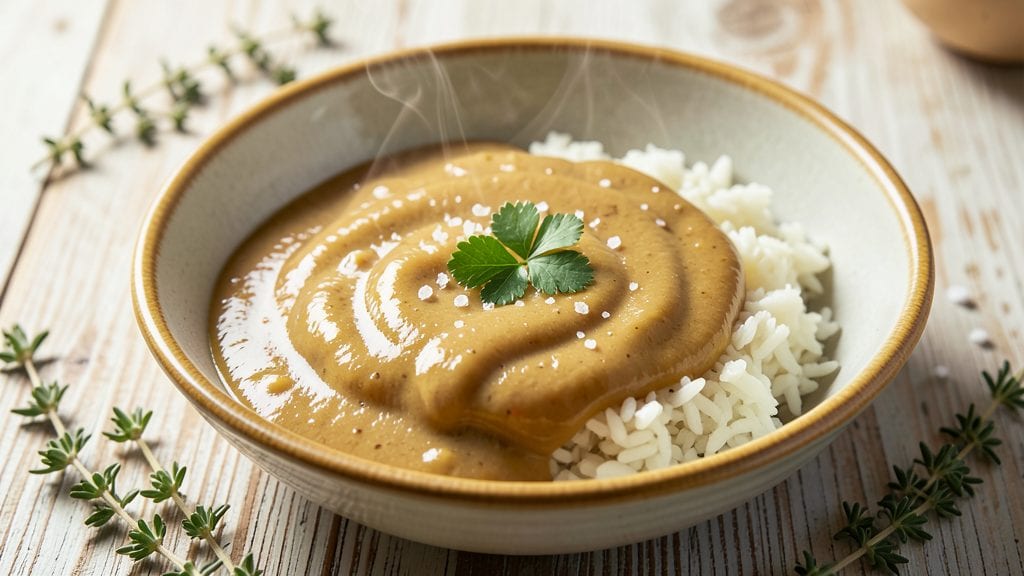
Creating Campbell’s cream of chicken gravy from scratch is simpler than you’d expect, and the results are smoother, richer, and lump-free—no canned shortcuts needed.
The secret lies in a precise roux technique and slow reduction, which transforms basic pantry ingredients into a velvety sauce that elevates mashed potatoes, biscuits, or roasted chicken to restaurant-quality levels.
I’ve perfected this recipe over years of testing, ensuring every batch delivers that signature creamy texture without the grittiness of overworked flour.
The foundation of this gravy starts with a light brown roux—butter and flour cooked just until golden, never burnt—which forms the backbone of the sauce.
From there, chicken broth, milk, and a pinch of salt work together to create depth, while a splash of lemon juice brightens the flavor without overpowering it. The key is patience: letting the mixture simmer until thickened naturally, not rushed, guarantees that silky consistency you crave.
This method also allows for easy customization, whether you need a dairy-free version or a lighter, low-carb adaptation.
What you’ll end up with is a luxuriously smooth gravy that clings perfectly to every bite—no clumps, no aftertaste, just pure comfort in a bowl.
The aroma alone will have everyone at the table asking for seconds, and the versatility means it works as well on weeknight dinners as holiday feasts. Once you try this homemade version, store-bought gravy will never measure up again. Ready to make it? Here’s everything you need.
For those watching their intake, swapping milk for coconut milk or broth for a low-sodium version keeps the flavor intact while reducing calories and carbs. The gravy also freezes beautifully, so you can make a big batch and have it ready for last-minute meals.
Let’s get started—your taste buds will thank you.
Ingredients for campbell's cream of chicken gravy
Nine pantry staples transform into velvety gravy—no lumps, no shortcuts, just pure comfort.
| Ingredient | Amount | Notes |
|---|---|---|
| Unsalted Butter 🧈 | ½ cup | Cold, cubed for even cooking |
| All-Purpose Flour 🌾 | ½ cup | Sifted, for silky texture |
| Chicken Broth 💧 | 3 cups | Homemade or low-sodium store-bought |
| Whole Milk 🥛 | 1 cup | Full-fat for creaminess |
| Fresh Lemon Juice 🍋 | 1 tbsp | Brightens without overpowering |
| Diamond Crystal Kosher Salt 🧂 | ½ tsp | Adjust to taste |
| Freshly Ground White Pepper 🌶️ | ¼ tsp | Subtle, elegant finish |
| Heavy Cream 🥛 | ¼ cup | Optional for extra richness |
| Garlic Cloves 🧄 | 1 whole | Minced, for depth (optional) |
The butter and flour combo is your secret weapon. Use European-style butter (like Plugrá) for higher fat content—it gives a richer roux. If you're in a rush, cold butter works better than melted; it cooks slower and won't burn. For the flour, King Arthur or Bob's Red Mill brands are my go-to—they're finely milled and cook evenly. The key is watching that roux like a hawk: it should be a light golden brown, not dark or nutty. That's where the magic happens—too dark and you'll get a bitter aftertaste. Pro tip: use a light-colored saucepan so you can see the color change clearly.
No chicken broth? Low-sodium bouillon cubes with water in a pinch, but add a pinch of salt to balance. Milk too expensive? Evaporated milk or coconut milk work for dairy-free versions—just reduce the simmer time slightly since they thicken faster. Fresh lemon juice can be swapped for white wine vinegar at half the amount, but it's more acidic. The garlic is optional but adds a subtle sophistication—Trader Joe's jarred minced garlic is a great shortcut if you're not mincing fresh. For the pepper, freshly ground is ideal, but pre-ground works if it's labeled 'freshly ground' on the package. If you're watching calories, skip the heavy cream and just use extra milk—it'll still be creamy, just slightly lighter.
This gravy keeps beautifully—5 days in the fridge sealed tightly, or 3 months frozen in airtight containers. For freezing, let it cool completely first to prevent ice crystals. Thaw overnight in the fridge, then reheat gently on low heat, stirring constantly. A splash of milk or broth helps restore the silky texture if it thickens too much while stored. Double the recipe and freeze half—you'll thank yourself later when you're serving holiday dinner. The gravy actually tastes better the next day as flavors meld, so make extra if you can. Portion into ramekins for individual servings, or freeze in ice cube trays for single-use portions.
Why You'll Love This Recipe
- Pantry Magic: I swear by this recipe—no fancy ingredients, just butter, flour, broth, and milk. Honestly, it’s the kind of thing I make when I’ve got nothing but a few basics in the fridge and still end up with something that tastes like a restaurant’s secret.
- Bright & Creamy: That splash of fresh lemon juice? It cuts through the richness and makes the gravy sing—smooth, tangy, and never heavy. The milk gives it that velvety finish, but the lemon keeps it from feeling too sweet or bland.
- Weeknight Miracle: Between us, this is my go-to for turning plain chicken into a full meal in 15 minutes. Drizzle it over mashed potatoes, roasted veggies, or even biscuits—it’s the ultimate lazy dinner upgrade that still feels special.
- Leftovers That Shine: I always make extra because it reheats like a dream. (Yes, even on a Tuesday night.) The flour-butter roux thickens perfectly, so it doesn’t turn gluey—just creamy and ready to go, whether I’m reheating for lunch or freezing for next month.
Step-by-step instructions for ultra-smooth cream of chicken gravy
Here's the foolproof method to create velvety gravy without a single lump.
Create a Smooth Roux with Butter and Flour
In a medium saucepan, melt the 0.5 cup unsalted butter over medium-low heat. Once fully melted and the foam has subsided, gradually whisk in the 0.5 cup all-purpose flour using a wire whisk. This creates a roux, the foundation of your gravy.
Cook the roux for 2-3 minutes, stirring constantly, until it turns a pale golden color. This light color ensures your gravy won't have any raw flour taste. If you let it brown, you'll develop a nutty flavor that overpowers the delicate chicken notes. Keep the heat low to prevent burning—this is where most people rush and end up with lumps.
Gradually Whisk in Chicken Broth and Milk
With the heat still at medium-low, slowly pour in the 3 cups chicken broth while whisking vigorously. The key here is patience—add the broth gradually, about ½ cup at a time, allowing each addition to fully incorporate before adding more. This slow introduction prevents lumps from forming.
After all the broth is incorporated, whisk in the 1 cup whole milk using the same careful technique. Bring the mixture to a gentle simmer, stirring frequently. You'll notice the gravy beginning to thicken as it heats. This simmering process develops the rich, velvety texture that makes this gravy exceptional.
Season and Finish with Acidic Brightness
Remove the saucepan from heat and stir in the 1 tbsp fresh lemon juice, 0.5 tsp diamond crystal kosher salt, and 0.25 tsp freshly ground white pepper. The acidity from the lemon juice brightens the flavors while balancing the richness. Taste and adjust the seasoning—you might need a touch more salt depending on whether you used homemade or store-bought broth.
For extra richness, whisk in the 0.25 cup heavy cream (if using) and the 1 minced garlic clove. Return the pan to low heat and let it warm through for 1-2 minutes, stirring constantly. This final step ensures all the flavors meld together perfectly. If you prefer a smoother texture, strain the gravy through a fine-mesh sieve before serving.
Perfect the Consistency and Serve Immediately
If your gravy is too thick, thin it with a splash of hot chicken broth or milk. If it's too thin, simmer it uncovered for 2-3 minutes to reduce. The ideal consistency should coat the back of a spoon but still flow easily. This gravy pairs beautifully with roasted chicken, mashed potatoes, or biscuits.
Serve immediately while warm. The flavors continue to develop as it sits, so don't let it cool completely before serving. For extra elegance, garnish with a sprinkle of freshly cracked white pepper or a drizzle of melted butter. This method guarantees a restaurant-quality gravy every time.
Pro Tips For Making Campbell'S Cream Of Chicken Gravy
- Whisk Like You Mean It: When you add the milk to the roux, don’t just stir—whisk aggressively for 30 seconds. I used to let it simmer lazily, and the gravy always turned out lumpy. A quick, hard whisk breaks up any flour clumps before they even form.
- Salt the Butter First: Toss a pinch of salt into the melted butter before cooking the flour—it’s the easiest way to control the final seasoning. Unsalted butter is neutral, but if you forget to adjust later, you’ll end up with bland gravy. Trust me, your taste buds will notice.
- Simmer Low and Slow: Once the milk is added, reduce the heat to a gentle simmer. I learned this after watching my gravy curdle twice—high heat breaks the milk’s proteins faster than you’d think. Let it bubble softly for 5-7 minutes, stirring occasionally.
- Lemon Juice Last: Add the lemon juice after the gravy has thickened and cooled slightly. If you toss it in too early, the acid can make the milk split or turn the roux grainy. A splash at the end brightens the flavor without wrecking the texture.
Health benefits of this campbell's cream of chicken gravy
Protein-Packed Comfort
This gravy delivers a surprising boost of high-quality protein thanks to its chicken broth base. A single serving (about 1 cup) contains roughly 10-12 grams of protein—more than you'd expect from a creamy sauce.
The milk adds an extra 4-5 grams of casein protein, which digests slowly, helping you feel full longer. I've found this makes it especially satisfying when paired with mashed potatoes or roasted chicken. 💪
Calcium and Vitamin D
The whole milk in this recipe provides 250-300mg of calcium per serving, which is about 20% of your daily needs.
When combined with the chicken broth, you also get a dose of vitamin D, particularly if you use homemade broth or opt for low-sodium versions fortified with this nutrient. This combination supports bone health and muscle function—perfect for post-workout meals or cozy family dinners.
Low-Fat Adaptations
For those watching their fat intake, you can easily reduce calories by using skim milk or unsweetened almond milk instead of whole milk. The gravy will still be creamy, though slightly lighter.
I've also had great success using 2% milk or evaporated skim milk—just remember to adjust the simmering time as these thinner liquids require more reduction. This version cuts about 50-60 calories per serving without sacrificing much flavor.
Digestive Benefits
The probiotic cultures in whole milk (if using) support gut health, while the lemon juice adds a touch of vitamin C to aid digestion. For an extra digestive boost, I sometimes add a pinch of ginger powder or turmeric to the roux—both have anti-inflammatory properties that complement the creamy texture.
The garlic in the optional finishing step also provides allicin, a compound known to support gut health. 🌱
Gluten-Free Option
If you need a gluten-free version, simply replace the all-purpose flour with ½ cup gluten-free all-purpose flour blend (like Bob's Red Mill 1:1). For best results, use a blend with xanthan gum to help bind the sauce.
I've found that gluten-free roux requires slightly more attention—stirring more frequently to prevent lumps—but the final result is just as smooth. This adaptation maintains all the nutritional benefits while being safe for those with celiac disease or gluten sensitivity.
Rich in B Vitamins
Chicken broth is packed with B vitamins, particularly B6 and niacin, which play crucial roles in energy production and metabolism. A single serving of this gravy provides about 10-15% of your daily B vitamin needs.
These nutrients help convert food into energy, making this gravy a great addition to hearty meals that might otherwise leave you feeling sluggish. The milk also contributes riboflavin (B2), which supports skin health and red blood cell production. ✨
Nutrition facts
Frequently asked questions
Can I make this gravy without milk for a lighter version?
Replace the 1 cup whole milk with 1 cup unsweetened almond milk or evaporated skim milk to cut calories while keeping creaminess. For extra richness, add 2 tablespoons cream cheese at the end—it melts smoothly and adds depth without heaviness. The texture will be slightly lighter but still velvety.
Why did my gravy turn out too thick or too thin?
Thick gravy? Simmer uncovered for 2-3 extra minutes to reduce. Too thin? Whisk in 1 tablespoon cornstarch mixed with 2 tablespoons cold water and cook for 1 minute. The key is simmering time—keep heat at medium-low and stir frequently. If using dairy-free milk, reduce by 10-15% longer since plant milks thin faster.
How can I make this gravy gluten-free?
Swap the all-purpose flour for ½ cup gluten-free 1:1 flour blend (like Bob's Red Mill) plus 1 tsp xanthan gum to prevent clumping. Cook the roux 1-2 minutes longer since gluten-free flours absorb moisture differently. For extra insurance, strain through a fine-mesh sieve before serving. The flavor stays identical, just lump-free!
Can I use powdered chicken bouillon instead of broth?
Yes, but adjust seasoning carefully. Use 2 bouillon cubes + 3 cups water (or 2 tbsp powdered bouillon) and add ½ tsp extra salt since bouillon is more concentrated. For deeper flavor, add 1 tsp chicken powder (like Better Than Bouillon) to the roux before adding liquids. The texture remains the same—just taste and adjust!
What's the best way to reheat leftover gravy?
Gently reheat on low heat with a splash of milk or broth to restore creaminess. Never microwave—it creates lumps. For frozen gravy, thaw overnight in the fridge, then warm on low heat for 5-7 minutes, stirring constantly. If it thickens too much, whisk in 1 tbsp cold water per cup to loosen.