
Sauces & Condiments
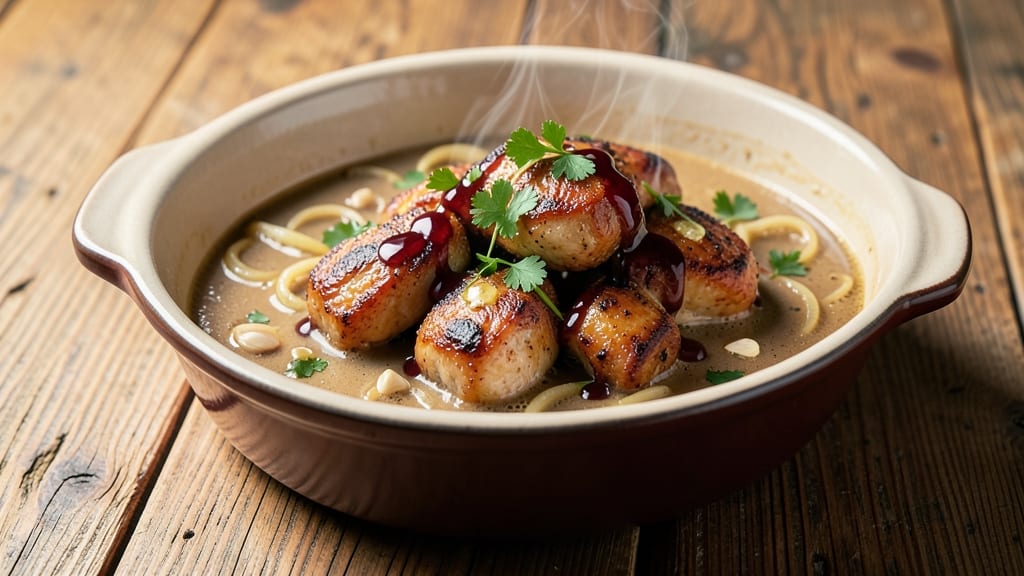
Transforming chicken gizzard gravy into a restaurant-worthy pan sauce is simpler than you think—this recipe delivers deep, savory richness in just 20 minutes using ingredients you likely already have.
The secret lies in properly preparing the gizzards (yes, cleaning them first!) and reducing the pan drippings with precise seasoning to create a velvety, flavor-packed sauce that elevates any protein.
What sets this gravy apart is its foolproof technique for balancing meaty depth with smooth texture, avoiding the common pitfalls of grainy or overly thick sauces.
Start with a quick sear to render fat, then deglaze with broth and a splash of vinegar for brightness—this ensures a glossy finish that coats every bite. The result? A savory pan sauce so rich it turns simple roasted chicken or steak into a showstopper.
Serve this gravy over mashed potatoes or buttery biscuits for a Southern-style meal, or drizzle it generously over grilled meats for an instant flavor boost. The versatility doesn’t stop there—it’s equally at home with roasted vegetables or even as a dipping sauce for crusty bread. Let’s get cooking!
Fair warning: once you taste this gravy, you’ll never settle for store-bought again. The key is patience during the reduction—let it simmer until it thickens naturally, then adjust with a cornstarch slurry if needed. Trust the process, and you’ll have a restaurant-quality sauce that’s worth every minute of effort.
Ingredients for chicken gizzard gravy
Pantry staples plus a few key ingredients—this gravy transforms humble gizzards into restaurant-worthy richness.
| Ingredient | Amount | Notes |
|---|---|---|
| Chicken Gizzards 🍗 | 1 ½ lb | Cleaned and trimmed of fat |
| Unsalted Butter 🧈 | 4 tbsp | High quality, cold for searing |
| Yellow Onion 🧅 | 1 whole | Diced into small pieces |
| Garlic Cloves 🧄 | 4 cloves | Minced into fine paste |
| Chicken Broth 💧 | 1 ½ cups | Homemade or quality low-sodium |
| White Wine Vinegar 🍋 | 2 tbsp | For brightness and acidity |
| All-Purpose Flour 🌾 | 1 tbsp | For thickening slurry |
| Cold Water 💧 | 1 tbsp | For cornstarch slurry |
| Diamond Crystal Kosher Salt 🧂 | 1 ½ tsp | Adjust to taste |
| Freshly Ground Black Pepper 🌶️ | ½ tsp | Freshly cracked preferred |
| Fresh Thyme Leaves 🌿 | ¼ tsp | Or 1/4 tsp dried thyme |
| Fresh Parsley 🌿 | 2 tbsp | Chopped for garnish |
The gizzards are the star, so don't skimp on quality. Local butchers often sell them at a fraction of the price—ask for them fresh, not frozen. If you're squeamish about cleaning, soak them in cold water with vinegar for 30 minutes first, then scrub gently. The butter matters too—European-style or grass-fed gives the best flavor. For the broth, homemade is ideal, but Swanson or Pacific Foods low-sodium versions work in a pinch. The vinegar? White wine vinegar adds brightness without overpowering.
No wine vinegar? Apple cider vinegar or lemon juice works just as well. Short on thyme? Dried thyme at one-third the amount gets you close. The flour slurry is key for that silky texture—cornstarch works too if you prefer. For a deeper flavor, add a splash of Worcestershire sauce with the broth. The parsley is just for garnish, but it makes plating look professional. If you're making a big batch, double the slurry ingredients—it keeps beautifully in the fridge.
This gravy reheats like a dream—just warm it gently on the stove, stirring often. Keeps for 5 days in the fridge or 3 months frozen. I like to portion it into small jars so I can grab exactly what I need. For extra richness, stir in a pat of cold butter at the end. The flavor only gets better as it sits, so make extra if you can.
Why You'll Love This Recipe
- Pantry-Friendly Base: I swear by this recipe when I forget to buy fresh ingredients—just gizzards, butter, and broth. That rich onion-garlic foundation builds flavor in 10 minutes while you’re still chopping veggies for the rest of dinner.
- Deep Umami Magic: The gizzards simmer into something so tender and savory, the broth turns into liquid gold. Honestly, that first spoonful of gravy—thick, garlicky, with a hint of caramelized onion—is my favorite part of the whole meal.
- Leftovers That Shine: This gravy tastes even better the next day, especially when reheated with a splash of broth. I make double batches on Sundays because it’s the star of my weeknight biscuits or mashed potatoes—no one guesses it’s budget-friendly.
- Weeknight Workhorse: Between us, this is my go-to when I’m too tired to fuss. Brown the gizzards, toss in the aromatics, add broth, and walk away. By the time the timer goes off, dinner’s basically ready—just plate it with whatever you’ve got.
Step-by-step instructions for chicken gizzard gravy
Here's how to transform tough gizzards into a velvety, restaurant-worthy sauce.
Sear the Gizzards Until Deeply Browned
Pat the 1.5 lb chicken gizzards completely dry with paper towels—this ensures maximum browning. Heat 2 tbsp of the 4 tbsp unsalted butter in a heavy skillet over medium-high heat until foaming. Add the gizzards in a single layer and sear undisturbed for 3-4 minutes per side until they develop a deep golden-brown crust. You'll smell that irresistible meaty aroma—this is your signal they're ready.
Real talk: don't overcrowd the pan or the gizzards will steam instead of sear. If needed, work in batches, keeping the first batch warm in a 200°F oven. Once browned, transfer the gizzards to a plate and tent loosely with foil. They'll continue cooking slightly from residual heat.
Build Flavor with Aromatics and Vinegar
In the same skillet (no need to wipe it clean—those browned bits are pure flavor), melt the remaining 2 tbsp unsalted butter over medium heat. Add the diced 1 whole yellow onion and cook for 5-6 minutes until softened and translucent. Add the 4 cloves minced garlic cloves and cook for 30 seconds until fragrant—you want that garlic to dance, not burn.
Deglaze the pan immediately with the 2 tbsp white wine vinegar, scraping up all those delicious browned bits from the bottom. Let it simmer for 2 minutes until the vinegar reduces by half. This step cuts through the richness and brightens the final gravy. The acidity will also help tenderize any residual chewiness in the gizzards.
Create the Thickening Slurry
In a small bowl, whisk together the 1 tbsp all-purpose flour and 1 tbsp cold water to create a smooth slurry. This simple cornstarch-free technique gives you professional-level control over thickness. Return the skillet to medium heat and gradually whisk in the flour slurry, stirring constantly for 1-2 minutes until the mixture thickens and coats the back of a spoon.
Here's the thing—you want the slurry to thicken just enough to coat the pan before adding the broth. If it gets too thick too soon, add a splash of the 1.5 cups chicken broth to loosen it. The goal is a smooth, glossy base that's ready to absorb the gizzard's natural flavors.
Simmer and Reduce for Maximum Flavor
Pour in the 1.5 cups chicken broth, scraping up any remaining browned bits from the pan. Return the gizzards to the skillet, add the 1.5 tsp diamond crystal kosher salt and 0.5 tsp freshly ground black pepper, then bring to a gentle simmer. Cover and cook for 15-20 minutes, stirring occasionally, until the gizzards are fork-tender and the sauce has reduced by about 25%. You'll see the sauce transform from thin to rich and velvety.
Strain the gravy through a fine-mesh sieve into a clean saucepan, pressing on the gizzards to extract maximum flavor. Discard the gizzards or shred them for another use if desired. The strained gravy should coat the back of a spoon with a silky, glossy finish—this is your quality checkpoint. If it's too thick, whisk in 1-2 tbsp hot water to reach your desired consistency.
Finish and Garnish Professionally
Return the strained gravy to medium-low heat and stir in the 0.25 tsp fresh thyme leaves. Let it simmer for 2-3 minutes to infuse the delicate thyme flavor without overpowering the dish. Remove from heat and stir in the 2 tbsp chopped fresh parsley just before serving—this adds freshness and a pop of color that makes the gravy look restaurant-worthy.
Taste and adjust seasoning with additional salt or pepper if needed. The gravy should be rich, savory, and perfectly balanced with acidity from the vinegar. Serve immediately over mashed potatoes, biscuits, or crusty bread to soak up every last drop of that luxurious sauce.
Pro Tips For Making Chicken Gizzard Gravy
- BLANCH GIZZARDS FIRST: Skip the raw gizzards straight into the pan—you’ll end up with a bitter, rubbery mess. Drop them in boiling water for 5 minutes, then shock in ice water. This removes grit and toughens the skin just enough to crisp later. (Yes, it’s an extra step, but your gravy will taste like it came from a Southern grandma’s kitchen.)
- COOK ONIONS LOW AND SLOW: I used to rush the onions and garlic, and they’d turn to ash before adding broth. Instead, sweat them in butter on low heat for 15 minutes—until they’re golden and jammy. This builds flavor without burning, and your gravy won’t taste like charred regret.
- STRAIN THE BROTH TWICE: Store-bought broth is full of sediment that makes gravy look cloudy. After simmering, strain it through a fine-mesh sieve and a cheesecloth for a silky texture. (I know, it’s tedious, but your gravy will look restaurant-worthy—and taste richer.)
- DEGLAZE WITH A SPLASH OF WINE: Swap half the broth for dry white wine when deglazing the pan. The acid cuts through the butter’s richness and brightens the gizzard flavor. Just reduce it down first—no one wants boozy gravy. (Trust me, even if you’re not a wine drinker.)
Creative variations of these flavors
Southern Comfort Style
Transform this gravy into a classic Southern dish by serving it over creamy mashed potatoes with a side of buttery biscuits. I like to brush the biscuits with extra melted butter and sprinkle them with flaky sea salt before baking.
The contrast of the flaky biscuit crust with the rich, velvety gravy is pure comfort food magic. 🍽️
Global Fusion Twist
For a modern twist, stir 1 tbsp of soy sauce and ½ tsp of ginger into the finished gravy to create an Asian-inspired version. Serve it over jasmine rice or steamed bok choy for a fusion dish that balances savory and umami flavors.
Garnish with sesame seeds and scallions for a pop of color and texture.
Spicy Kick Variation
Add ½ tsp of smoked paprika and ¼ tsp of cayenne pepper to the pan while building the aromatics for a smoky, spicy gravy. For extra heat, stir in 1 tbsp of hot sauce (like Crystal or Tabasco) just before serving.
This version pairs perfectly with cornbread or grilled corn on the cob. 🌶️
Herb-Infused Version
Swap the thyme for 1 tbsp of fresh rosemary or 1 tsp of dried sage for an earthy, aromatic twist. The rosemary adds a piney note that complements the richness of the gizzards beautifully.
I also like to finish with a sprinkle of toasted pine nuts for added crunch and a touch of gourmet flair.
Vegetarian Adaptation
For a vegetarian-friendly version, replace the gizzards with mushroom stems (the tough parts) or hearts of palm. Follow the same searing and deglazing steps, but reduce the cooking time to 10 minutes since mushrooms cook faster.
The gravy will still be rich and savory, perfect for drizzling over roasted vegetables or polenta.
Holiday Feast Upgrade
Elevate your holiday table by using this gravy as a dipping sauce for oyster crackers or crusty bread. For a festive touch, stir in 1 tsp of Worcestershire sauce and a pinch of nutmeg before serving.
The nutmeg adds warmth that pairs perfectly with the richness of the gravy, making it a showstopper for Thanksgiving or Christmas dinners. 🎄
Nutrition facts
Frequently asked questions
Why do I need to clean chicken gizzards before cooking?
Cleaning removes any remaining feathers, blood, or debris that can make your gravy bitter or gritty. Soak them in cold water with vinegar for 30 minutes, then scrub gently with a brush. The extra effort ensures a smooth, flavorful sauce without any unpleasant textures.
Can I make this gravy without gizzards?
Use 1.5 lbs of chicken thighs or drumsticks instead, following the same searing and deglazing steps. For a vegetarian version, try mushroom stems or hearts of palm—just reduce cooking time to 10 minutes since they cook faster. The technique works for any protein!
How do I fix gravy that's too thin or too thick?
For thin gravy, whisk in 1 tbsp of cold water or 1 tsp cornstarch slurry> (1:1 cornstarch/water) to thicken. If it's too thick, thin it with 1-2 tbsp hot broth or water, stirring constantly. The key is patience—let it simmer until it naturally reduces to your desired consistency.
Can I make this gravy ahead of time?
Yes! Gravy reheats beautifully. Store it in an airtight container in the fridge for 5 days or freeze for 3 months. To reheat, warm it gently on the stove, stirring often. For extra richness, stir in a pat of cold butter at the end. The flavors deepen as it sits, so it often tastes even better the next day.
What's the best way to serve leftover gizzards?
Shred the cooked gizzards and mix them into the gravy for a hearty, protein-packed sauce. You can also chop them into tacos, pasta dishes, or even fried rice. For a quick meal, serve them on toasted bread with extra gravy drizzled on top. Don't waste those flavorful leftovers!