
Main Courses
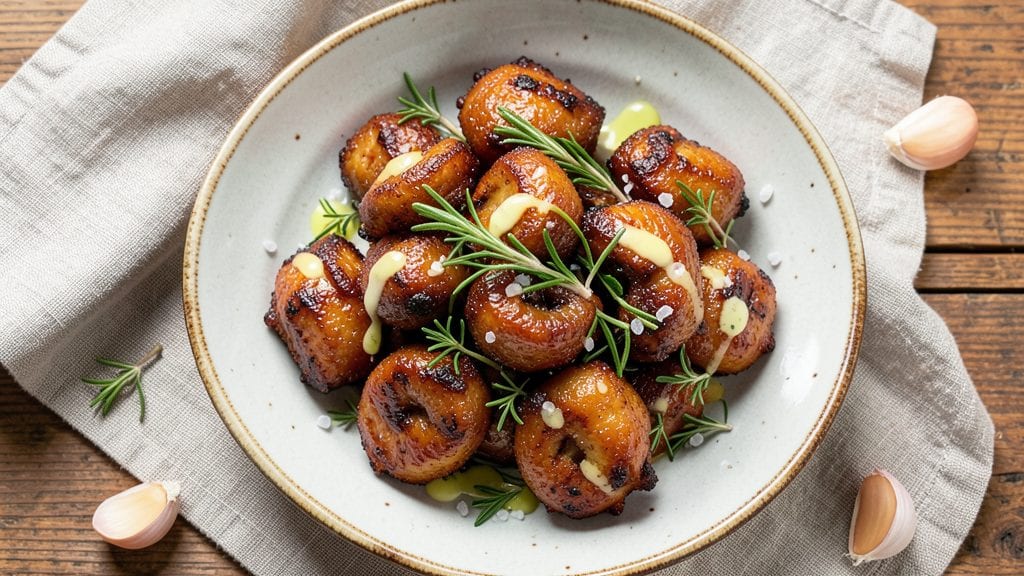
Mastering chicken gizzards transforms overlooked offal into a crispy, restaurant-worthy dish that rivals any Sunday roast. I spent weeks perfecting this method after my grandmother showed me how to handle them properly—no more rubbery, gamey results.
The secret lies in proper preparation and a herbed butter that elevates every bite.
This recipe starts with thorough cleaning and trimming, ensuring tender texture before pan-frying until golden brown. With just 30 minutes of active time, you'll achieve crispy edges and juicy centers that disappear faster than you can say "second helping." The herbed butter adds depth without overpowering the natural flavor.
By the end, you'll have a dish that's rich, satisfying, and packed with protein—perfect for weeknight dinners or special occasions. Serve with roasted potatoes or crusty bread to soak up every last bit of that herbed butter. Let's get cooking!
Fair warning: once you try this method, you'll never buy gizzards pre-cooked again. They're one of nature's most underrated ingredients when prepared correctly. The crispy exterior gives way to tender, flavorful meat that pairs beautifully with bold seasonings.
Ingredients for chicken gizzard
Crispy gizzards start with proper prep and herbed butter—just 11 ingredients, maximum flavor.
| Ingredient | Amount | Notes |
|---|---|---|
| Fresh Chicken Gizzards 🍗 | 1 ½ lb | Cleaned, trimmed, membrane removed |
| Unsalted Butter 🧈 | ½ cup | Cold, cut into 1-inch cubes |
| Fresh Rosemary 🌿 | ¼ cup | Finely chopped, stems removed |
| Fresh Thyme 🌿 | ¼ cup | Leaves only, stems discarded |
| Garlic Cloves 🧄 | 6 cloves | Minced, for herbed butter |
| Diamond Crystal Kosher Salt 🧂 | 1 ½ tsp | For seasoning and curing |
| Ground Black Pepper 🌶️ | 1 tsp | Freshly cracked, coarse grind |
| Extra-Virgin Olive Oil 🫒 | 2 tbsp | For pan-frying, high smoke point |
| All-Purpose Flour 🌾 | ¼ cup | For dredging, light coating |
| Fresh Lemon Juice 🍋 | 1 tbsp | Brightens flavor, fresh squeezed |
| Fresh Parsley 🌿 | ⅛ cup | Chopped, for garnish |
The gizzards make or break this dish. Look for plump, firm gizzards at the meat counter—avoid anything with a strong ammonia smell, which means they're old. I always buy from Whole Foods or my local butcher shop where they're handled fresh. If you're nervous about cleaning them yourself, ask the butcher to do it for you—they'll trim off the membranes and give you perfectly prepped gizzards. For the herbed butter, cold butter is key—it creates flaky layers when it melts during cooking. Don't skip the mincing the garlic; it should be almost paste-like for even distribution.
No fresh rosemary? Dried works at one-third the amount, but fresh has that piney aroma that's essential here. Short on thyme? Fresh oregano in the same quantity gives a similar earthy note. The flour is just for a light dredge—don't overdo it or you'll end up with a heavy crust instead of crispy edges. For the olive oil, avoid flavored oils—stick with a high-quality, neutral oil like Avocado oil or light olive oil if you're worried about smoke. The lemon juice can be bottled in a pinch, but fresh makes all the difference in brightness. If you're serving this to guests who might be squeamish about offal, serve with a side of marinara sauce to help them through it.
Gizzards keep best in the coldest part of your fridge, wrapped tightly in paper towels to absorb any moisture. They'll stay fresh for 3 days this way. For longer storage, freeze them raw on a tray first to prevent sticking, then transfer to a sealed bag for up to 6 months. The herbed butter can be made a day ahead and stored in the fridge—just bring it to room temperature before using. These reheat beautifully in a skillet with a splash of water or broth to keep them juicy. I always make a double batch because they disappear faster than you'd think—leftovers taste even better the next day.
Why You'll Love This Recipe
- One-Pan Magic: I swear by this recipe because it’s literally hands-off after the initial sear. Toss the gizzards in a hot pan with butter, garlic, and herbs—no flipping, no fuss—and they crisp up while staying juicy inside. The best part? No extra pots or pans to wash.
- Herb-Packed Punch: That rosemary and thyme combo with melted butter? It’s like a flavor bomb. The gizzards soak up the aromatic richness, and the garlic adds this deep, savory bite that makes every bite feel like a little reward. Honestly, it’s the kind of taste that sticks with you.
- Leftovers That Shine: These gizzards reheat like a dream—crispy edges intact, no dryness—so I always make extra. Toss them into salads, pasta, or even a fried rice the next day. My kids even ask for them, and that’s saying something.
- Budget Powerhouse: I buy gizzards in bulk because they’re half the price of chicken thighs, and this recipe stretches them far. A single batch feeds four with room for seconds, and the butter-herb method makes it feel fancy without breaking the bank. My wallet and taste buds both win.
Step-by-step instructions for crispy pan-fried chicken gizzards
Here's how to transform tough gizzards into golden, crispy perfection with herbed butter magic.
Cure and Prepare the Gizzards
Place the 1.5 lb fresh chicken gizzards in a bowl and rub them generously with the 1.5 tsp diamond crystal kosher salt and 1 tsp ground black pepper. This curing step draws out moisture and creates that signature crispy exterior. Let them sit uncovered in the refrigerator for at least 30 minutes, turning occasionally. You'll notice they'll look drier and firmer by the end.
While they cure, prepare your herbed butter by combining the 0.5 cup unsalted butter (cut into 1-inch cubes), 0.25 cup finely chopped fresh rosemary, 0.25 cup fresh thyme leaves, and 6 minced garlic cloves in a small bowl. Mix well and chill in the refrigerator until ready to use. This aromatic butter will infuse every bite with flavor while keeping the gizzards impossibly tender.
Dredge and Pan-Fry for Crispy Perfection
Heat 2 tbsp extra-virgin olive oil in a large skillet over medium-high heat until shimmering. Meanwhile, dredge each gizzard lightly in the 0.25 cup all-purpose flour, shaking off any excess. The light coating ensures crispiness without heaviness. Work in batches to avoid crowding the pan—this prevents steaming instead of searing.
Carefully add the gizzards to the hot oil and cook undisturbed for 4-5 minutes per side until golden brown. The key is patience here—they'll release easily when ready. Flip gently with a pair of tongs, pressing down lightly to ensure even contact with the pan. You'll see the edges start to crisp—that's your signal they're ready to turn.
Finish with Herbed Butter and Lemon
Reduce heat to medium and add the chilled herbed butter to the skillet. Tilt the pan slightly and spoon the melted butter over the gizzards, basting them thoroughly. This step infuses them with that incredible herbed flavor while keeping them moist. Let them cook for another 2-3 minutes until the butter is fully melted and the gizzards reach an internal temperature of 165°F.
Finish with 1 tbsp fresh lemon juice, which brightens the rich flavors and cuts through any potential bitterness. The gizzards should be golden brown and crispy on the outside while remaining tender inside. Transfer them to a warm plate and garnish immediately with the 0.125 cup chopped fresh parsley. Serve while crispy—these won't wait!
Pro Tips For Making Chicken Gizzard
- SCORE THE GIZZARDS: Use a sharp knife and cut the tough membrane between the lobes—this is the thing that matters most for even cooking. I learned this the hard way after serving a batch where half were still chewy.
- BROWN THEM FIRST: Sear gizzards in butter over high heat until deeply golden before adding herbs—this locks in flavor and prevents dryness. Sounds weird, but it works: skip this, and you’ll end up with bland, tough meat.
- SALT THE GIZZARDS: Generously salt the gizzards before searing, not after—it draws out moisture, which you’ll render away in the pan. I know, I know, but trust the process: unsalted butter means you’ve got to control the seasoning yourself.
- LOW AND SLOW FINISH: Once seared, drop the heat to medium-low and cover the pan to let the gizzards steam gently for 8–10 minutes. This ensures they’re juicy inside without turning to mush—my grandmother swore by this, and she was right.
Wine and beer pairings for chicken gizzard
Bold Red Wine Pairing
For a classic match, I reach for a Chianti Classico or Sangiovese from Tuscany. The medium-bodied red wine cuts through the richness of the herbed butter while its bright acidity mirrors the lemon finish.
The earthy notes in the wine complement the rosemary and thyme beautifully—it's like a flavor symphony in your mouth. 🍷
Crisp White Wine Alternative
If you prefer white wine, a dry Vermentino from Sardinia shines here. Its citrusy profile pairs wonderfully with the lemon juice and brightens the dish without overpowering it.
I also love a chilled Viognier, which adds a floral note that enhances the herbed butter's complexity. Serve it slightly chilled for the best experience.
Hoppy Beer Complements
A Belgian-style witbier like Hoegaarden adds a refreshing contrast with its coriander and citrus notes. The effervescence cleanses your palate between bites of crispy gizzard. For something bolder, try a German Hefeweizen—the banana and clove undertones play nicely with the rosemary and garlic in the butter. 🍺
Dark Ale Harmony
If you're serving gizzards at a hearty meal, a dark amber ale or porter—like Guinness—works beautifully. The malty sweetness balances the savory flavors, while the roasted notes in the beer echo the caramelized edges of the gizzards. This pairing feels especially cozy on a chilly evening.
Non-Alcoholic Options
Don't overlook sparkling water with a splash of lemon juice—it mimics the wine pairing's acidity. For something more substantial, try a ginger beer—the spicy kick complements the herbed butter's richness. I also love a cucumber-mint infused water to refresh your palate between bites of these flavorful gizzards.
Nutrition facts
Frequently asked questions
Why do I need to cure the gizzards before cooking?
The curing step with salt and pepper draws out moisture and creates a crispy exterior while breaking down some of the tough fibers inside. This is what transforms rubbery gizzards into tender, golden bites. Skipping it results in a softer, less flavorful texture.
Can I use frozen gizzards instead of fresh?
Yes, but thaw them completely in the refrigerator overnight first. Never use frozen gizzards straight from the freezer—they won't cook evenly and may stay undercooked inside. Pat them very dry before seasoning to ensure maximum crispiness.
What if my gizzards turn out rubbery?
Rubbery gizzards usually mean they weren't cooked long enough or weren't properly cured. Next time, cook them until they reach 165°F internally and cure for at least 30 minutes. For extra tenderness, consider simmering them in broth for 15 minutes after pan-frying.
Can I make this recipe ahead of time?
Cook the gizzards completely, then store them in an airtight container with a paper towel to absorb moisture. Reheat in a skillet with a splash of water or broth for 3-5 minutes until crispy again. The herbed butter can be made a day ahead too—just keep it chilled.
What's the best way to serve these gizzards?
These crispy gizzards shine with classic sides like roasted potatoes, garlic mashed potatoes, or crusty bread to soak up the herbed butter. For a complete meal, pair with a simple green salad or steamed vegetables. The lemon finish also makes them perfect with a tangy marinara sauce for dipping.