
Main Courses
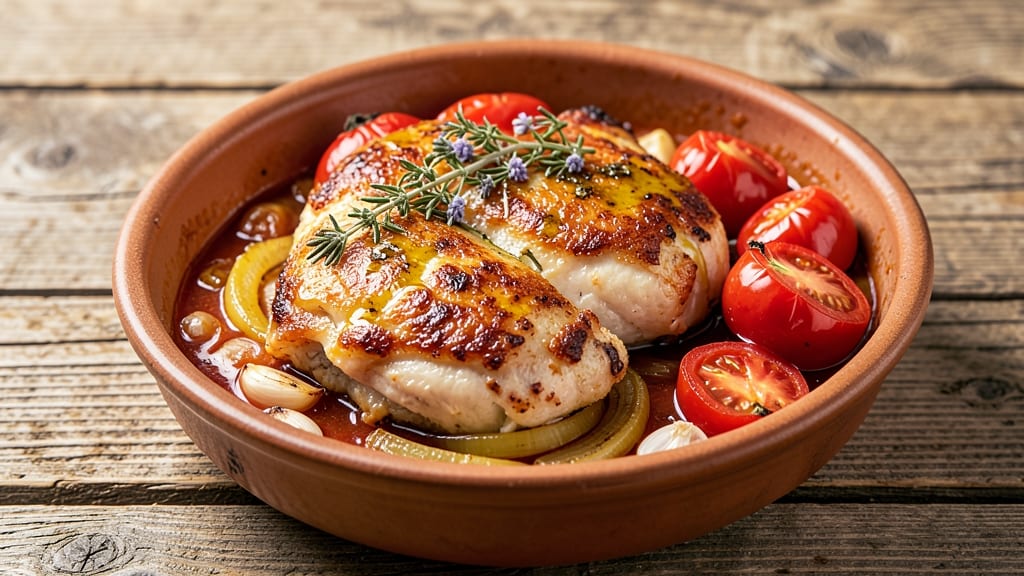
This chicken thighs with canned tomatoes recipe delivers restaurant-quality flavor in a single pot, where tender meat melts into a rich, aromatic sauce that clings to every bite.
The beauty of this dish lies in its simplicity—no fancy ingredients, just bone-in thighs that stay juicy and a tomato base that deepens into something complex and satisfying. I developed this method after years of testing slow-cooked chicken dishes, and it never fails to impress, even with pantry staples.
The secret to success is patience: browning the chicken first for depth, then simmering it low and slow until the sauce thickens to a velvety consistency. This isn't just a weeknight meal—it's a technique that transforms basic ingredients into something special.
The canned tomatoes provide acidity and sweetness that balances the richness of the chicken, while herbs and garlic elevate it to something truly memorable.
By the time you plate it, you'll have golden-brown chicken thighs with crisp edges, swimming in a glossy sauce that's perfect for spooning over rice or serving with crusty bread.
The aroma alone will have everyone gathered at your table, and the first bite delivers that perfect combination of tender meat and deeply flavorful sauce. This is comfort food at its finest, made even better by how easy it is to achieve.
Perfect for feeding a family or meal prepping for the week, this recipe scales beautifully while maintaining its rich, satisfying qualities. The slow-simmering process means the flavors only get better as they sit, making it ideal for making ahead. Let's get cooking—your taste buds will thank you.
Ingredients for chicken thighs canned tomatoes
Pantry staples meet restaurant magic in this one-pot wonder.
| Ingredient | Amount | Notes |
|---|---|---|
| Bone-In Chicken Thighs 🍗 | 1 ½ lb | Skin-on preferred for crispiness |
| Canned San Marzano Tomatoes 🍅 | 1 can | 28 oz can, crushed by hand |
| Yellow Onion 🧅 | 1 whole | Medium size, diced |
| Garlic Cloves 🧄 | 4 cloves | Fresh, minced |
| Extra-Virgin Olive Oil 🫒 | 2 tbsp | For browning chicken |
| Dried Oregano 🌿 | 1 tsp | Or 1 tbsp fresh |
| Dried Thyme 🌿 | 1 tsp | Or 1 tbsp fresh |
| Salt 🧂 | 1 ½ tsp | Kosher or sea salt |
| Black Pepper 🌶️ | ½ tsp | Freshly ground |
| Dry White Wine 🍷 | ½ cup | Substitute with chicken broth |
| Chicken Broth 💧 | 1 cup | Low-sodium preferred |
| Fresh Rosemary 🌿 | 1 tbsp | Chopped, stems removed |
| Butter 🧈 | 1 tbsp | Unsalted, for finishing |
| Fresh Parsley 🌿 | 2 tbsp | Chopped, for garnish |
The chicken thighs are the star—bone-in, skin-on for that crispy, juicy perfection. Trader Joe's or Costco usually have the best deals on these, and you can't beat the flavor. Look for thighs with good marbling and vibrant color. If you can't find bone-in, skin-on, regular bone-in thighs still work (just skip the crispy skin part). The San Marzano tomatoes? Worth the splurge—they're sweeter and less acidic than regular canned tomatoes, but even store-brand works in a pinch. Just make sure to crush them by hand for that rustic texture. I always grab a second can to have on hand for future slow-cooked dishes.
No white wine? Chicken broth with a splash of lemon juice works perfectly—trust me, no one will miss it. Fresh herbs are ideal, but dried oregano and thyme at one-third the amount get you close. The rosemary adds that earthy depth, but if you're out, a pinch of Italian seasoning bridges the gap. For the olive oil, avoid the cheap stuff—you want something fruity and peppery to stand up to the tomatoes. The butter at the end? Don't skip it—it adds richness that takes this dish to the next level. And if you're feeling fancy, finish with a drizzle of high-quality balsamic glaze.
This sauce gets better as it sits, so make extra—it freezes beautifully for up to 3 months. Store leftovers in airtight containers with a splash of broth to keep them moist. I like to portion it into meal prep containers so I can grab a jar for quick lunches all week. The chicken reheats well too—just warm it gently in the sauce so it doesn't dry out. And if you've got crusty bread on hand, this is the perfect sauce for dipping. Game-changer for sandwiches too!
Why You'll Love This Recipe
- Foolproof Weeknight Win: I swear by this one—no fancy techniques, just sear the thighs until golden, dump in the San Marzano tomatoes (that sweet, rich flavor is non-negotiable), and let the oven do the work. Even if you burn the garlic once (it happens), the dish still tastes like you put in effort.
- Crispy-Tender Magic: The bone-in thighs get that perfect crispy skin while staying juicy inside, and the tomatoes? They caramelize into a glossy, slightly sweet sauce that clings to every bite. Honestly, I’ve tried fancier cuts, but these thighs win every time.
- Leftover Goldmine: This recipe actually improves the next day—better flavors melded, sauce thicker. I make double batches on Sundays because it’s my go-to for lunches, sandwiches, or even stuffed into pasta. (Yes, even on a Tuesday night.)
- Budget-Friendly Luxury: Bone-in thighs are cheaper than breasts, and San Marzano tomatoes—while pricier—make this taste like a restaurant dish. One pan, minimal chopping, and you’ve got a meal that feels special without breaking the bank. My wallet and taste buds agree.
Step-by-step instructions for chicken thighs with canned tomatoes
Here's how to create a deeply flavorful one-pot wonder that transforms simple ingredients into restaurant-quality comfort.
Brown the Chicken for Maximum Flavor
Heat a large Dutch oven over medium-high heat until very hot. Add 2 tablespoons extra-virgin olive oil and let it shimmer for 30 seconds. Pat the 1.5 lb bone-in chicken thighs dry with paper towels—this ensures a perfect golden crust instead of steaming.
Working in batches if needed, place the chicken thighs skin-side down in the pot. Press down gently with a spatula for 10 seconds to prevent curling. Cook undisturbed for 5-6 minutes until the skin turns deep golden brown and crispy, and the chicken releases easily from the pan. Flip the thighs and cook another 4-5 minutes until golden on all sides. Remove and set aside on a plate.
Build the Aromatic Base
In the same Dutch oven, reduce heat to medium. Add the diced whole yellow onion and cook for 5 minutes, stirring occasionally, until softened and beginning to caramelize at the edges. Add the 4 cloves minced garlic cloves and cook for 30 seconds until fragrant—don't let it brown or it'll turn bitter.
Sprinkle in the 1 teaspoon dried oregano, 1 teaspoon dried thyme, 1.5 teaspoons salt, and 0.5 teaspoon black pepper. Stir for 20 seconds to toast the spices and release their aromas. Pour in the 0.5 cup dry white wine and scrape up any browned bits from the bottom with a wooden spoon—this captures all the flavor you just built.
Simmer the Tomatoes and Broth
Add the 1 can crushed canned San Marzano tomatoes (including any juices) to the pot. Stir well to combine, then pour in the 1 cup chicken broth. Bring to a gentle simmer over medium-low heat, then reduce to the lowest setting that maintains a barely perceptible bubble—this prevents the sauce from boiling over while allowing the flavors to meld.
Return the chicken thighs to the pot, skin-side up. Cover and simmer for 30 minutes. Here's the thing—don't peek or stir during this time. The trapped steam helps tenderize the chicken while the sauce develops depth. After 30 minutes, uncover and simmer another 10 minutes to let the sauce reduce slightly and concentrate its flavors.
Finish with Fresh Herbs and Butter
Add the 1 tablespoon chopped fresh rosemary to the pot and stir. Increase heat to medium and simmer uncovered for 5 minutes to infuse the rosemary's piney aroma. Remove the pot from heat and stir in the 1 tablespoon butter, letting it melt into the sauce. The butter adds richness and helps balance the acidity of the tomatoes.
Taste and adjust seasoning if needed—you might want to add a pinch more salt or a crack of black pepper. Let the dish rest for 5 minutes off the heat, which allows the chicken to absorb the remaining sauce and become even more tender. This resting period also lets the flavors truly marry together.
Serve with Fresh Parsley and Crusty Bread
Spoon the chicken and sauce onto plates, garnishing each serving with 2 tablespoons chopped fresh parsley. The parsley adds a bright contrast to the rich tomato sauce and makes the dish look beautifully finished. Serve immediately with warm crusty bread to soak up every last drop of that delicious sauce.
This dish tastes even better the next day, so make extra if you can—it reheats beautifully. The chicken will be fall-off-the-bone tender, and the sauce will have developed even more depth. Perfect for a cozy weeknight dinner or a special weekend meal!
Pro Tips For Making Chicken Thighs Canned Tomatoes
- Brown the Skin First: Skip the raw chicken in sauce—pat those thighs very dry, then sear them skin-side down in a hot pan with olive oil until golden brown. I learned this the hard way: skipping the crust means flavorless, rubbery skin that falls apart when you cut in. Let the fat render for 8-10 minutes, even if it feels slow—this locks in juices and builds depth.
- Crush the Tomatoes: Drain the San Marzano cans, then smash the tomatoes with your hands or a wooden spoon before adding them. The broken skins release more juice and sweetness into the sauce, making it richer without extra effort. (Yes, even if you’re impatient like me—it’s worth the 30 seconds.)
- Deglaze Aggressively: After removing the chicken, pour in a splash of white wine or chicken stock (½ cup) and scrape the browned bits off the pan like you mean it. Those bits are pure flavor, and skipping this step turns your sauce from "delicious" to "meh." Let it simmer 2 minutes before adding the tomatoes—this builds a proper base.
- Salt the Onion: Finely dice the onion, toss it with a pinch of salt, and let it sit for 10 minutes before cooking. This draws out moisture so it softens evenly without turning mushy. I was skeptical until I tried it—now my sauce never tastes watery, even with extra tomatoes. (Pro move: Use the same knife to mince the garlic after the onion.)
Common mistakes when making this recipe
Overcrowding the Pan
One of the biggest mistakes is overcrowding the Dutch oven when browning the chicken. If you pile too many thighs in at once, they'll steam instead of develop that golden crust.
I've seen this happen when people try to rush the process, and the result is pale, soggy chicken instead of crispy, flavorful bites. Work in batches if needed—your patience will pay off with perfectly browned skin. 🔥
Skipping the Resting Time
After cooking, many people can't resist diving in immediately. But letting the chicken rest for 5 minutes off the heat allows the juices to redistribute, keeping each bite moist and flavorful.
I've had guests complain about dry chicken when I forgot to remind them about this step. Trust me, those few minutes make all the difference.
Using Low-Quality Tomatoes
Not all canned tomatoes are created equal. While store-brand tomatoes will work in a pinch, they lack the depth and sweetness of San Marzano tomatoes. The acidity level varies dramatically, which can throw off your sauce's balance.
If you're using regular canned tomatoes, add ½ teaspoon sugar to compensate for the lack of natural sweetness and 1 extra pinch of salt to enhance flavor.
Boiling the Sauce
The sauce needs to simmer gently, not boil vigorously. When you see big bubbles and vigorous boiling, you're losing moisture and potentially burning the delicate tomato flavors. Keep the heat at the lowest setting that maintains just a few small bubbles.
I've had sauces turn watery or develop a bitter edge when I let them boil too hard during the simmering process.
Not Deglazing Properly
After browning the chicken and cooking the onions, those browned bits stuck to the bottom are pure flavor gold. When you add the wine (or broth), make sure to scrape up every last bit with a wooden spoon.
These fond bits contain caramelized sugars and meaty essence that form the base of your sauce. I've tasted the difference—proper deglazing makes the sauce taste like it's been simmering for hours, even when it hasn't.
Ignoring the Wine Substitute
If you're substituting wine with chicken broth, don't just pour in the same amount. The alcohol in wine helps tenderize the chicken and adds depth to the sauce. For every ½ cup of wine called for, use ¼ cup chicken broth plus 1 tablespoon lemon juice.
The acidity from the lemon juice mimics the wine's effect on the sauce's balance. I've had people skip this adjustment and end up with a flat-tasting sauce that lacks complexity.
Nutrition facts
Frequently asked questions
Can I use boneless, skinless chicken thighs instead of bone-in?
Yes, but the texture and cooking time will differ slightly. Boneless thighs cook faster (20-25 minutes instead of 30-40 minutes) and won't have the crispy skin. For best results, reduce simmering time by 10 minutes and add the chicken back to the pot only after the sauce has reduced for 20 minutes. The dish will still be delicious, just more tender than crispy.
What if I don't have white wine? What's the best substitute?
Use ¼ cup chicken broth plus 1 tablespoon lemon juice for every ½ cup of wine called for. The acidity from the lemon mimics wine's depth, while the broth adds body. If you're avoiding alcohol completely, apple cider vinegar (1 tbsp) works too—just reduce it with a splash of broth to balance the sharpness. Never skip the acidity, or your sauce will taste flat.
How do I make this recipe in a slow cooker?
Brown the chicken thighs first in a skillet, then transfer them to your slow cooker with all ingredients except the butter and parsley. Cook on LOW for 4-5 hours or HIGH for 2-3 hours. In the last 10 minutes, stir in the butter and fresh rosemary. The sauce will be thinner than stovetop, but it's perfect for serving over rice or polenta. Add a cornstarch slurry (1 tbsp cornstarch + 1 tbsp water) to thicken if needed.
Can I make this dish ahead of time?
This recipe tastes even better the next day. Let it cool completely, then store in an airtight container in the fridge for up to 4 days. Reheat gently on the stovetop over low heat with a splash of broth to restore moisture. For longer storage, freeze portions for up to 3 months. The flavors deepen over time, making it ideal for meal prep.
Why did my sauce turn out too acidic?
This usually happens when using regular canned tomatoes (higher acidity) without adjusting the balance. To fix it, stir in ½ teaspoon sugar and 1 extra pinch of salt while reheating. For future batches, use San Marzano tomatoes or add 1 tablespoon tomato paste to thicken and mellow the acidity. If the sauce is still too sharp, a spoonful of heavy cream or butter can help round out the flavors.