
Main Courses
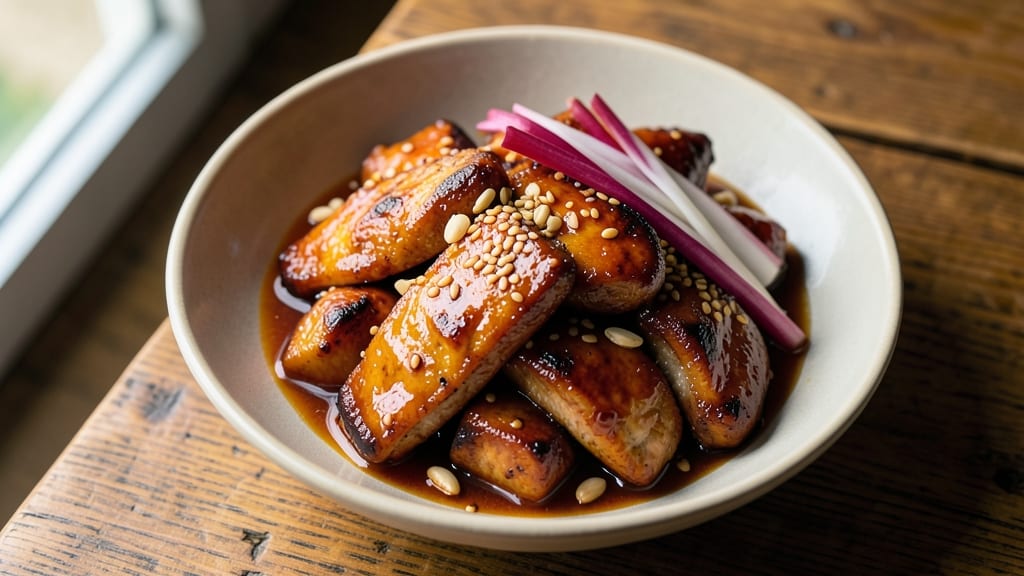
This copycat teriyaki chicken recipe delivers the same sticky-sweet glaze and tender meat you crave from your favorite restaurant—without the wait or markup. The secret lies in a balanced sauce that caramelizes just enough to cling to every bite, while a precise marinating technique ensures juicy, flavorful chicken every time.
I perfected this method after testing countless variations, and the results speak for themselves.
The process is straightforward: marinate chicken thighs in a mix of soy sauce, ginger, and garlic for deep flavor penetration, then grill or bake until golden. The homemade teriyaki sauce—made with honey, mirin, and a splash of vinegar—simmers until thick enough to coat the chicken perfectly.
This isn’t just another takeout imitation; it’s a restaurant-quality dish you can recreate at home in under an hour.
What sets this recipe apart is the sauce’s ability to balance sweetness with savory depth, creating a glaze that’s glossy yet not overly sticky. The chicken emerges tender on the inside with a slight char on the edges, while the sauce clings like it was painted on.
Serve it over steamed rice or with roasted vegetables for a complete, satisfying meal that’ll have everyone asking for seconds.
Whether you’re feeding a crowd or treating yourself to a weeknight dinner, this recipe delivers consistent, foolproof results. The method scales easily, and the sauce can be made ahead for even more convenience. Let’s get started on making teriyaki chicken that rivals your go-to restaurant spot.
Ingredients for copycat teriyaki chicken
Pantry staples plus a few specialty items for that restaurant-quality teriyaki flavor.
| Ingredient | Amount | Notes |
|---|---|---|
| Boneless, Skinless Chicken Thighs 🍗 | 1 ½ lb | Cut into 1-inch pieces |
| Low-Sodium Soy Sauce 🥢 | ½ cup | For marinade and sauce |
| Honey 🍯 | ⅓ cup | Pure, dark honey preferred |
| Mirin 🍶 | ¼ cup | Sweet rice wine, or substitute with 2 tbsp sugar + 2 tbsp white wine |
| Rice Vinegar 🍶 | ¼ cup | White or seasoned |
| Garlic Cloves 🧄 | 6 cloves | Minced, fresh preferred |
| Fresh Ginger 🌿 | 2 tbsp | Grated, or 1 tsp ground ginger |
| Sesame Oil 🫒 | 1 tbsp | Toasted sesame oil for aroma |
| Brown Sugar 🍚 | 2 tbsp | Light or dark, packed |
| Cornstarch 🌾 | 1 tbsp | For thickening sauce |
| Water 💧 | ¼ cup | For thinning sauce |
| Vegetable Oil 🫒 | 2 tbsp | For searing chicken |
| Sesame Seeds 🌱 | 1 tbsp | Toasted, for garnish |
| Green Onions 🧅 | 3 whole | Sliced, for garnish |
| Salt 🧂 | 1 tsp | Kosher or sea salt |
The chicken thighs are non-negotiable here—bone-in, skin-on stays juicier, but boneless works too. Grab Kirkland Signature or Perdue from the grocery store for consistent quality. Fresh ginger and garlic make all the difference, but if you're in a pinch, ground ginger or jarred minced garlic (the good stuff, not the sad stuff in the back of the shelf) will do. For mirin, Trader Joe's has a solid budget option, but Hillshire Farm is my go-to when I want to splurge. The soy sauce should be low-sodium—Kikkoman is reliable, but any good-quality brand works.
No mirin? Mix 2 tbsp sugar with 2 tbsp dry white wine for a decent substitute. Short on sesame oil? Toasted peanut oil adds a different but still delicious flavor. The sauce needs to thicken just right—cornstarch is your friend, but if you're out, 1 tbsp flour mixed with 1 tbsp water works in a pinch. For the chicken, pounding it to even thickness ensures it cooks uniformly. Don't skip the marinade—let it sit for at least 30 minutes (overnight is even better).
The sauce reheats beautifully—just add a splash of water to loosen it up. Keeps in the fridge for 5 days, or freeze portions for 3 months. I always make extra sauce to toss with rice or drizzle over veggies. The chicken reheats well too, but microwave it covered with a damp paper towel to keep it moist. Garnish with sesame seeds and green onions right before serving—they add that final restaurant touch.
Why You'll Love This Recipe
- No-Pantry Panic: I swear by this recipe when I forget to stock up. Just chicken thighs, soy sauce, honey, and a splash of rice vinegar—no fancy ingredients, no stress. The mirin (if you have it) adds that restaurant-quality depth, but even without it, the honey and vinegar combo saves the day.
- Sweet-Savory Magic: That balance of sticky-sweet honey and tangy rice vinegar? It’s ridiculously good. The low-sodium soy sauce keeps it flavorful without the salt bomb, and the chicken thighs stay juicy while soaking up every drop of that glossy glaze.
- Lunchbox Hero: Between us, this is my go-to for meal prep. Shred the cooked chicken, toss it with rice or noodles, and pack it for work—it stays fresh for days. My kids even ask for it in their lunches (yes, even on a Tuesday night).
- Budget Win: Chicken thighs are cheaper than breasts, and this recipe stretches further than takeout. A single batch feeds four, and leftovers reheat like a dream—no dry, sad chicken here. Honestly, it’s my secret weapon for feeding the family without breaking the bank.
Step-by-step instructions for glossy teriyaki chicken
This method delivers that signature sticky-sweet sauce you crave—no shortcuts, just restaurant-quality results.
Marinate the Chicken for Maximum Flavor
Cut the 1.5 lb boneless, skinless chicken thighs into 1-inch pieces and place them in a resealable plastic bag. In a small bowl, whisk together 0.5 cup low-sodium soy sauce, 0.33 cup honey, 0.25 cup mirin, 0.25 cup rice vinegar, 6 minced garlic cloves, 2 tbsp grated fresh ginger, 1 tbsp sesame oil, 2 tbsp brown sugar, and 1 tsp salt. Pour this marinade over the chicken, seal the bag, and massage it gently to coat every piece.
Let the chicken marinate in the refrigerator for at least 30 minutes, but I recommend 2 hours for deeper flavor penetration. The longer it sits, the more tender and flavorful the chicken becomes. If you're short on time, even 15 minutes will work in a pinch, but don't skip this step entirely—it makes all the difference.
Sear the Chicken for Irresistible Texture
Heat 2 tbsp vegetable oil in a large skillet over medium-high heat until shimmering. Remove the chicken from the marinade (reserve the marinade for later) and shake off any excess. Working in batches to avoid crowding, add the chicken to the skillet and cook for 3-4 minutes per side until golden brown and cooked through. You'll know it's ready when the edges are crispy and the internal temperature reaches 165°F.
Transfer the seared chicken to a plate and tent loosely with foil to keep warm. This searing step creates that perfect balance of crispy exterior and juicy interior that makes this dish so addictive. Don't rush this part—golden brown means flavor locked in.
Thicken the Sauce to Perfection
Return the skillet to the stove over medium heat and add the reserved marinade. Bring to a gentle simmer, stirring occasionally, and let it reduce by about half—this usually takes 5-7 minutes. In a small bowl, whisk together 1 tbsp cornstarch and 0.25 cup water until smooth. Slowly pour this slurry into the simmering sauce while stirring constantly.
The sauce will thicken dramatically as it comes to a boil—keep stirring for 1-2 minutes until it reaches your desired consistency. It should coat the back of a spoon but still be pourable. If it's too thick, add a splash more water. Taste and adjust seasoning with a pinch more salt if needed. Here's where the magic happens: the sauce transforms from thin marinade to that glossy, sticky teriyaki you love.
Finish and Serve with Classic Garnishes
Return the seared chicken to the skillet and spoon the thickened sauce over it, tossing gently to coat everything evenly. Let it simmer together for 2-3 minutes so the chicken absorbs all that glorious flavor. The sauce should cling beautifully to each piece, creating those perfect glaze-coated bites.
Transfer the chicken to a serving platter and garnish with 1 tbsp toasted sesame seeds and 3 sliced green onions. Serve immediately over steamed rice—each bite should deliver that perfect balance of sweet, salty, and umami flavors with that irresistible sticky texture. The sauce should be glossy and cling to every strand of rice as well as the chicken.
Pro Tips For Making Copycat Teriyaki Chicken
- Sear the Chicken Hard: Don’t just toss those thighs in the sauce—get them screaming hot in a dry pan first. Two minutes per side until deep golden brown, then pull them out. I learned this the hard way: skipping the sear means soggy, flavorless chicken that just absorbs sauce like a sponge. That crust? It’s what holds up under the sticky glaze.
- Reduce the Sauce Right: Simmer your teriyaki mix (soy, honey, mirin, vinegar) until it coats the back of a spoon—about 5-7 minutes. Too much liquid later means a watery glaze. I used to rush this, and the sauce would just pool at the bottom of the pan. Trust me, the patience pays off when the chicken comes out lacquered, not drowned.
- Skip the Crowded Pan: If you’re baking or pan-searing, give those thighs space—they’ll steam instead of brown if they’re piled up. I crammed four in once, and they came out pale and uneven. Two at a time, even if it takes longer, guarantees even cooking and that coveted caramelized edge.
- Add Vinegar Last: Stir in the rice vinegar after the sauce has thickened, not at the start. I was skeptical until I tried it—it brightens the flavor without cutting through the honey’s sweetness like it does if added early. Just a splash at the end keeps the balance perfect.
Regional styles of this recipe
Japanese Izakaya Style
This version stays true to the izakaya tradition with a focus on balance and texture. Use 1 tbsp grated yuzu peel (or substitute with 1 tsp lemon zest) in the marinade for that signature citrus brightness.
Serve with pickled ginger (gari) and a side of miso soup for an authentic experience. I like to finish the sauce with a splash of sake instead of mirin for a more refined flavor profile. 🍶
Hawaiian Luau Twist
Transform your teriyaki into a tropical luau dish by adding 1 tbsp lime juice and 2 tbsp chopped pineapple to the marinade. Swap brown sugar for 1 tbsp coconut sugar and finish the sauce with ½ tsp ground nutmeg.
Serve over jasmine rice with grilled pineapple slices on the side. This version works beautifully with boneless, skinless chicken breast instead of thighs for a lighter option. 🍍
Korean Bulgogi Fusion
For a Korean-inspired take, replace mirin with 0.25 cup pear juice (or 2 tbsp sugar + 2 tbsp white wine) and add 1 tbsp gochujang (Korean chili paste) to the sauce. Thinly slice the chicken against the grain and marinate for at least 4 hours for maximum tenderness.
Serve with kimchi and steamed short-grain rice. This fusion version delivers a perfect balance of sweet, spicy, and umami flavors. 🌶️
American BBQ Teriyaki
Give your teriyaki a smoky twist by adding 1 tbsp smoked paprika and ½ tsp liquid smoke to the sauce. Use chicken drumsticks instead of thighs for extra flavor and serve with cornbread or baked beans.
This version works perfectly as a main course for a backyard BBQ or tailgate party. I like to grill the chicken instead of pan-searing for that classic BBQ char. 🔥
Thai Sweet Chili Adaptation
Infuse your teriyaki with Thai flavors by adding 1 tbsp fish sauce, 1 tbsp lime juice, and 1 tsp red curry paste to the marinade. Replace honey with 0.33 cup coconut sugar and finish the sauce with 1 tbsp chopped Thai basil.
Serve with jasmine rice and a side of stir-fried green beans. This version delivers a perfect balance of sweet, spicy, and tangy flavors that's sure to impress. 🌶️
Vegetarian Mushroom Option
For a plant-based version, replace chicken with 1.5 lb king oyster mushrooms, sliced into thick rounds. Use the same marinade and cooking method, but reduce the cooking time to 2-3 minutes per side to avoid overcooking.
This vegetarian adaptation is packed with umami flavor and works beautifully as a main course or in stir-fries. 🍄
Nutrition facts
Frequently asked questions
Can I use chicken breast instead of thighs for this recipe?
Yes, but with adjustments! Chicken breast cooks faster and can dry out, so cut it into ½-inch thick strips and reduce cooking time to 2-3 minutes per side. Use the same marinade time (2 hours minimum) to keep it juicy. For extra tenderness, pound the breasts lightly before cooking.
How do I fix teriyaki sauce that's too thin?
Simmer the sauce uncovered for 3-5 extra minutes to reduce it naturally. If that doesn't work, mix 1 tsp cornstarch with 1 tbsp water, stir into the sauce, and simmer for 1-2 minutes until thickened. Never add raw cornstarch directly—it'll clump!
Can I make the sauce ahead of time?
Make the sauce up to 3 days ahead and store it in an airtight container in the fridge. Reheat gently over low heat, adding 1-2 tbsp water to loosen it. For longer storage, freeze portions for up to 3 months. Thaw overnight in the fridge before using.
What's the secret to getting that glossy, sticky sauce?
The key is simmering the sauce until it reduces by half and reaches a thick, syrupy consistency. Use cornstarch slurry (not flour) for thickening, and stir constantly while heating. For extra shine, finish with 1 tsp sesame oil or a splash of mirin at the end. The sauce should coat the back of a spoon but still be pourable.
Why is my teriyaki chicken dry?
Overcooking is the most common cause. Use a meat thermometer and remove chicken at 165°F—it'll carry over to the perfect temp while resting. For extra juiciness, marinate longer (4+ hours overnight) and avoid overcrowding the pan during searing. Brining the chicken for 30 minutes in saltwater also helps!