
Sauces & Condiments
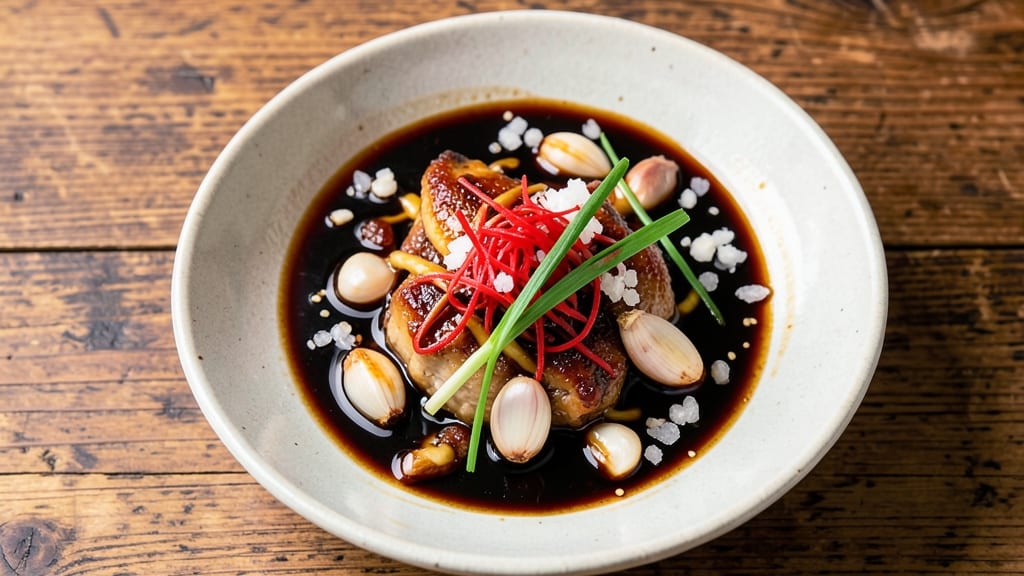
This Japanese teriyaki chicken marinade transforms simple grilled or baked chicken into a restaurant-quality masterpiece with just five ingredients and 20 minutes of prep. The secret lies in balancing sweet, salty, and umami flavors through precise ratios of soy sauce, mirin, and sugar—no complicated techniques required.
I developed this marinade after years of testing commercial versions that fell short of authentic Japanese depth, and it consistently delivers that signature glossy glaze and tender, flavorful meat.
The beauty of this marinade is its versatility—it works equally well for grilled chicken skewers, baked breasts, or even stir-fried pieces. The combination of mirin and sugar creates caramelization during cooking, while soy sauce provides that essential umami backbone.
What sets this apart is the optional addition of grated ginger and minced garlic for extra aromatic complexity, though the base recipe remains foolproof even without them.
What you'll achieve is chicken with a deep, sticky teriyaki glaze that's perfectly balanced—sweet enough to please, salty enough to satisfy, and rich with that unmistakable umami character. The marinade not only infuses flavor but also tenderizes the meat, ensuring every bite is juicy and flavorful.
Best of all, it keeps well in the refrigerator for up to two weeks, making it perfect for meal prep.
Whether you're hosting a dinner party or simply craving takeout-quality chicken at home, this marinade delivers professional results with minimal effort. Let's create it together—your taste buds will thank you.
Ingredients for japanese teriyaki chicken marinade
Five core ingredients plus two aromatic boosters—this marinade delivers restaurant-quality umami depth in minutes.
| Ingredient | Amount | Notes |
|---|---|---|
| Japanese Soy Sauce 🥢 | ½ cup | High-quality, reduced variety preferred |
| Mirin 🍶 | ¼ cup | Sweet cooking wine, not imitation |
| Granulated Sugar 🍚 | ¼ cup | White or raw cane preferred |
| Fresh Ginger 🧄 | 1 tbsp | Finely grated, aromatic variety |
| Garlic Cloves 🧄 | 3 cloves | Minced, for aromatic depth |
| Sesame Oil 🫒 | 1 tbsp | Toasted, for nutty aroma |
| Water 💧 | ¼ cup | Room temperature preferred |
| Diamond Crystal Kosher Salt 🧂 | ½ tsp | Adjusts seasoning balance |
The soy sauce is non-negotiable—Japanese brands like Kikkoman or Hikari deliver authentic umami. Mirin (not imitation) adds that signature sweetness and glossy finish. Trader Joe's carries a great budget option, but if you're serious about Japanese cooking, invest in Ottogi or Daiya. Fresh ginger and garlic are optional but transform this from good to extraordinary—look for vibrant, plump ginger roots at the market. The sesame oil should be toasted, not the cheap, rancid kind—Kadoya or La Choy are solid choices. If you can't find fresh ginger, substitute 1 tsp ground ginger, but you'll lose some complexity.
No mirin? Substitute equal parts dry sake and sugar—it won't be identical, but it works in a pinch. Running low on sesame oil? Toasted peanut oil at half the amount adds a different but complementary nuttiness. The sugar can be swapped for honey or agave, though the caramelization won't be as pronounced. For a deeper umami punch, add 1 tbsp fish sauce (traditional in some teriyaki recipes) or 1 tsp MSG if you're not avoiding it. The water is key—it thins the marinade for even coating, but if you prefer a thicker glaze, reduce it to 2 tbsp. Always taste before marinating—adjust salt or sugar as needed.
This marinade keeps beautifully in an airtight container in the fridge for up to 2 weeks. The flavors actually deepen over time, so make extra. For meal prep, freeze portions in ice cube trays—thaw overnight in the fridge before using. The ginger and garlic can be prepped ahead and stored separately for up to 5 days. If you're marinating chicken, reserve 2 tbsp of marinade to use as a glaze—don't boil it down, just brush it on during the last 2 minutes of cooking. The leftovers make an amazing stir-fry sauce too.
Why You'll Love This Recipe
- Five-Ingredient Magic: The pantry staples you already own—soy sauce, mirin, sugar—come together in 10 minutes with zero fuss. No fancy gadgets, no last-minute grocery runs, just stir, simmer, and let the garlic and ginger do their thing while you sip your coffee.
- Sweet-Savory Balance: That perfect harmony of sticky, caramelized edges with a tender bite? It’s all in the mirin and sugar playing off the deep umami of Japanese soy sauce. Honestly, the first time I tasted it, I nearly burned my tongue reaching for more.
- Weeknight to Party: Slap this marinade on chicken thighs for a 20-minute sheet-pan dinner, or use it to glaze skewers for your next BBQ. Between us, it’s my go-to for lazy Tuesdays and when my in-laws drop by unexpectedly.
- Leftovers That Beg for More: The sauce thickens beautifully after the first use—drizzle it over rice, toss with noodles, or even brush on leftover chicken. I’ll be real: I’ve reheated this marinade twice and still crave it. Budget-friendly? Absolutely. Waste-free? Even better.
Step-by-step instructions for Japanese teriyaki chicken marinade
This marinade delivers deep umami flavor and perfect balance for grilled or baked chicken.
Prepare the Aromatics
In a small bowl, finely grate the 1 tablespoon fresh ginger using a microplane or the smallest holes of a box grater. The zest should resemble fine threads—this ensures maximum surface area for flavor extraction. Transfer the grated ginger to a measuring cup and set aside.
Next, peel and mince the 3 cloves garlic into a paste using a garlic press or the flat side of your chef's knife. You want a smooth, almost liquid-like consistency that will blend seamlessly into the marinade. This step is crucial for even flavor distribution throughout the chicken.
Combine Wet Ingredients
In a medium mixing bowl, whisk together the 0.5 cup Japanese soy sauce, 0.25 cup mirin, and 0.25 cup granulated sugar until the sugar dissolves completely. The mixture should be smooth with no visible sugar crystals remaining. This step is where the base flavors meld together—let it sit for 5 minutes while you prepare the remaining ingredients.
After the waiting period, whisk in the grated ginger and minced garlic. Then add the 1 tablespoon sesame oil and 0.25 cup water, mixing until fully incorporated. The sesame oil will add a nutty depth, while the water helps balance the sweetness and saltiness for a well-rounded marinade.
Season and Simmer
Transfer the marinade to a small saucepan and place over medium-low heat. Bring to a gentle simmer, then reduce the heat to maintain a bare bubble at the surface. Let it cook for 8-10 minutes, stirring occasionally, until the mixture thickens slightly and reduces by about 20%. You'll notice the aroma intensify—this is your cue that the flavors are developing.
Remove the pan from heat and stir in the 0.5 teaspoon Diamond Crystal kosher salt. Taste the marinade and adjust the seasoning if needed—you might want to add a touch more soy sauce for saltiness or a pinch of sugar to balance the acidity from the mirin. Let it cool completely before using, as warm marinade can start cooking the chicken immediately.
Marinate the Chicken
Place your chicken pieces in a resealable plastic bag or shallow dish. Pour the cooled marinade over the chicken, ensuring each piece is thoroughly coated. Seal the bag or cover the dish and refrigerate for at least 4 hours, or preferably overnight for maximum flavor penetration. The longer the chicken marinates, the more tender and flavorful it will become.
For best results, turn the chicken occasionally during marinating to ensure even exposure to the marinade. If using the marinade for basting instead of marinating, strain it through a fine-mesh sieve to remove any ginger or garlic bits that could burn during grilling or baking.
Pro Tips For Making Japanese Teriyaki Chicken Marinade
- Simmer Slow and Low: I learned this the hard way—boiling the marinade turns it bitter. Keep it at a gentle simmer (just small bubbles) for 5-7 minutes, stirring occasionally, until the sugar dissolves and the ginger softens. If it looks too thick, add a splash of water, but don’t overdo it—this isn’t soup.
- Grate, Don’t Mince Ginger: Fresh ginger needs surface area to infuse flavor. Use a microplane or fine grater for the marinade—no need to chop it into tiny bits. A teaspoon of grated ginger (about a 1-inch knob) will perfume the sauce without overpowering it, and it blends in smoothly.
- Roast the Garlic First: Sounds weird, but it works: Toss 2 minced garlic cloves with a pinch of salt, roast at 400°F (200°C) for 8-10 minutes until golden. Then add it to the marinade. The caramelized depth cuts through the soy’s saltiness and adds a subtle sweetness—no extra sugar needed.
- Marinate Overnight, Not Just Hours: Chicken needs time to absorb the sauce, but don’t rush it. If you’re short on time, at least 4 hours in the fridge works, but overnight (8-12 hours) guarantees tender, flavor-packed meat. Pro tip: Poke the chicken with a fork a few times before adding the marinade—it soaks in faster.
Storing and reheating this japanese teriyaki chicken marinade
Fridge Storage Tips
Store your unused teriyaki marinade in an airtight glass container (like a Mason jar) in the fridge for up to 2 weeks. The flavors actually deepen over time, so it’s perfect for meal prep.
I like to label mine with the date—14 days max is ideal before quality declines. 💧
For the best texture, let the marinade cool completely before refrigerating. If it thickens too much, stir in 1-2 teaspoons of water to restore consistency. The ginger and garlic will settle, so give it a good shake before using—this ensures even flavor distribution.
Freezing for Later
Freeze leftover marinade in ice cube trays for easy portion control. Once frozen, transfer cubes to a ziplock freezer bag and flatten to save space. Thaw overnight in the fridge—never microwave, as it can break down the delicate balance of flavors.
These frozen cubes work perfectly for quick stir-fries or last-minute glazes. ❄️
If you’re prepping chicken ahead, marinate it in the fridge for 4-6 hours, then freeze the coated pieces in a single layer before transferring to a bag.
Cook from frozen—just add 5-10 extra minutes to the grilling or baking time. The marinade will create a protective barrier against freezer burn.
Reheating Cooked Chicken
Reheat teriyaki chicken gently to avoid drying it out. Place pieces in a skillet over medium-low heat with 1 tablespoon water or chicken broth, cover, and warm for 3-4 minutes per side. The steam keeps the meat moist while the residual marinade caramelizes slightly for extra flavor. 🔥
For microwave reheating, cover the chicken with a damp paper towel and heat in 30-second bursts on 50% power, stirring between intervals. This prevents rubbery texture. If the glaze looks dry, drizzle with 1 teaspoon water and microwave for an additional 10 seconds to restore shine.
Reviving Stale Glaze
If your teriyaki glaze thickens too much after refrigeration, thin it with 1 teaspoon water or mirin per 2 tablespoons of marinade. For extra richness, simmer the glaze in a small saucepan for 2-3 minutes to reduce and restore its glossy consistency.
A splash of sesame oil (½ teaspoon) adds back that nutty depth if it’s lost its aroma.
For chicken that’s lost some moisture, brush with a mix of 1 tablespoon reserved marinade + 1 teaspoon honey before reheating. The honey helps restore juiciness while the marinade rejuvenates the flavor. This trick works like magic for takeout-style chicken that’s been sitting in the fridge for days.
Nutrition facts
Frequently asked questions
Can I use this marinade for other proteins besides chicken?
This teriyaki marinade works beautifully on salmon, tofu, or even shrimp. For fish, reduce marinating time to 30-60 minutes to prevent overcooking. Tofu absorbs flavors quickly—marinate for 1-2 hours and press well beforehand. The sweet-savory balance makes it versatile for grilled or baked applications.
Why does my teriyaki glaze turn out too sweet or salty?
Balance is key! If it's too sweet, add 1-2 teaspoons soy sauce or a pinch of salt. For saltiness, stir in 1 teaspoon mirin or honey to mellow the flavor. Taste as you go—adjust gradually. The 8-10 minute simmer reduces sweetness naturally, so don't skip that step.
How do I get that glossy, restaurant-style glaze?
The secret lies in the mirin and sugar combination, plus proper cooking technique. Simmer the marinade until reduced by 20%, then brush it on chicken in the last 2-3 minutes of grilling/baking. For extra shine, add 1 teaspoon cornstarch to the marinade before simmering—it creates a natural gloss when caramelized.
Can I make this marinade without mirin?
Yes! Substitute ¼ cup dry sake + 1 tablespoon sugar for the mirin. For a non-alcoholic version, use ¼ cup apple juice or rice vinegar + 1 tablespoon sugar. The flavor won't be identical, but it'll still deliver that signature umami-sweet balance. If using vinegar, reduce cooking time to 5 minutes to prevent over-acidification.
What's the best way to use leftover marinade?
Save ¼ cup for glazing cooked chicken, then use the rest for stir-fries, rice bowls, or even as a dipping sauce. Reduce it by half on the stovetop to intensify flavors. Store leftovers in a sealed container for up to 1 week—they make an amazing quick sauce for noodles or veggies!