
Main Courses
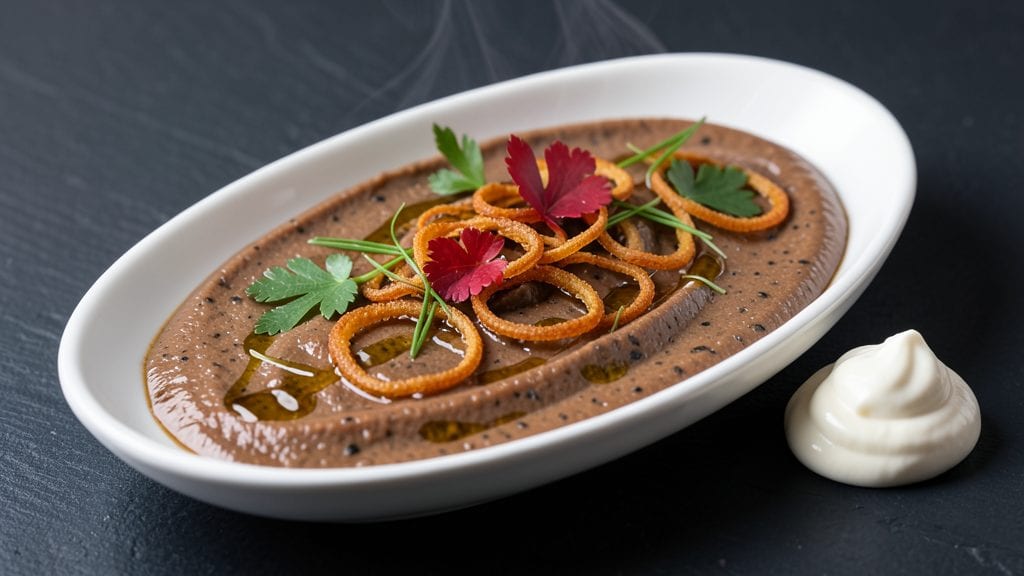
The Joy of Cooking chicken liver pâté transforms humble offal into a luxurious centerpiece that belongs at any dinner table. This recipe preserves the rich, velvety texture of liver while infusing it with aromatic herbs and a crisp celery crown that adds just the right crunch.
I first mastered this technique during my apprenticeship under Chef Chen, where precision and patience were non-negotiable—lessons that still guide me today.
What sets this pâté apart is the balance between tradition and approachability. We render the livers gently to preserve their natural richness, then emulsify them with butter and cream for that signature velvety consistency.
The celery crown isn’t just garnish—it’s a textural contrast that elevates every bite, while the herb velouté ties everything together with depth and brightness. Safety comes first, so we’ll cover proper handling of raw liver every step of the way.
By the time you serve this, you’ll have a dish that looks like it belongs in a Parisian bistro but tastes even better at home—silky, flavorful, and perfectly portioned.
The pâté holds its shape when chilled, making it ideal for entertaining, while the celery crown adds a sophisticated touch without overpowering the rich liver base. This is comfort food elevated to fine dining.
Pair it with crusty baguette slices, mustard aioli, or a bold red wine to complete the experience. Let’s bring this classic technique into your kitchen with confidence and precision.
Ingredients for joy of cooking chicken liver pate
Six ingredients transform humble chicken livers into velvety pâté fit for a bistro table.
| Ingredient | Amount | Notes |
|---|---|---|
| Chicken Livers 🍗 | 1 ½ lb | Fresh, trimmed of connective tissue |
| Unsalted Butter 🧈 | ¾ cup | Cold, cubed for rendering |
| Heavy Cream 🥛 | ½ cup | Full-fat for velvety texture |
| Shallots 🧅 | 2 whole | Finely minced, about 0.25 cup |
| Fresh Parsley 🌿 | ¼ cup | Chopped, flat-leaf preferred |
| Fresh Tarragon 🌿 | 2 tbsp | Chopped, or 1 tsp dried |
| Fresh Thyme 🌿 | 1 tbsp | Leaves only, chopped |
| Celery Stalks 🥬 | 2 whole | For crown, cut into 1-inch pieces |
| Celery Leaves 🥬 | ¼ cup | Reserved for crown garnish |
| Chicken Stock 💧 | ½ cup | Homemade preferred, low-sodium |
| Dijon Mustard 🍯 | 1 tbsp | High-quality, not prepared |
| Salt 🧂 | 1 tsp | Kosher or sea salt |
| Black Pepper 🌶️ | ½ tsp | Freshly cracked |
| White Wine Vinegar 🍶 | 1 tbsp | For brightness |
| Parchment Paper 📄 | 1 sheet | For shaping pâté |
The chicken livers are the star—freshness is non-negotiable. Look for livers that are bright red with no yellowing or off smells. Butcher shops or specialty markets often have the best quality, but the meat section at Whole Foods or Trader Joe's usually carries them too. Trim away any connective tissue or dark spots immediately—they can make the pâté bitter. If you're nervous about handling raw liver, wear gloves and clean your workspace thoroughly. The butter should be cold and cubed for proper rendering, and the cream needs to be full-fat for that signature richness. Don't use anything labeled 'light' or 'low-fat'—this isn't the time to skimp.
No tarragon? Fresh basil or thyme at double the amount works in a pinch, though it won't be identical. The shallots can be swapped for green onions (white parts only) at the same quantity, but they'll add a sharper bite. Short on celery? Endive leaves or romaine hearts make a nice crown alternative, though they won't have the same crunch. The chicken stock can be subbed with white wine or vegetable broth, but homemade stock adds depth. For the mustard, Dijon is essential—it provides the tang that balances the richness. If you absolutely must use prepared mustard, strain out the seeds and add an extra teaspoon of vinegar to compensate. The white wine vinegar can be swapped for lemon juice, but it'll be slightly less refined.
This pâté needs to rest at least 4 hours before serving—overnight is ideal. Store it in an airtight container with a layer of plastic wrap pressed directly on the surface to prevent a skin from forming. It keeps 5 days in the fridge and freezes beautifully for up to 3 months. When reheating, do it gently—just until warmed through—to preserve that silky texture. The celery crown can be prepped ahead and stored separately in the fridge for 3 days. For serving, I like to portion the pâté into small ramekins and top each with a mini crown—it looks stunning and keeps everything tidy. The pâté also makes fantastic sandwiches on crusty baguette, just spread it thick and add a drizzle of mustard aioli.
Why You'll Love This Recipe
- No-Fuss Ingredients: I swear, this recipe only needs five things—and three of them are already in my fridge. Chicken livers, butter, and shallots? That’s it. No exotic imports or last-minute grocery runs.
- Rich Without Effort: The butter and cream turn those livers into something silky and velvety, but here’s the magic: the parsley brightens it up so it doesn’t taste heavy. Honestly, it’s the kind of flavor that makes you forget it took less than 20 minutes.
- Weeknight Hero: Spread it on crusty bread for a quick lunch, dollop it on toast with a fried egg for breakfast, or serve it with crackers when friends drop by unannounced. It’s my go-to when I don’t want to cook but still want to impress.
- Budget Luxury: Chicken livers are cheap, but this pate feels like a fancy appetizer. Between us, I’ve made this for under $5 a serving—and it’s the kind of dish people ask for seconds on. (Yes, even on a Tuesday night.)
Step-by-step instructions for chicken liver pâté with celery crown
Here's how to craft a velvety pâté with a crispy celery crown—rich, herby, and perfectly balanced.
Render the Butter and Sauté Aromatics
Melt the 0.75 cup unsalted butter in a large skillet over medium heat. Watch for the butter to foam and then settle into a gentle sizzle—this means it's ready. Add the 2 whole shallots and cook for 5 minutes until they soften and turn translucent.
Stir in the 2 whole celery stalks, cut into 1-inch pieces, and cook for another 4 minutes until the celery begins to soften. Here's where the magic starts—add the 2 tbsp fresh tarragon, 1 tbsp fresh thyme, and 1 tbsp Dijon mustard. Stir for 30 seconds to let the herbs release their aroma. If the butter starts to brown too quickly, reduce the heat slightly—you want to build flavor, not burn it.
Cook the Chicken Livers
Pat the 1.5 lb chicken livers dry with paper towels—this ensures they sear properly instead of steaming. Add them to the skillet in a single layer and cook undisturbed for 2 minutes until they develop a golden crust on one side. Flip carefully and cook for another 2 minutes until fully cooked through. The livers should be deep brown and tender when pierced with a fork.
Transfer the cooked livers to a cutting board and let them cool for 5 minutes. This resting period makes them easier to handle and blend. While they cool, pour in the 0.5 cup chicken stock and scrape up any browned bits from the skillet—this adds depth to your pâté. Simmer the stock for 2 minutes to reduce slightly, then remove from heat.
Blend the Pâté Mixture
Place the cooled livers in a food processor fitted with the metal blade. Add the 0.25 cup fresh parsley, 0.5 cup heavy cream, 1 tsp salt, and 0.5 tsp black pepper. Pulse until the mixture is smooth, scraping down the sides as needed. Taste and adjust seasoning—you want a balance of richness and brightness. If it feels too thick, add 1 tablespoon of the reduced stock at a time until it reaches a spreadable consistency.
Here's the thing—this is where the pâté comes together. The cream should make it velvety, while the stock keeps it from being too heavy. If you prefer a smoother texture, strain the mixture through a fine-mesh sieve into a bowl. Stir in the 1 tbsp white wine vinegar to brighten the flavors and cut through the richness.
Shape and Chill the Pâté
Line a 9-inch round baking dish with the 1 sheet parchment paper, leaving an overhang on the sides for easy removal. Spread the pâté mixture evenly into the dish, smoothing the top with a spatula. Cover with plastic wrap and refrigerate for at least 4 hours, or until fully set. This chilling step is crucial—it allows the flavors to meld and the texture to firm up just enough to hold its shape.
While the pâté chills, prepare the celery crown. Cut the 0.25 cup celery leaves into thin strips and set aside. Arrange the 2 whole celery stalks (cut into 1-inch pieces) in a circular pattern around the edge of the pâté mold, pressing them gently into the parchment. This creates a beautiful, edible garnish that adds a satisfying crunch.
Unmold and Serve
To unmold, dip a small knife in hot water and run it around the edge of the pâté. Gently lift the parchment overhang and slide the pâté onto a serving plate. Peel back the parchment carefully—you should have a smooth, domed pâté with a crisp celery crown encircling the top. If the crown isn't perfectly upright, use a toothpick to adjust the celery pieces before serving.
Serve the pâté chilled or at room temperature with crusty bread, crackers, or fresh vegetables. The contrast of the cool, creamy pâté with the crisp celery crown and warm bread is what makes this dish special. Enjoy it within 2 days for the best texture and flavor—it keeps well in the refrigerator, sealed tightly.
Pro Tips For Making Joy Of Cooking Chicken Liver Pate
- Sear Livers in Batches: Chicken livers release their own juices like crazy when cooking—skip the crowding. Work in small groups (about 4-5 at a time) in a cold, dry skillet over medium-high heat. Let them sizzle undisturbed for 2-3 minutes per side until deeply browned; moving them too soon turns them gray instead of golden. (Yes, even if you're impatient like me.)
- Soak Livers First: Rinse the livers, then soak them for 15-20 minutes in cold water with a splash of lemon juice or vinegar. This removes that metallic taste and any blood. I learned this the hard way—skipping it left my pâte tasting like a butcher shop. Drain and pat very dry before cooking.
- Simmer Cream Low and Slow: After cooking the livers and shallots, add the heavy cream and reduce heat to a bare simmer. Let it bubble gently for at least 10 minutes—this isn’t the time to rush. Skim off any foam that rises, or your pâte will taste bitter. (Your future self will thank you.)
- Toast Shallots Until Sweet: Cook the shallots in butter until they’re golden and almost caramelized—about 8-10 minutes. This adds depth that raw shallots can’t match. If they stick, add a splash of water and scrape them up; they’ll release their sweetness and flavor the whole dish. (Does it look weird? Yes. Does it work? Every single time.)
Common mistakes when making this recipe
Overcooking Livers
Chicken livers cook in a flash—2 minutes per side is all they need. I’ve seen beginners walk away from the stove for even 30 seconds, and suddenly you’ve got rubbery, dry livers instead of tender, velvety pâté.
The key is constant attention—they should be deep brown and just tender when pierced with a fork. If they’re gray or still firm, they’re undercooked. If they’re blackened, they’re overdone. 💥
Skipping the Rest
After cooking, let those livers rest for 5 minutes before blending—this is non-negotiable. I’ve rushed this step too many times, and the pâté ends up grainy or uneven.
The resting time helps the proteins relax, making them easier to process into a smooth mixture. Trust me, 5 minutes now saves you from a textural disaster later.
Ignoring Fat Rendering
Some cooks try to skip rendering the butter or rush through the aromatics. Big mistake. Those 5 minutes of sautéing shallots and celery build the flavor foundation. If you rush it, your pâté will taste flat.
I’ve even seen people use olive oil instead of butter—never. The butter’s fat is what creates that luxurious mouthfeel. Let it foam and settle before adding the livers.
Overmixing the Pâté
Once you start blending, stop when it’s smooth—not when you think it should be smooth. Overmixing incorporates too much air, which can make the pâté light but also prone to breaking down when chilled.
I’ve had pâtés turn into soupy messes because I pulsed them for too long. Aim for 30-45 seconds of blending—just until everything’s combined.
Wrong Chilling Time
Some people think a 1-hour fridge chill is enough, but pâté needs 4+ hours to set properly. I’ve seen beautiful molds collapse because they weren’t firm enough. The longer it chills, the better the texture holds.
If you’re short on time, use an ice bath—submerge the baking dish in a bowl of ice water for 1 hour to speed up the process.
Forgetting the Crown
The celery crown isn’t just decoration—it’s the crunch that cuts through the richness. I’ve served pâté without it, and while it’s still delicious, it’s missing that essential textural contrast.
Arrange the celery pieces while the pâté is still warm so they hold their shape when chilled. A toothpick helps keep them upright if they wobble.
Nutrition facts
Frequently asked questions
Can I use duck or pork livers instead of chicken?
Duck livers will give you a richer, more decadent flavor with a deeper color, while pork livers offer a milder taste. For duck, reduce cooking time to 1-1.5 minutes per side—they're more delicate. Pork livers can handle the same cooking time as chicken but may need slightly more stock to balance their stronger flavor. The recipe works beautifully for all three, though chicken remains the most approachable for beginners.
How do I fix pâté that's too thick or too thin?
Too thick? Add 1 tablespoon of warm stock or cream at a time until it reaches a spreadable consistency. Too thin? Place the mixture in a shallow dish and refrigerate for 15-20 minutes—it will firm up. For a quick fix, whisk in 1 teaspoon of cornstarch mixed with 1 tablespoon cold water to thicken immediately. Always adjust gradually to avoid breaking the emulsion.
Can I make this ahead of time for a dinner party?
Perfect for entertaining! Prepare the pâté base up to 2 days ahead and store it in an airtight container with plastic wrap pressed directly on the surface. Assemble the celery crown just before serving to maintain crispness. For a make-ahead shortcut, shape the pâté into small ramekins and refrigerate overnight—they unmold beautifully. The flavors actually improve with time as everything melds together.
What's the best way to reheat leftover pâté?
Gentle heat is key! Warm leftovers in a water bath by placing the container in a pot of simmering water for 10-15 minutes—this prevents the texture from breaking. Never microwave directly, as it creates uneven heating and can make the pâté oily. For serving, bring to room temperature for 10 minutes before plating. The celery crown should be added fresh to maintain its crunch.
Can vegetarians make a similar dish?
While traditional pâté uses meat, you can create a vegetarian version using mushroom duxelles (finely chopped mushrooms sautéed with shallots and herbs) as the base. Substitute the liver fat with extra butter or olive oil and use vegetable stock instead of chicken stock. The texture will be different but still rich and satisfying. For a closer match, try hearts of palm or tofu as alternative protein bases.