
Soups & Stews
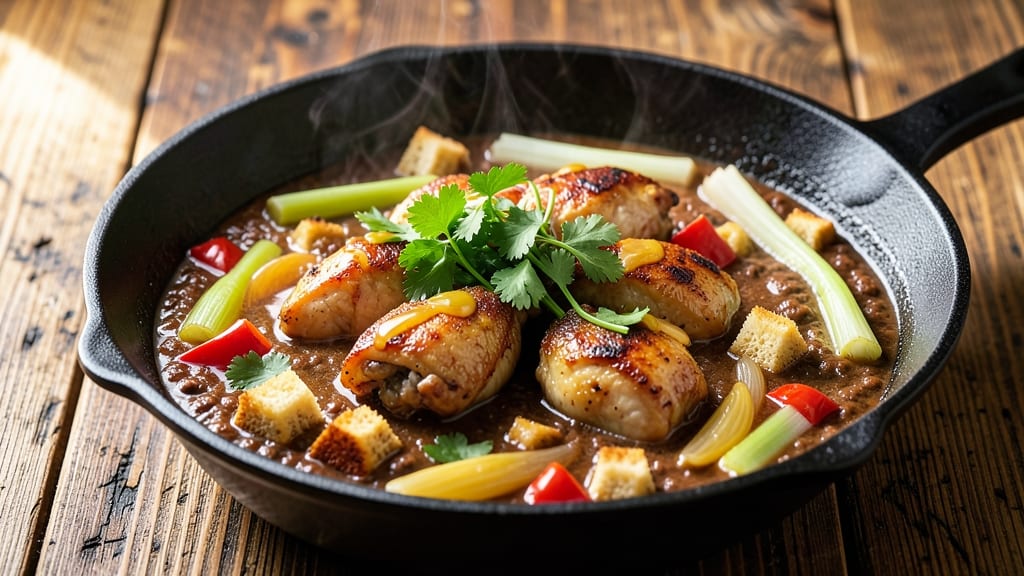
This traditional chicken gumbo recipe brings the soul of Louisiana kitchens to your pot, where dark roux magic transforms simple ingredients into a dish rich with history and flavor.
Growing up in small-town Georgia, I learned that great gumbo isn't just about the recipe—it's about the patience to let flavors develop, the care to balance heat with depth, and the pride of serving a meal that feeds both body and memory.
The heart of any authentic gumbo lies in the roux, where equal parts fat and flour cook until they reach a deep, mahogany brown—this isn't a quick step, but it's where the foundation of all those complex flavors begins.
I've spent years perfecting this technique, learning from Master Chef Chen in Charleston how to monitor the roux like a seasoned pitmaster watches smoke, ensuring it never burns but always delivers that unmistakable, nutty richness that defines true gumbo.
What you'll achieve is a pot of chicken gumbo that simmers with layers of texture—tender chicken, crisp vegetables, and a broth so flavorful it coats every spoonful.
The dark roux creates a sauce that's velvety yet substantial, carrying the smoky heat of cayenne, the earthiness of filé powder, and the bright acidity of tomatoes in perfect harmony. This is the kind of dish that improves with leftovers, as flavors meld even deeper overnight.
Serve it over steamed white rice, garnished with fresh parsley, and you've got a meal that honors tradition while satisfying modern cravings. The secret isn't just in the recipe—it's in the process, the patience, and the love poured into every step.
Let's begin building this flavor legacy, one pot at a time.
Ingredients for traditional chicken gumbo
Dark roux, rich broth, and layers of flavor—just these core ingredients transform into gumbo magic.
| Ingredient | Amount | Notes |
|---|---|---|
| Unsalted Butter 🧈 | 1 cup | Cold, cut into pats for roux |
| All-Purpose Flour 🌾 | 1 cup | White, for dark roux |
| Chicken Thighs 🍗 | 1 ½ lb | Bone-in, skin-on preferred |
| Celery Stalks 🧅 | 3 whole | Diced, classic holy trinity |
| Green Bell Pepper 🌶️ | 1 whole | Diced, medium size |
| Large Yellow Onion 🧅 | 1 whole | Diced, sweet variety |
| Garlic Cloves 🧄 | 4 cloves | Minced, fresh preferred |
| Diced Tomatoes 🍅 | 14 ½ oz | Canned, no salt added |
| Chicken Broth 💧 | 4 cups | Low-sodium preferred |
| Cayenne Pepper 🔥 | 1 tsp | Adjust for heat preference |
| Dried Thyme 🌿 | 1 tsp | Or 1 tbsp fresh |
| Filé Powder 🌾 | 2 tbsp | Essential for gumbo texture |
| Bay Leaves 🍃 | 2 whole | Dried, removed before serving |
| Salt 🧂 | 1 ½ tsp | Kosher or sea salt |
| Black Pepper 🌶️ | ½ tsp | Freshly ground preferred |
The roux is non-negotiable here. Unsalted butter matters—it has higher fat content than salted, which gives you that mahogany depth. Whole Foods or Trader Joe's sell the best quality in tubs, but any brand works if it's fresh. The flour should be white all-purpose—bread flour makes the roux too thick. For the chicken, bone-in, skin-on thighs hold up better to the long simmer than breasts. If you can't find them, use breasts but add 10 minutes to cooking time. The holy trinity (onion, celery, bell pepper) needs to be finely diced—small, even pieces cook faster and blend better into the gumbo.
No cayenne? Red pepper flakes at half the amount works in a pinch, but you'll lose that smoky kick. Fresh thyme is ideal but dried is fine at one-third the amount. For the tomatoes, no salt added is crucial—you control the seasoning. The broth? Low-sodium gives you more control over the final flavor. Filé powder is a must—it's what gives gumbo its signature thick, velvety texture. Penzeys sells the best quality, but you can find it at most Latin markets too. If you can't get filé, a cornstarch slurry thickens it, but it won't have that same earthy depth.
This gumbo tastes even better the next day—make extra. Store in the fridge for 4-5 days or freeze for up to 3 months. I like to portion it into individual containers so I can grab a lunch for days. The roux can be made ahead and refrigerated for up to 2 weeks—just bring it to room temp before adding to the pot. If you're serving a crowd, double the recipe. The flavors only get richer with more time.
Why You'll Love This Recipe
- One-Pot Magic: I swear by this—just brown the chicken thighs, toss in the butter and flour roux, and let the pot do the work. No extra dishes, no stress, and that rich, velvety base builds itself while you chop the celery and bell pepper.
- Deep Roux Secrets: Honestly, that golden-brown roux is where the soul lives. The butter and flour toast together until nutty and deep, then we deglaze with chicken stock—suddenly, every spoonful has this layered flavor, like a warm hug in a bowl. (Yes, even on a Tuesday night.)
- Leftovers That Win: This gumbo only gets better the next day. The flavors meld like old friends, and reheating it? Just a splash of water, a quick stir. I make a double batch because my kids beg for it at school lunches—no one turns down that hearty, smoky taste.
- Budget-Friendly Feast: Chicken thighs are forgiving and cheap, and celery/peppers stretch into a whole pot. Between us, this is my go-to when grocery money’s tight, but somehow it still feels like a celebration. Plus, the roux hides a multitude of sins—add whatever veggies you have.
Step-by-step instructions for traditional chicken gumbo
Here's the classic method that delivers that rich, smoky depth only a dark roux can provide.
Build the Dark Roux Until It Sings
In a heavy Dutch oven, melt the 1 cup unsalted butter over medium heat. As it foams, immediately whisk in the 1 cup all-purpose flour to form a paste. This is where the magic happens - you're making a dark roux, and it needs constant attention.
Stir vigorously with a wooden spoon, breaking up any lumps as the mixture thickens. The roux will go from pale to peanut butter color, then chocolate brown, and finally reach that deep mahogany stage that smells like heaven. This takes about 45-60 minutes - don't walk away. If it gets too dark too fast, reduce the heat slightly. You want it to smell nutty and rich, not burnt - that's your cue it's ready.
Sear the Chicken and Sauté the Holy Trinity
Push the roux to one side of the Dutch oven and add the 1.5 lb chicken thighs skin-side down. Let them sear for 5-6 minutes until golden brown, then flip and cook another 3-4 minutes. Remove the chicken and set aside. In the same pot, add the diced holy trinity - 3 celery stalks, 1 green bell pepper, and 1 large yellow onion.
Sauté for 8-10 minutes until the vegetables soften and the flavors meld together. Add the 4 minced garlic cloves and cook for another 30 seconds until fragrant. Here's the thing - don't rush this step. The vegetables should be tender but not mushy, and the garlic should smell amazing without burning.
Develop the Gumbo Base with Tomatoes and Broth
Return the chicken to the pot and stir in the 14.5 oz diced tomatoes with their juices. Let this simmer for 5 minutes until the tomatoes break down slightly. Pour in the 4 cups chicken broth, scraping up any browned bits from the bottom of the pot. Add the 2 whole bay leaves, 1 tsp dried thyme, 1 tsp cayenne pepper, 1.5 tsp salt, and 0.5 tsp black pepper.
Bring the mixture to a gentle boil, then reduce heat to low. Let it simmer uncovered for 30-40 minutes, stirring occasionally. You'll see the liquid reduce and the flavors deepen. The chicken should be tender enough to pull apart with a fork. If the gumbo gets too thick, add a little water - but don't worry if it's slightly thick at this stage.
Finish with Filé Powder for That Signature Texture
Once the chicken is fully cooked, remove it from the pot and set it aside. Strain the gumbo through a fine-mesh sieve into a clean pot to remove any impurities. Return the strained gumbo to the heat and bring it to a gentle simmer. Here's where we add the secret ingredient - the 2 tbsp filé powder.
Whisk the filé powder into the gumbo and let it simmer for 5-7 minutes. This will thicken the gumbo beautifully and give it that signature gumbo texture. Taste and adjust seasoning if needed - you might want to add a little more salt or cayenne to taste. The gumbo should be rich and flavorful, with a thick but not gluey consistency.
Serve with the Perfect Accompaniments
Return the chicken to the pot and let it heat through for 2-3 minutes. Serve the gumbo immediately in bowls, garnished with extra filé powder if desired. Traditional gumbo is served with white rice, often with hot sauce on the side. The rice should be fluffy and separate - not mushy. Each bite should deliver layers of flavor from the dark roux, tender chicken, and aromatic vegetables.
Don't skip the rice - it's essential for soaking up that delicious gumbo. And remember, gumbo tastes even better the next day as the flavors meld even more. This is the kind of dish that gets better with time, so make enough to enjoy leftovers!
Pro Tips For Making Traditional Chicken Gumbo
- Brown the Butter First: Skip the roux shortcut—melt that unsalted butter over medium heat until it turns golden brown, then whisk in the flour. I learned this the hard way: a pale roux tastes like nothing happened. The nutty depth from browning? That’s what makes gumbo sing.
- Cut Chicken Skin Thick: Leave those chicken thighs whole but slice the skin into wide strips before searing—it crisps faster and renders fat without sticking. I used to skin them first, and the meat always came out dry. Thick skin = better texture.
- Sweat, Don’t Burn, Veggies: Celery and bell pepper should glisten, not char. Cook them low and slow with a splash of water, lid on, until soft but still bright. I’ve ruined gumbo with overcooked veggies—blah, sad, and mushy. Patience here matters most.
- Deglaze with Stock, Not Water: After browning the chicken, scrape up those browned bits with hot chicken stock, not cold water. The flavor difference is night and day—this is where depth hides. I used water once; my gumbo tasted like sad soup.
Essential equipment for this recipe
Heavy Dutch Oven
A heavy Dutch oven is non-negotiable for gumbo—it distributes heat evenly and prevents scorching during the long roux development. I swear by my Le Creuset 5.5-quart Dutch oven (it’s my go-to for everything from gumbo to whole chickens), but any enameled cast iron with a tight-fitting lid will work.
If you’re on a budget, a Lodge 5.5-quart is a game-changer—it’s affordable, durable, and handles high heat like a champ. 🔥
Wooden Spoon
You’ll need a wooden spoon for stirring the roux—metal reacts with the butter and flour, causing lumps or burning. Look for a long-handled, sturdy spoon (I use a 12-inch maple spoon from Sur La Table).
The longer handle helps you avoid burns while monitoring that dark roux transformation. Pro tip: Soak it in hot, soapy water after use to prevent sticking.
Fine-Mesh Sieve
A fine-mesh sieve (like the OXO Good Grips) is essential for straining the gumbo before adding filé powder. This removes any impurities or stray bits of chicken skin that could make the final texture gritty.
I’ve seen people skip this step, but trust me—your gumbo will taste smoother and more refined. If you don’t have one, a cheesecloth works in a pinch, but it’s messier.
Instant-Read Thermometer
While not strictly necessary, an instant-read thermometer (I love the ThermoWorks ThermoPop) helps ensure your chicken reaches 165°F safely. Insert it into the thickest part of the thigh—no more guessing! This is especially useful if you’re serving kids or guests who prefer their chicken well-done.
For extra peace of mind, I also check the roux temperature: it should never exceed 350°F—any hotter, and it risks burning.
Filé Powder
Filé powder is the secret weapon that gives gumbo its signature thick, velvety texture. It’s made from ground sassafras leaves and is non-negotiable for authentic gumbo. Penzeys Spices sells the best quality, but you can also find it at Latin markets or online.
Store it in an airtight container away from light—it loses potency over time. If you can’t find filé, a cornstarch slurry (mix 1 tbsp cornstarch with 2 tbsp cold water) can thicken the gumbo, but it won’t replicate that earthy depth. 🌿
Optional: Smoker or Grill
For a next-level flavor, some chefs finish gumbo with a smoky touch by briefly smoking it over hickory or pecan wood in a smoker or on a grill.
If you’re feeling adventurous, transfer the gumbo to a cast-iron skillet and place it on a hot grill for 5-10 minutes to infuse that smoky aroma. I’ve done this with my Traeger Pellet Grill, and it’s a crowd-pleaser—especially for outdoor gatherings. Just be careful not to overcook the chicken!
Nutrition facts
Frequently asked questions
Why does my roux burn before reaching that deep mahogany color?
Roux burns when heat is too high or you walk away. Keep the heat at medium-low and stir constantly with a wooden spoon. The perfect roux should smell nutty and rich, not burnt. If it gets too dark too fast, reduce the heat immediately. Patience is key—this step takes 45-60 minutes for that signature color.
Can I substitute bone-in chicken thighs with breasts?
Yes, but breasts cook faster and can dry out. Use bone-in, skin-on breasts for better texture, or add 10 extra minutes to cooking time. For extra moisture, simmer the gumbo with the lid slightly ajar. The skin will render fat, adding richness to the broth.
What’s the best way to store leftover gumbo?
Let gumbo cool completely, then store in an airtight container in the fridge for 4-5 days or freeze for up to 3 months. The flavors deepen overnight! Reheat gently on the stove, stirring occasionally. Avoid microwaving—it can make the filé powder clump.
How do I adjust the heat level in this gumbo?
Start with the 1 tsp cayenne called for, then taste as you go. For milder heat, reduce to ½ tsp or swap for ½ tsp red pepper flakes. For extra spice, add ¼ tsp cayenne per serving at the table. Hot sauce on the side is also a great option.
Can I make gumbo in a slow cooker?
Brown the chicken and sauté the holy trinity in a skillet first, then transfer everything to the slow cooker. Cook on low for 6-8 hours or high for 3-4 hours. The roux will darken naturally, though it won’t reach the same depth as stovetop. Add filé powder at the end and thicken with a cornstarch slurry if needed.