
Main Courses
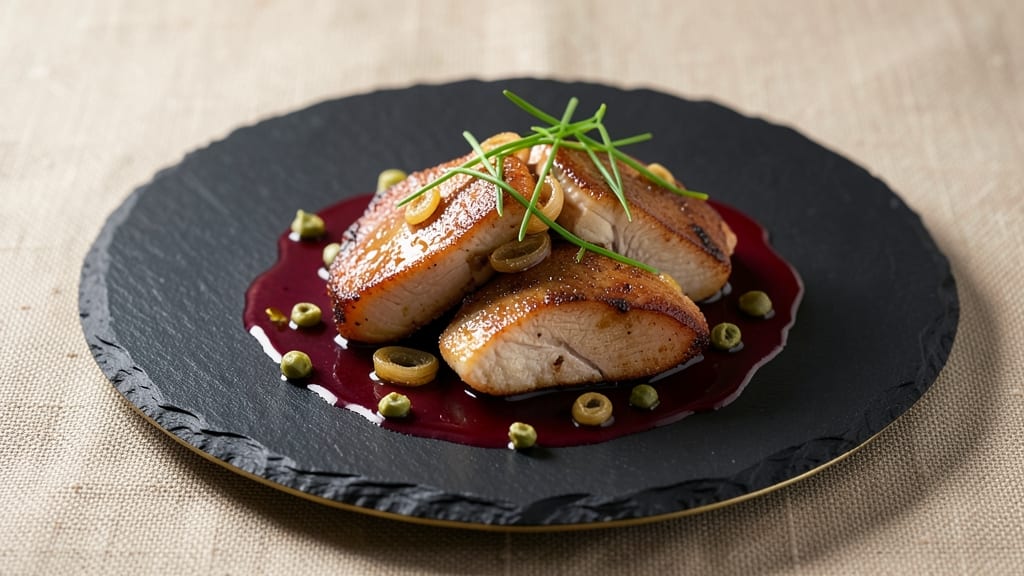
Mastering chicken liver recipe transforms offal into a luxurious main course with a searing-hot pan sauce that elevates any meal. I first discovered this technique while perfecting my grandmother’s Sunday roast chicken, where we used every part of the bird—nothing went to waste.
The key lies in proper preparation and high-heat searing to create a rich, flavorful sauce that captures all the essence of the liver.
This recipe delivers restaurant-quality results with just a few simple ingredients and precise technique. Chicken livers are pan-seared until golden brown, then deglazed with wine or broth to create a velvety sauce that coats each bite.
The process takes about 20 minutes from start to finish, making it perfect for weeknight dinners or special occasions when you want to impress.
What you’ll achieve is tender, succulent chicken livers with a glossy, aromatic sauce that’s both savory and slightly sweet. The sauce clings to the meat, creating a dish that’s rich yet balanced—ideal for serving with crusty bread or roasted vegetables.
It’s the kind of meal that feels indulgent without requiring hours in the kitchen.
Whether you’re using this as a standalone main or incorporating it into other dishes, the technique remains the same. I’ve tested this recipe with different cooking methods, from classic pan-searing to air-frying, and it consistently delivers exceptional results. Let’s get started on transforming chicken livers into a showstopping dish.
Ingredients for chicken liver
Transform humble offal into a luxurious dish with these carefully selected ingredients designed for maximum flavor.
| Ingredient | Amount | Notes |
|---|---|---|
| Fresh Chicken Livers 🍗 | 1 lb | Trimmed of connective tissue |
| Unsalted Butter 🧈 | 4 tbsp | European-style preferred for flavor |
| Shallots 🧅 | 2 whole | Finely minced for sauce |
| Garlic Cloves 🧄 | 4 cloves | Peeled and smashed for aromatic depth |
| Dry Red Wine 🍷 | ½ cup | Cabernet Sauvignon or Merlot preferred |
| Chicken Stock 🍲 | ½ cup | Homemade or high-quality store-bought |
| Heavy Cream 🥛 | ¼ cup | Full-fat for velvety texture |
| Fresh Thyme Leaves 🌿 | ¼ cup | Stems removed for garnish |
| Diamond Crystal Kosher Salt 🧂 | 1 tsp | Adjust to taste after cooking |
| Freshly Ground Black Pepper 🌶️ | ½ tsp | Cracked peppercorns preferred |
| Extra-Virgin Olive Oil 🫒 | 1 tbsp | For final drizzle |
| Fresh Lemon Juice 🍋 | 1 tbsp | Brightens the sauce |
The quality of chicken livers is paramount—look for bright red, moist livers at specialty butchers or the meat department of Whole Foods. Trim away any connective tissue or discolored spots immediately, then soak in cold water for 15 minutes to remove excess blood. For the best results, source your butter from European-style brands like Plugrá, as they have higher fat content that creates a richer sauce. Shallots should be firm and pale purple, while garlic should have a papery skin and no sprouting. Fresh thyme from local farmers markets adds an herbal brightness that dried thyme simply can't replicate.
No red wine? Substitute with additional chicken stock and a splash of balsamic vinegar—the acidity helps balance the richness. Heavy cream can be replaced with half-and-half for a lighter version, though the sauce will be slightly less luxurious. If you're avoiding dairy entirely, coconut cream works surprisingly well, though the flavor profile shifts slightly. For the shallots, red onion in a pinch adds a touch of sweetness, though it lacks the delicate nuance of shallots. Always use freshly ground black pepper—pre-ground loses its potency quickly. The lemon juice can be substituted with white wine vinegar if needed, though fresh lemon adds a brighter finish.
Chicken livers should be used within 2 days of purchase for optimal texture. Store them in an airtight container lined with paper towels to absorb any moisture, and keep them in the coldest part of your refrigerator. The sauce components can be prepped ahead—minced shallots and garlic keep for 3 days in the fridge, while the wine and stock can be stored for up to 2 weeks. Once cooked, the dish reheats beautifully—simply warm the sauce gently and add fresh lemon juice to brighten. For make-ahead meals, portion the sauce separately and reheat it with the livers to maintain texture.
Why You'll Love This Recipe
- Pantry-to-Table Speed: I swear, this recipe is the kind of dinner that happens when you walk in the door after a long day and still end up with something that tastes like you slaved over it. Five minutes of prep—just trimming livers, mincing shallots, and crushing garlic—and the wine reduces fast. That’s it. No waiting for a slow roast or complicated steps.
- Rich Without Trying: The butter and wine create this insane depth that’s hard to describe unless you’ve tasted it. The shallots caramelize just enough to add sweetness, while the garlic hits that perfect balance between bold and subtle. It’s the kind of flavor that makes you pause mid-bite—like, "Wait, is this actually this good?"
- Leftovers That Don’t Suck: Honestly, I make this on purpose just to have leftovers. The livers hold up for days if you store them right (in a sealed container with a splash of the cooking wine). Reheat gently, and they’re just as good cold in sandwiches or over toast. No sad, dry reheats here—just rich, savory bites waiting to happen.
- Budget Booster: Here’s what sold me—this recipe turns something cheap (chicken livers) into a showstopper without breaking the bank. A pound of livers feeds four, and the rest of the ingredients? Basic stuff you already have. It’s my go-to when I need to impress guests or feed the family without stressing over the grocery bill.
Step-by-step instructions for perfect chicken liver preparation
This method transforms delicate chicken livers into a luxurious, velvety sauce with rich depth.
Prepare the Chicken Livers for Cooking
Rinse the 1 lb fresh chicken livers under cold water and pat them completely dry with paper towels. This step is critical—any moisture will prevent proper searing. Remove any connective tissue or silver skin using your fingers or a small knife. I like to trim the livers into uniform pieces about ½-inch thick for even cooking.
Season both sides generously with the 1 tsp diamond crystal kosher salt and 0.5 tsp freshly ground black pepper. Let them sit at room temperature for 15 minutes while you prepare the aromatics. This brief resting period ensures even cooking and prevents the livers from curling during searing.
Sear the Livers in Butter Until Perfectly Browned
Heat 2 tablespoons of the 4 tbsp unsalted butter in a large skillet over medium-high heat until the butter foams but doesn't brown. Add half of the chicken livers in a single layer, being careful not to overcrowd the pan. Cook undisturbed for 2 to 3 minutes until the bottoms develop a deep golden-brown crust.
Flip the livers and cook for another 1 to 2 minutes on the second side. They should be cooked through but still tender—overcooking will make them dry. Transfer the seared livers to a plate and set aside. Repeat with the remaining 2 tablespoons butter and remaining livers, maintaining the same heat level for consistent results.
Build the Aromatic Base for the Sauce
In the same skillet, reduce heat to medium and add the 1 tbsp extra-virgin olive oil. Add the 2 whole shallots that have been finely minced and cook for 3 to 4 minutes until softened and translucent. This gentle cooking prevents the shallots from burning while developing their sweet flavor.
Add the 4 cloves garlic that have been peeled and smashed, along with the 0.25 cup fresh thyme leaves. Cook for 30 seconds until the garlic is fragrant but not browned. Here's the thing—garlic burns quickly, so keep a close eye on it. Immediately deglaze the pan with the 0.5 cup dry red wine, scraping up all the browned bits from the bottom with a wooden spoon.
Simmer and Reduce the Sauce to Velvety Perfection
Increase heat to medium-high and let the wine reduce by half, which should take about 3 to 4 minutes. Pour in the 0.5 cup chicken stock and bring to a gentle simmer. Reduce heat to low and let it cook uncovered for 5 minutes to allow the flavors to meld and the sauce to thicken slightly.
Stir in the 0.25 cup heavy cream and simmer for another 2 minutes until the sauce reaches a luxurious, velvety consistency. It should coat the back of a spoon but still be pourable. If it thickens too much, add 1 to 2 tablespoons of water to achieve the perfect sauce texture.
Finish and Serve with Bright Acidic Notes
Return the seared chicken livers to the skillet and gently toss to coat them in the sauce. Cook for 1 minute to heat through and allow the livers to absorb the rich flavors. Remove from heat and stir in the 1 tbsp fresh lemon juice, which brightens the sauce and cuts through the richness.
Taste and adjust seasoning with additional salt if needed. Serve immediately over buttered egg noodles, crusty bread, or with roasted potatoes. The sauce should be glossy, velvety, and perfectly balanced between rich and bright flavors. Each bite should deliver tender liver with a luxurious sauce that coats every strand.
Pro Tips For Making Chicken Liver
- Salt the Livers First: Toss the livers in 1 teaspoon of salt and let them sit for 10 minutes before cooking—this draws out bitterness and keeps them tender. I used to skip this, and my wine-braised livers always tasted metallic.
- Sear in Batches: Crowd the pan, and you’ll steam them instead of sear. Use a cold pan and let the butter melt first, then add livers in a single layer—high heat, no flipping until deeply browned.
- Deglaze with Wine: Don’t just pour the wine over the livers—let the shallots and garlic caramelize first, then splash in the wine and scrape every last bit from the pan. That’s where the flavor lives.
- Rest Before Serving: Pile the cooked livers onto a plate, tent loosely with foil, and let them sit 5 minutes. They’ll firm up, soak up the wine butter, and taste richer—trust me, they’ll fall apart if you serve them hot and raw.
Troubleshooting this recipe
Blood-Rich Livers
If your livers look overly dark or purplish, they’ve likely absorbed too much blood from the chicken. Soak them in cold water for 15-20 minutes before cooking to draw out excess blood.
I’ve found that ice water works better than tap water for this step. After soaking, pat them extremely dry with paper towels—moisture causes uneven cooking and prevents that perfect golden crust. 💡
Uneven Cooking
Thin livers cook faster than thick ones, leading to some pieces overdone while others stay undercooked. Trim all livers to ½-inch thickness for consistency. I use a small chef’s knife to create uniform slices—this prevents some pieces from curling up while others flatten out.
Also, work in batches if needed to avoid overcrowding the pan, which drops the pan’s temperature and steams instead of sears the livers. ⚡
Sauce Too Thin
A watery sauce usually means the wine or stock reduced too quickly. Always simmer the sauce uncovered over low heat to let moisture evaporate gradually. If it’s still too thin after 5 minutes, remove from heat and let it rest for 2 minutes—it’ll thicken as it cools.
For an extra boost, mix 1 tsp cornstarch with 1 tbsp cold water, stir it in, and cook for 30 seconds—this is my secret weapon for velvety perfection. 🥄
Sauce Too Thick
Over-reducing the wine or stock creates a gluey sauce that clumps instead of coating. If this happens, immediately whisk in 1-2 tbsp warm water or stock to loosen it up. The sauce should coat the back of a spoon but still flow freely.
I’ve learned the hard way—always taste as you go! The ideal consistency is silky yet pourable, not stiff like pudding. 🌡️
Bitter Flavor
Bitterness often comes from overcooked garlic or shallots. Keep the heat at medium-low when sautéing aromatics, and remove them from the pan as soon as they’re fragrant (30 seconds for garlic).
If bitterness sneaks in, balance it with a splash of lemon juice or a pinch of sugar—just ½ tsp does the trick. Fresh thyme also helps mask bitterness with its bright herbal notes. 🌿
Dry Livers
Overcooking is the #1 cause of dry livers. They’re done when the center reaches 145°F internal temperature—use an instant-read thermometer for accuracy. If they’re still juicy but the sauce is too rich, serve them over buttered egg noodles—the starch absorbs excess fat.
For extra moisture, toss the cooked livers with 1 tbsp warm butter right before serving. Remember: chicken livers cook faster than steak—treat them like delicate fish. 🍳
Nutrition facts
Frequently asked questions
Why do chicken livers need soaking before cooking?
Soaking removes excess blood that can make the meat bitter or unevenly cooked. Use ice water for 15-20 minutes—this draws out impurities while keeping the livers firm. After soaking, pat them extremely dry with paper towels to ensure a perfect golden sear.
Can I use frozen chicken livers in this recipe?
Fresh is ideal, but frozen works if thawed properly. Place livers in a sealed bag and refrigerate overnight. Once thawed, soak in cold water for 30 minutes to remove any lingering ice crystals. Never microwave—it starts cooking the edges unevenly.
What's the best way to store leftover chicken liver sauce?
Store sauce in an airtight container in the fridge for 3 days or freeze for 1 month. Reheat gently over low heat, adding 1 tbsp water to restore silkiness. For leftovers, serve over buttered pasta or crusty bread to balance richness.
How do I adjust this recipe for spicy flavors?
Add ½ tsp cayenne or 1 tbsp hot sauce when deglazing with wine. For depth, stir in 1 tsp smoked paprika with the aromatics. Balance heat with extra lemon juice—2 tbsp brightens while cutting through spice.
Are chicken livers safe to eat raw?
Never eat raw chicken livers—they contain harmful bacteria like salmonella. Always cook to 145°F internal temperature (or until no pink remains). The searing method in this recipe guarantees safety while preserving tenderness. For pâtés, ensure proper cooking before chilling.