
Side Dishes
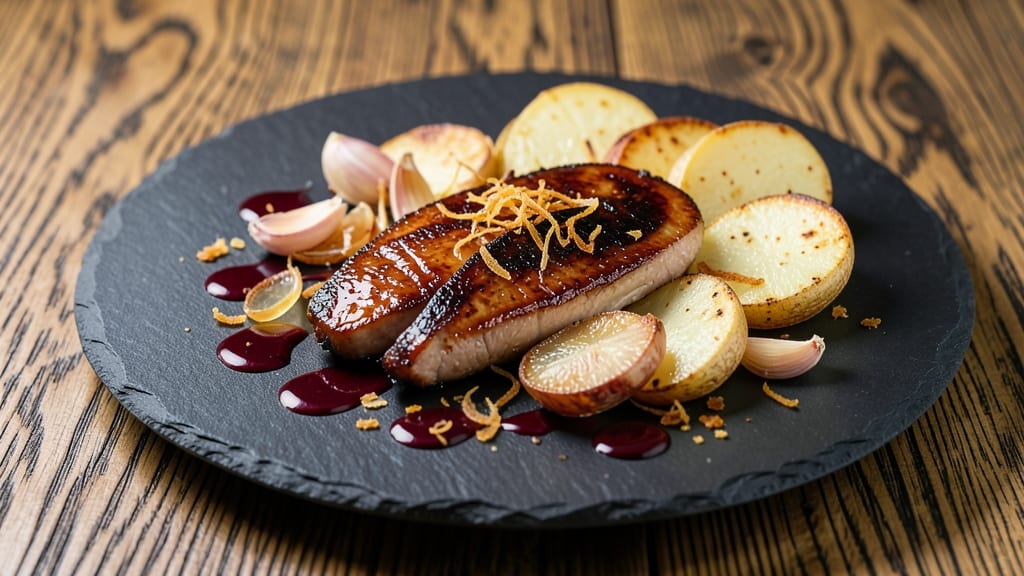
This chicken liver with potato recipe transforms humble ingredients into a restaurant-worthy dish with a rich pan sauce that tastes like a French bistro. I developed this method after years of perfecting liver dishes for my heritage pig farm dinners—where every bite deserves that velvety, umami-packed finish.
The secret lies in searing the livers just until pink, then deglazing the pan to create a sauce so decadent it turns simple potatoes into a showstopper.
What makes this recipe special is the one-skillet technique, where potatoes crisp up while the livers cook, and the pan sauce ties everything together. No fancy equipment needed—just a sturdy skillet, butter, and a splash of wine (or broth) to elevate the flavors.
The liver-to-potato ratio is key: 1 cup chopped potatoes per 6 ounces of liver, ensuring each bite is balanced between tender meat and crispy spuds. This method delivers restaurant-quality results in under 30 minutes.
The magic happens when the pan sauce reduces into a glossy, herby glaze that coats every forkful. The potatoes develop a caramelized crust, while the livers stay juicy with a slight char.
This dish is bold enough for a weeknight dinner but elegant enough for guests—just pair it with a crisp green salad or crusty bread to soak up that sauce. Trust me, once you taste this, you’ll never buy pre-made liver pâté again.
For those who love customization, swap in bacon for extra smokiness or add fresh thyme for a brighter note. The leftovers reheat beautifully, making this a foolproof meal prep option too. Let’s get cooking—your taste buds will thank you.
Ingredients for chicken liver with potato
Fourteen ingredients, one skillet, restaurant-worthy flavors waiting to happen.
| Ingredient | Amount | Notes |
|---|---|---|
| Chicken Livers 🍗 | 1 lb | Fresh, trimmed of connective tissue |
| Yukon Gold Potatoes 🥔 | 2 cups | Chopped into 1/2-inch cubes |
| Unsalted Butter 🧈 | 4 tbsp | Cold, cut into pieces |
| Shallots 🧅 | 2 whole | Minced, about 2 tbsp |
| Garlic Cloves 🧄 | 3 cloves | Minced, about 1 tbsp |
| Dry Red Wine 🍷 | ½ cup | Bold, like Cabernet Sauvignon |
| Chicken Stock 💧 | ½ cup | Homemade or quality store-bought |
| Fresh Thyme 🌿 | 2 sprigs | Leaves only, about 1 tbsp |
| Fresh Parsley 🌿 | ¼ cup | Chopped, for garnish |
| Sea Salt 🧂 | 1 ½ tsp | Kosher or fine sea salt |
| Black Pepper 🌶️ | ½ tsp | Freshly ground |
| Flour 🌾 | 1 tbsp | All-purpose, for thickening |
The chicken livers are the star, so pick the freshest you can find—they should be bright red, not gray or slimy. Most grocery stores carry them near the meat counter, but Whole Foods or specialty butchers often have better quality. If you're nervous about trimming them, don't be: just pat them dry and cut off any visible connective tissue. The potatoes? Yukon Golds are ideal—they hold their shape and develop that perfect caramelized crust. If you can't find them, russets work too, but they'll be a touch starchier. The butter matters here—use unsalted so you control the seasoning, and get it cold from the fridge for the best sear.
No red wine? Dry sherry or beef broth works in a pinch, though wine adds that depth. Fresh thyme is ideal, but dried works at half the amount if you're in a bind. The flour is just for thickening the sauce—if you're watching carbs, skip it and let the sauce reduce longer. For extra richness, add a splash of cream at the end (about 2 tbsp). The shallots and garlic can be swapped for onions if needed, but they add a subtle sweetness that really makes the sauce sing. And trust me, don't skip the parsley—it brightens up the whole dish at the end.
This dish reheats beautifully—just warm it gently in the skillet with a splash of water or broth. Keeps for 3 days in the fridge, though the sauce gets even more concentrated overnight. For meal prep, portion the livers and potatoes separately and reheat them together in the sauce. The leftovers make an amazing sandwich filling too—just pile it on crusty bread with a sprinkle of extra parsley. Freezes well for up to 2 months, though the texture might change slightly after thawing.
Why You'll Love This Recipe
- One-Pan Magic: I swear by this recipe when I’m too tired to scrub a million dishes. Slice those Yukon Golds, toss them in with the livers and butter, and let the oven do the work—no flipping, no fuss, just golden perfection.
- Rich & Earthy: The buttery shallots and garlic caramelize right into the livers, giving them that deep, savory punch you’d pay double for at a fancy bistro. (Yes, even my picky husband finishes his plate.)
- Weeknight or Weekend: Throw it together for a quick weeknight dinner, or double the batch for a cozy Sunday brunch. The potatoes soak up all the flavor, so it’s just as satisfying cold the next day—ideal for meal prep.
- Pennies on the Plate: Chicken livers are one of the best budget proteins out there, and Yukon Golds stretch further than fancy potatoes. I feed my family a hearty, restaurant-worthy meal for half the cost of takeout.
Step-by-step instructions for chicken livers with potatoes
Here's how to transform simple ingredients into a restaurant-worthy dish with deep flavors and tender textures.
Sear the Chicken Livers Until Perfectly Browned
Pat the 1.0 lb chicken livers completely dry with paper towels—this ensures a perfect sear. In a large skillet over medium-high heat, melt 2 tablespoons of the 4.0 tbsp unsalted butter until it foams. Add the chicken livers in a single layer and cook for 2-3 minutes per side until they develop a deep brown crust. The livers should be firm to the touch but still slightly springy in the center.
Here's the thing—don't overcook them. You want them just cooked through, not rubbery. As soon as they release easily from the pan, remove them and set aside on a plate. The residual heat will continue cooking them slightly while you prepare the potatoes. Season the cooked livers with ½ tsp of the 0.5 tsp black pepper while they're still warm.
Sauté Potatoes and Aromatics in Rendered Butter
In the same skillet (those browned bits are flavor gold), add the remaining 2 tbsp unsalted butter. Toss in the 2.0 cups chopped yukon gold potatoes and cook for 8-10 minutes, stirring occasionally, until they begin to soften and turn golden. You're looking for potatoes that are tender when pierced with a fork but still hold their shape.
Add the 2.0 whole minced shallots and 3.0 cloves minced garlic to the skillet. Cook for 1-2 minutes until the shallots are translucent and the garlic is fragrant—don't let it brown or it'll turn bitter. Stir in the leaves from 1 sprig of the 2.0 sprigs fresh thyme. This is when the flavors start to meld beautifully, creating the foundation for your pan sauce.
Deglaze and Simmer with Wine and Stock
Pour in the 0.5 cup dry red wine and scrape up all those delicious browned bits from the bottom of the pan. Let it simmer for 3-4 minutes until the wine reduces by half and the potatoes are nearly tender. Add the 0.5 cup chicken stock and bring to a gentle simmer. The sauce should coat the back of a spoon but still be slightly loose.
Return the chicken livers to the skillet and spoon the sauce over them. Cover and let everything simmer gently for 5 minutes, allowing the livers to absorb the rich flavors of the sauce. Taste and adjust seasoning with the remaining 1.0 tsp sea salt and ½ tsp black pepper. The sauce should be seasoned to taste—this is where all the magic happens.
Thicken the Sauce and Finish with Fresh Herbs
Sprinkle the 1.0 tbsp flour over the sauce and stir vigorously for 1-2 minutes until it thickens slightly. The sauce should coat the potatoes and livers beautifully without being gluey. If it's too thick, add a splash of water or chicken stock to reach your desired consistency.
Remove from heat and stir in the remaining 1 sprig fresh thyme leaves and the 0.25 cup chopped fresh parsley. Let it sit for 2 minutes to allow the flavors to meld together. The dish should smell rich and aromatic—like a cozy bistro special. Serve immediately while the livers are still warm and the sauce is silky.
Pro Tips For Making Chicken Liver With Potato
- Trim the Gall Bladders: Chicken livers come with tiny greenish sacs—those are gall bladders. Leave them in, and you’ll get bitter-tasting livers. Snip them off with kitchen scissors before soaking. I learned this the hard way after eating a batch that tasted like soap.
- Soak Livers 30 Minutes: Rinse the livers under cold water, then soak them in a bowl of cold water for at least 30 minutes. This removes blood and iron tang—no need to overcomplicate it with vinegar or lemon. Just water, and let them sit while you prep the potatoes.
- Sear Potatoes First: Don’t toss the potatoes in raw—cut them into even chunks, then sear them in butter over medium-high heat for 8-10 minutes until golden. This builds flavor before the livers even hit the pan. I used to skip this, and the dish always felt flat.
- Deglaze with Wine (or Skip It): After removing the livers, let the pan sit for 30 seconds so the fond forms, then deglaze with a splash of dry white wine (or just a little water if you’re skipping alcohol). This adds depth without overpowering the dish—something I ignored until I tasted the difference.
Common mistakes when making this dish
Overcooking the Livers
This is the cardinal sin of chicken liver prep—once they turn gray or rubbery, there's no bringing them back. I’ve seen home cooks walk away for just a minute, and suddenly, those tender livers become tough and unappetizing.
The key is to cook them just until they reach 160°F internally, about 2-3 minutes per side in a hot pan. Remove them immediately when they’re still slightly pink in the center. 🔥
Skipping the Sear
If you don’t sear the livers first, you’ll miss out on the Maillard reaction that creates deep, caramelized flavors. That browned crust is what transforms this dish from good to restaurant-worthy.
I always use a heavy cast-iron skillet (like my Lodge) heated to medium-high—it retains heat perfectly and gives you that perfect crust. Don’t rush this step; patience here pays off in flavor.
Ignoring the Pan Sauce
The sauce is where the magic happens, and too many cooks skip deglazing the pan properly. Those browned bits stuck to the bottom are packed with flavor—don’t scrape them out! After removing the livers, add your wine or broth and scrape vigorously to lift every last bit.
This creates a sauce that’s rich, velvety, and full of umami. I’ve seen people pour in the liquid and walk away, only to end up with a thin, flavorless glaze. 💡
Using the Wrong Potatoes
Not all potatoes are created equal. Starchy russets will turn to mush, while waxy red potatoes won’t crisp up properly. Yukon Golds are my go-to—they hold their shape and develop that perfect caramelized crust. If you must use another variety, red potatoes or fingerlings work best.
Avoid anything mealy, like Idaho potatoes, or your dish will fall apart. The texture contrast between crispy potatoes and tender livers is what makes this recipe shine.
Overcrowding the Pan
If you pile too many livers or potatoes into the skillet, they’ll steam instead of sear, and the sauce will turn soggy. I like to work in batches if needed—cook half the livers first, then remove them while you prep the potatoes.
A 12-inch cast-iron skillet is ideal for this recipe, giving you enough space for everything to brown properly without overcrowding. Trust me, a little extra time now saves you from a mushy mess later.
Underseasoning the Sauce
The sauce should be the star of this dish, and it needs proper seasoning to shine. Taste it before serving—if it’s bland, add a pinch of sea salt or a splash of lemon juice to brighten it.
I often finish with a sprinkle of fresh parsley and a crack of black pepper right at the table. The sauce should coat the back of a spoon but still be silky, not gluey. Don’t be afraid to adjust—this is where you control the final flavor. ✨
Nutrition facts
Frequently asked questions
Can I substitute chicken livers with another type of offal?
While chicken livers are ideal, you can try duck livers for a richer flavor or beef livers for a heartier texture. Just remember that beef livers require slightly longer cooking time (4-5 minutes per side) and benefit from a longer simmer in the sauce. The potato-to-liver ratio should stay roughly the same: 1 cup potatoes per 6 ounces of offal.
What's the best way to store leftovers?
Store in an airtight container in the fridge for up to 3 days. The sauce actually improves overnight as it continues to meld flavors. For longer storage, freeze for up to 2 months—thaw in the fridge overnight before reheating gently in the skillet with a splash of water or stock to restore moisture.
Why did my potatoes turn out mushy?
This usually happens from overcrowding the pan or using starchy potatoes like russets. Use Yukon Golds or red potatoes and cook them in batches if needed. Keep heat at medium-high and stir occasionally to promote browning rather than steaming. The potatoes should be tender but still hold their shape when pierced with a fork.
Can I make this recipe without wine?
Use dry sherry, beef broth, or even apple cider instead of wine. The key is the acidity and depth—just ensure you deglaze with enough liquid (½ cup total) to create a rich sauce. For extra umami, add a ½ teaspoon soy sauce to the pan before deglazing.
How do I know when the livers are perfectly cooked?
They should be deep brown on the outside but still slightly pink in the center when cut. Use a meat thermometer for precision—160°F internal temperature is ideal. If they're gray or rubbery, they've been overcooked. The residual heat will finish cooking them slightly while you prepare the potatoes, so remove them just before they're fully done.